




River
5-10 years
Not Regulated
Exchange
Questionable Regulatory License
Visit Website

Basic Information

Country/Region
United States
Exchange AbbreviationRiver
Exchange TypeCentralized Exchange
Operating Period5-10 years
Websitehttps://river.com/
Trade TypeFiat Trading

Score

0.00/10
2026-10-13 Rating

RiskNotice

2 risk alerts
High Risk 2

No Regulatory License

Be aware of the risks!

Exchange Overview

Exchange Overview

What is River?

River is a Bitcoin investment and banking service platform for US users. Users can buy Bitcoin in minutes, with zero fees for recurring purchases.

Platform Features

The platform offers 3.30% Bitcoin interest on cash accounts, zero-fee recurring investments, the ability to buy Bitcoin directly from payroll, and emphasizes full-reserve custody, serving as a replacement for everyday checking and savings accounts.

Business Region

InfluenceB
0
2
4
6
8
10

News

16

Bitcoin and Russia–Ukraine Energy Ceasefire Claims: What Was Confirmed on Oct. 11

Bitcoin rose during Sunday, October 11 reporting after President Donald Trump claimed an immediate Russia–Ukraine “energy ceasefire” and Kyiv offered conditional support for a reciprocal halt to attacks. The political announcement and the markets reaction were real. Whether an enforceable bilateral ceasefire had actually begun was not confirmed.  President Donald Trump posted that both sides had agreed to stop attacks on energy infrastructure. Ukrainian President Volodymyr Zelenskyy said Ukraine was ready to refrain from striking Russian energy facilities if Russia made the same commitment, but requested details from Washington and continued to report Russian attacks. Reuters said Moscow had not confirmed the arrangement at the time of its coverage.  The key status is therefore claimed agreement / Ukrainian conditional support / no confirmed Russian acceptance, not “the war has ended” and not “peace deal finalized.”Why a ceasefire headline can move cryptocurrency  Energy infrastructure has been a significant channel through which the conflict affects oil and fuel supply expectations. Investors can quickly translate news of possible de-escalation into assumptions about energy prices, inflation pressure and interest-rate expectations. Crypto trades during the weekend even when U.S. equities and much of the conventional commodity market are closed.  CoinDesk reported that bitcoin was initially little changed after the

Bitcoin and Russia–Ukraine Energy Ceasefire Claims: What Was Confirmed on Oct. 11
17 hours agoIndustry Research

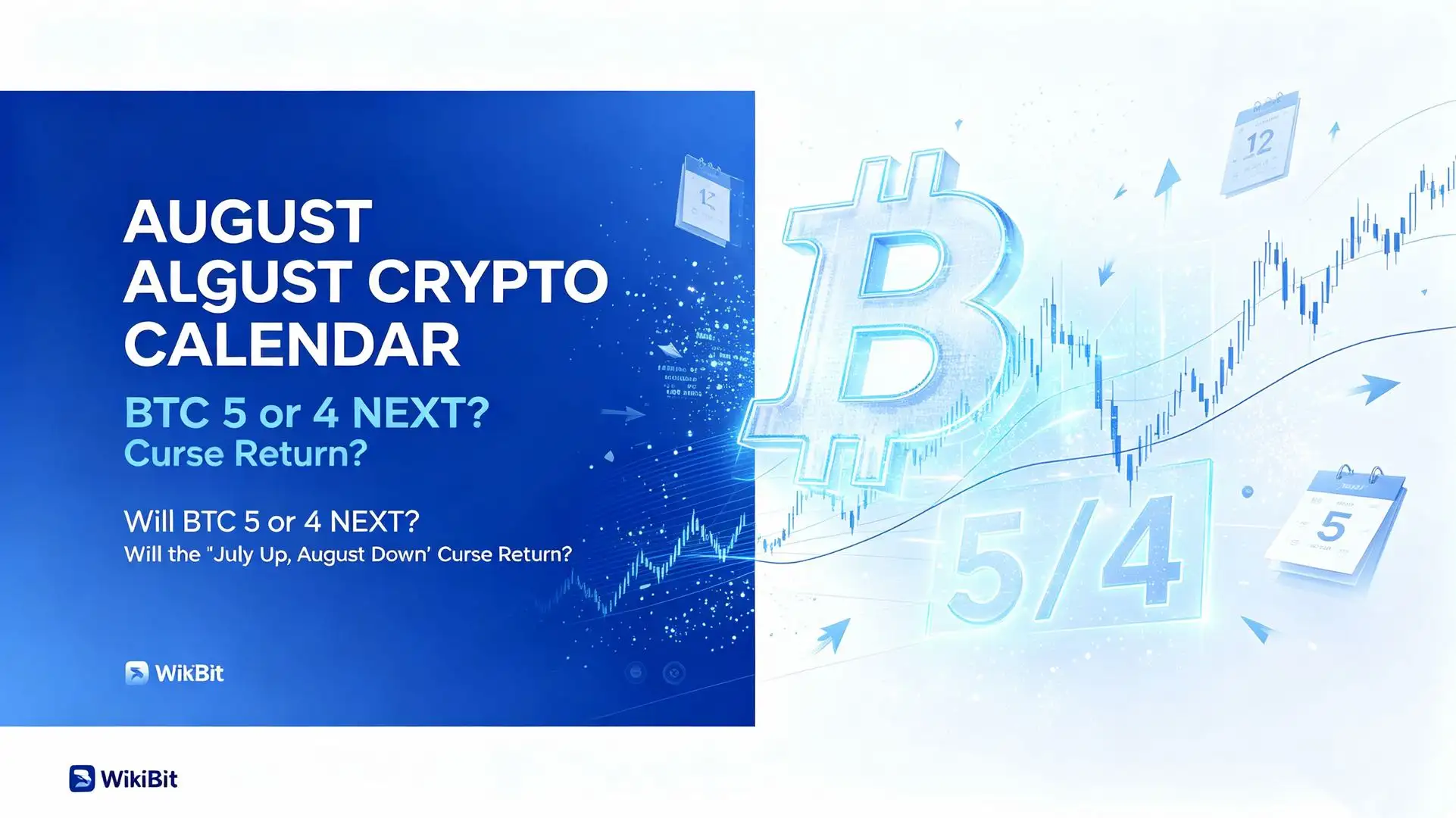
August Crypto Market Calendar: Will the “July Up, August Down” Curse Return? Will BTC Start with “5”

Bitcoin closed July with an approximate 7.26% gain (according to Binance data), injecting a much-needed boost of confidence into a market that had remained sluggish for an extended period. However, as the calendar turns to August, a long-standing “curse” in the crypto market begins to resurface — August has historically been one of Bitcoins worst-performing months. As shown below:  Summary:August has historically been one of Bitcoins weakest-performing months. Over the past 13 years, BTC recorded 5 monthly gains and 8 monthly declines in August. The median return was -6.99%, making August the only month with a negative median return among all calendar months.  Looking back at historical data, July has long been regarded as one of Bitcoin‘s stronger-performing months, often featuring a pattern of an early-month pullback followed by a rapid recovery. However, for investors, the key question is: after July’s rally, will August become a month of profit-taking and market correction?  A market saying that has circulated for years is: “July pumps, August dumps.”  Will this seasonal pattern repeat itself in 2026? Can Bitcoin continue pushing toward new highs, or will it face another round of deep correction?  The more direct question is: By the end of August, will Bitcoin hold above the $50,000

August Crypto Market Calendar: Will the “July Up, August Down” Curse Return? Will BTC Start with “5”
08-04Deep Dive

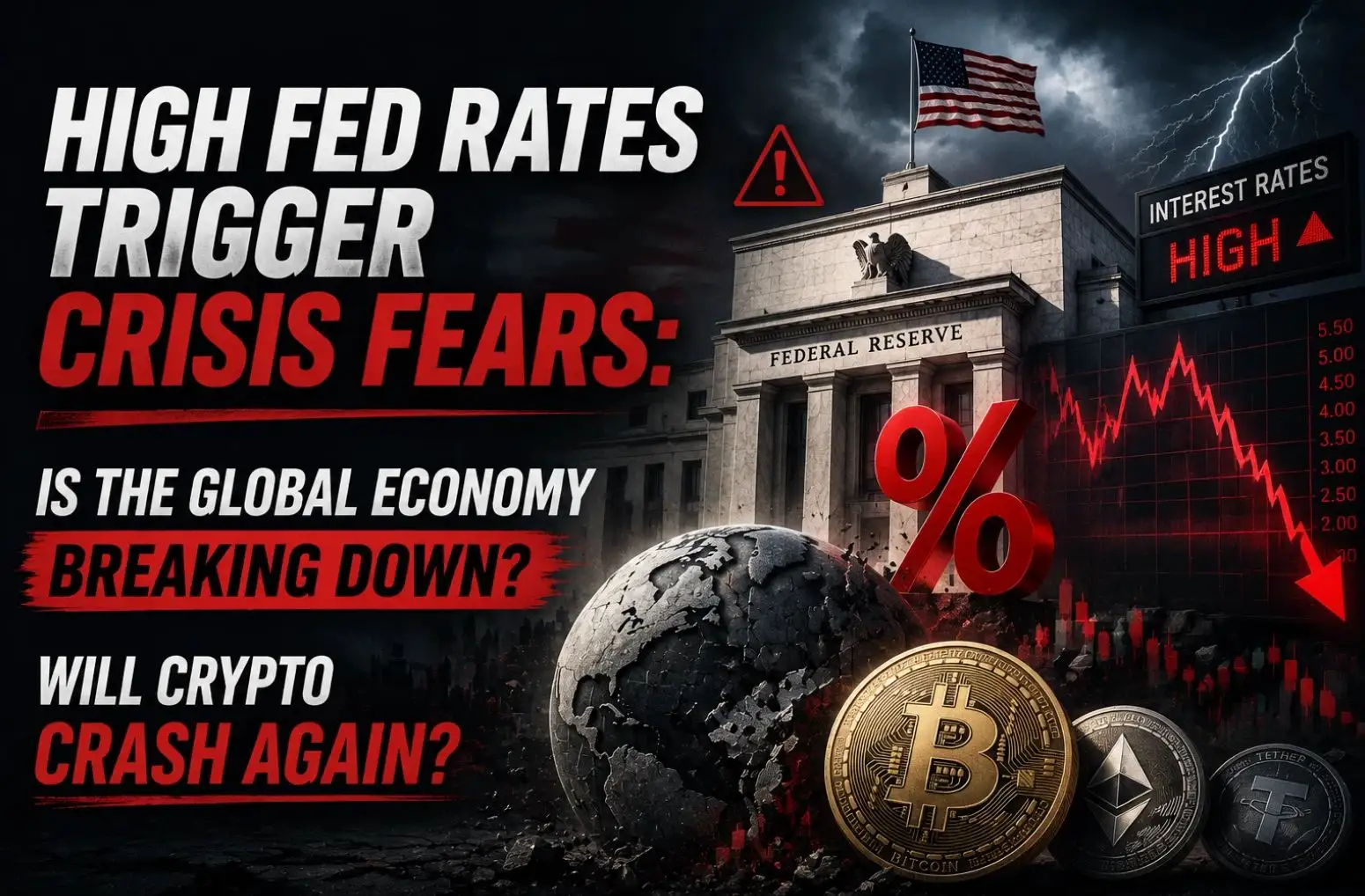
High Fed Rates Trigger Crisis Fears: Is the Global Economy Breaking Down? Will Crypto Crash Again?

At 2:00 a.m. Beijing time on July 30, the Federal Reserves interest rate decision was announced: the Fed kept rates unchanged at 3.50%–3.75%, marking the fifth consecutive meeting this year in which it has held rates steady.  Starting from July 2023, when the Federal Reserve completed 11 rate hikes and raised interest rates from near-zero levels to 5.25%–5.50%, the Fed has maintained a high-rate environment for 36 months. Historically, during the previous tightening cycle (2004–2006), the Feds peak interest rate level lasted only around 24 months before the 2008 financial crisis erupted.  Todays interest rate curve shows striking similarities to the period before the 2008 crisis, as illustrated in the chart below:  Federal Reserve Interest Rates Since the 21st Century (Source: Macromicro)  Among the 15 major financial crises over the past century, 12 occurred within one year after the Federal Reserve entered a rate-hiking cycle. The current high-interest-rate environment has already lasted 36 months, far exceeding the historical 18-month critical cycle, meaning delayed impacts have been accumulating for a long time.  Now, as the “canary in the coal mine” of global financial markets, South Koreas stock market has triggered full-market circuit breakers nine times this year. In July alone, it plunged approximately 33%, marking the

High Fed Rates Trigger Crisis Fears: Is the Global Economy Breaking Down? Will Crypto Crash Again?
07-31Deep Dive