

FSARegulated
Japan Crypto Asset Exchange License (CEX)
- License No.
- 関東財務局長 第00004号
- Licensed Entity
- ビットバンク株式会社
- Regulatory Jurisdiction
- Japan
- Effective Date
- 2017-09-29



Japan Crypto Asset Exchange License (CEX)


The interface of bitbank is quite cluttered and difficult to use, especially for newcomers. The transaction fees are also relatively high compared to other exchanges.

Bitbank is a cryptocurrency exchange platform based in Japan. It provides a platform for users to buy, sell, and trade various cryptocurrencies, including popular ones like Bitcoin and Ethereum. Like other cryptocurrency exchanges, Bitbank facilitates the trading of digital assets and often offers additional services such as wallet solutions and market analysis tools. It's important to note that the cryptocurrency landscape evolves, so it's advisable to check the latest information and user reviews if you are considering using or investing through a particular exchange like Bitbank.

bitbank is reliable to used, but the exchange still need improvement.....
Exchanges with 24H trading volume exceeding 71.61%
A digital trading platform providing order matching services, mainly offering liquidity exchange between crypto assets and fiat currency or between different crypto assets.
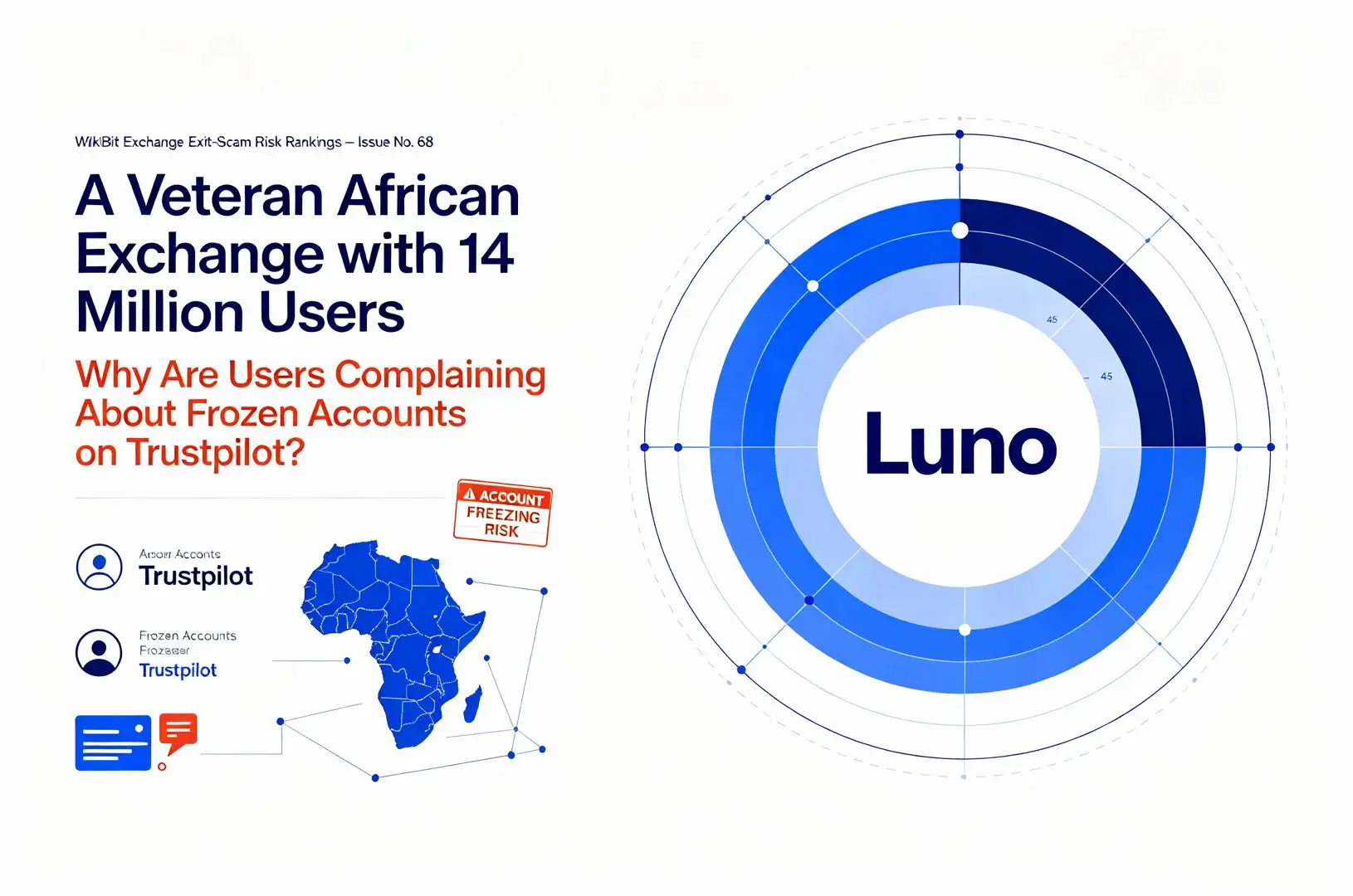
Introduction: A Major African Crypto Gateway with Extensive Licensing, Yet Withdrawal Problems Persist In our previous 67 issues, we examined a wide range of cryptocurrency exchanges, from HashKey to Bitbank. For Issue No. 68, were turning our attention to a particularly representative player in emerging-market regulatory compliance: Luno. When it comes to regulatory coverage, Luno is one of the more widely licensed platforms in our series. Founded in South Africa in 2013 and now headquartered in London, Luno is part of Digital Currency Group (DCG), the parent company of Grayscale. It has more than 14 million users worldwide and serves as one of the most important fiat-to-crypto gateways in Africa, Southeast Asia, and the UK. Its regulatory credentials include: UK Financial Conduct Authority (FCA) cryptoasset registration. South Africas Financial Sector Conduct Authority (FSCA) Crypto Asset Service Provider (CASP) authorization. Recognized Market Operator (RMO) status from Malaysias Securities Commission. Digital Financial Asset Trader licensing from Indonesias Financial Services Authority (OJK). Registration with Australias AUSTRAC. Luno also publishes monthly Proof of Reserves (PoR) attestations conducted by independent auditing firm Moore Johannesburg. Using Merkle Tree technology, the platform allows users to independently verify whether their balances are included in the relevant monthly snapshot. This makes Luno one of the few exchanges in
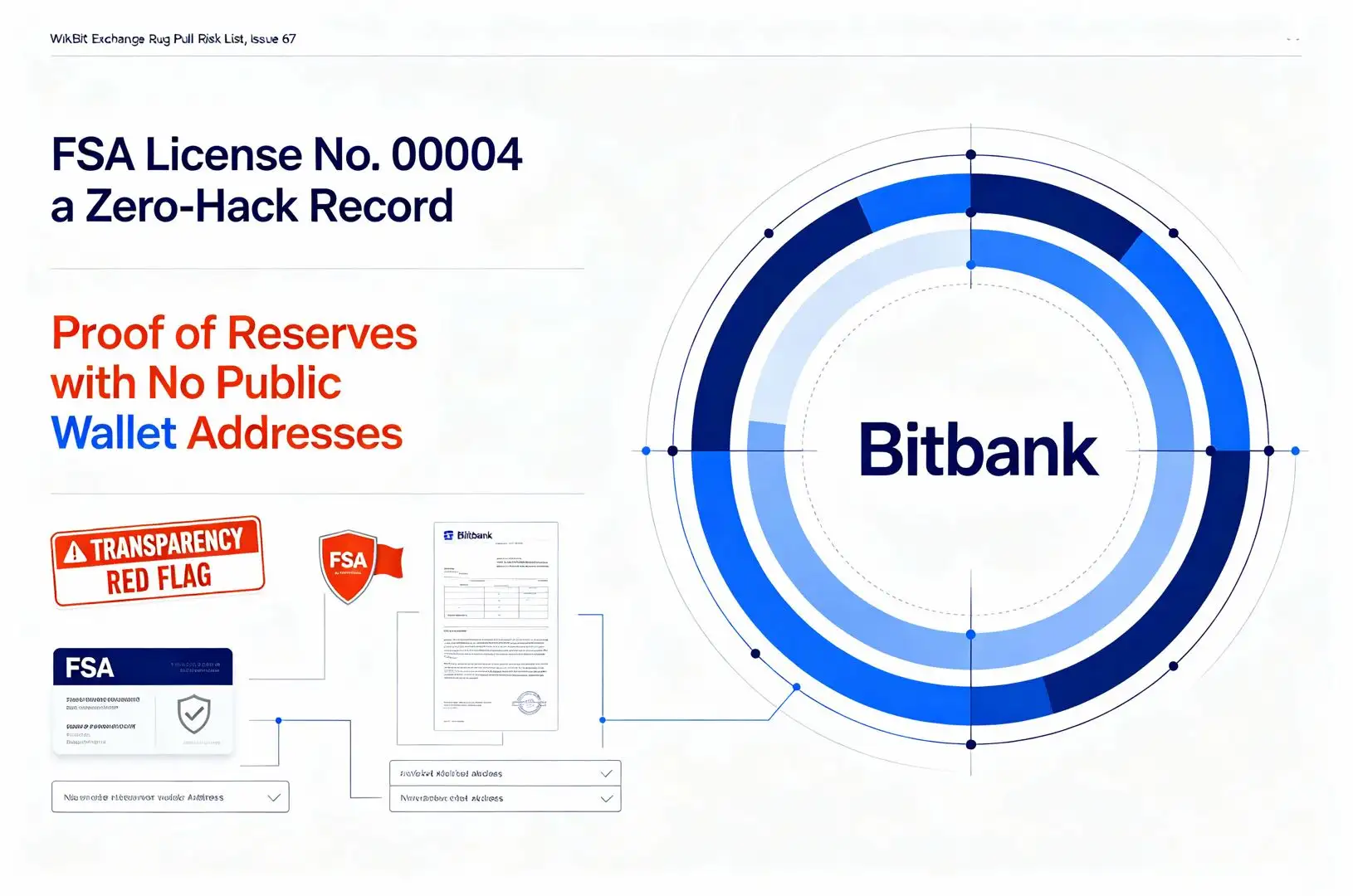
Preface: A Veteran Japanese Exchange with a “Real License, Zero Incidents, Yet an Invisible Ledger” In the first 66 issues, we examined a range of exchanges from HashKey to Coinone. Today, in Issue 67, we take a look at a platform with a very different profile—one that scores high on “institutional security” but has a clear shortcoming in “verifiable transparency”: Bitbank (bitbank.cc). In terms of compliance and security records, Bitbank is a “top student” in the Japanese market. It began operating in May 2014 and obtained its Financial Services Agency (FSA) license in 2017 under registration number Kanto Local Finance Bureau No. 00004. Since its inception, it has maintained a public record of zero hacking incidents. Its altcoin liquidity ranks among the highest in Japan, and the order book depth for core trading pairs such as BTC/JPY and XRP/JPY is at the forefront among licensed exchanges. Its negative maker fee (-0.02% Maker) stands out among Japanese exchanges, offering real appeal to limit-order traders. In June 2026, SBI Holdings acquired 100% of Bitbank for 46.7 billion yen (approximately $289 million). Following the merger, SBI‘s crypto customer assets will reach roughly 1.1 trillion yen across about 2.92 million accounts, making it Japan’s largest crypto exchange
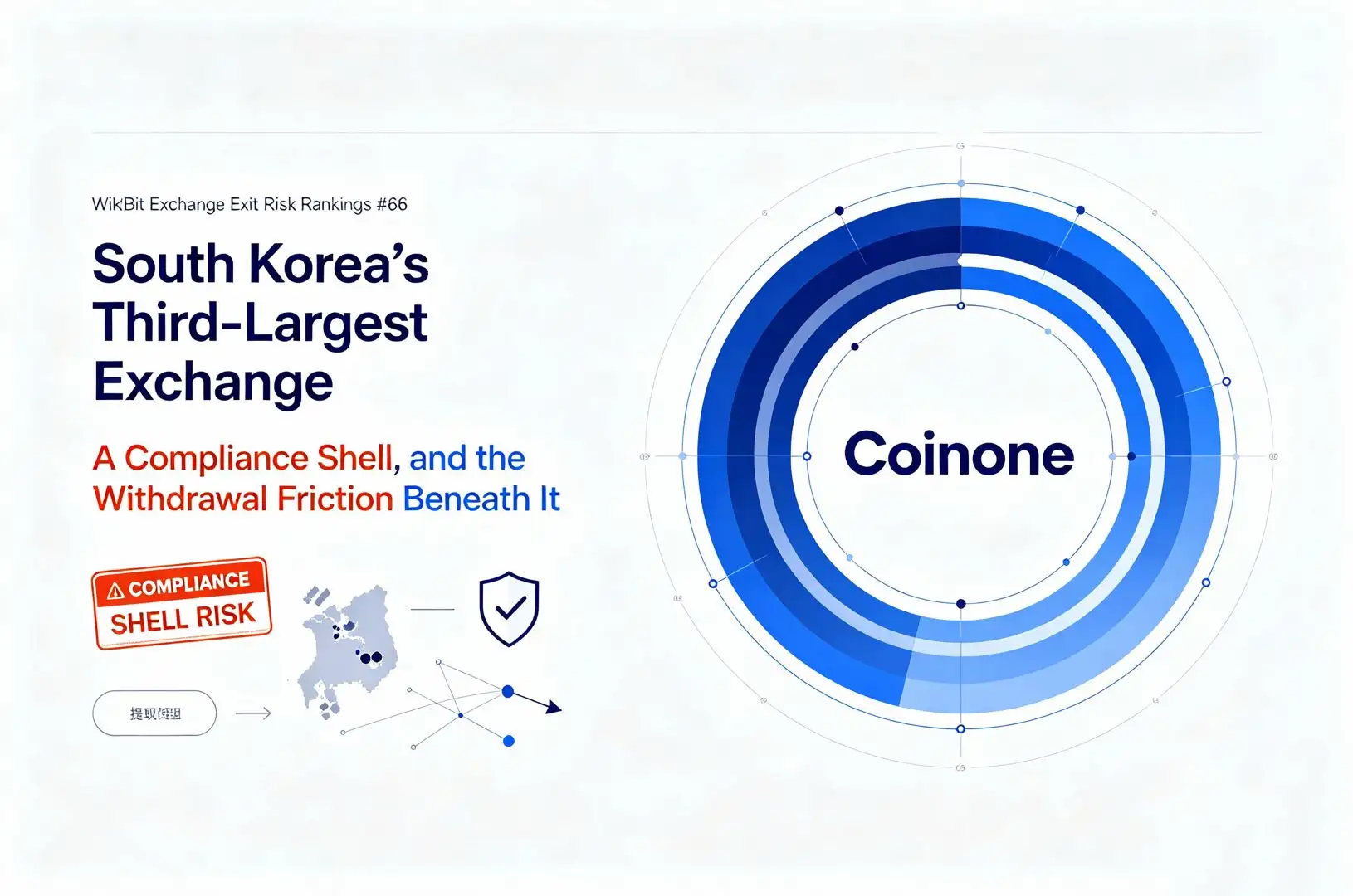
Introduction: An Established Korean Exchange with Both Regulatory Credentials and a Recent Enforcement Record In our previous 65 editions, we investigated a wide range of cryptocurrency exchanges, from HashKey to Bitso. For Edition #66, we turn our attention to an exchange with a long history in South Korea but a relatively recent regulatory penalty: Coinone (코인원). When it comes to regulatory infrastructure, Coinone has a substantial presence in the South Korean market. Founded in February 2014, the exchange is led by founder Cha Myung-hoon, whose identity is publicly verifiable and who remains its largest shareholder. In March 2026, he returned to the position of sole CEO. Its FIU VASP registration was initially accepted on November 25, 2021, and successfully renewed on May 29, 2026, with its status listed as “Accepted” in the FIUs registered VASP records. Coinone is also one of South Koreas five major KRW-supported cryptocurrency exchanges, with access to the Korean won fiat banking system. The exchange publishes quarterly asset verification reports conducted by Daehan Accounting Corporation. According to its September 2026 report, its KRW deposit holdings represented 128.55% of member KRW deposits, while its virtual asset holdings represented 100.12% of member virtual asset balances. Korea Investment s Financial Intelligence Unit
This brand has not yet joined WikiBit platform. All feedback is publicly displayed.
The interface of bitbank is quite cluttered and difficult to use, especially for newcomers. The transaction fees are also relatively high compared to other exchanges.
Bitbank is a cryptocurrency exchange platform based in Japan. It provides a platform for users to buy, sell, and trade various cryptocurrencies, including popular ones like Bitcoin and Ethereum. Like other cryptocurrency exchanges, Bitbank facilitates the trading of digital assets and often offers additional services such as wallet solutions and market analysis tools. It's important to note that the cryptocurrency landscape evolves, so it's advisable to check the latest information and user reviews if you are considering using or investing through a particular exchange like Bitbank.
bitbank is reliable to used, but the exchange still need improvement.....
Bitbank has not been enjoyable by me because I have try it many times and I could not get what I needed...
Cryptocurrency is money without boundaries.It a freedom for merchant and trader across the world
bitbank is not effectively use....need more improvement
Bitbank primarily served customers in Japan, it aimed to expand its services to a broader international audience.
I can say that BitBank is very different to other cryptocurrency exchanges. Extremely easy to use and navigate, very low fees but it's limit d customer services and only fiat currency of Japan
I can say that BitBank is very different to other cryptocurrency exchanges. Extremely easy to use and navigate, very low fees but it's limit d customer services and only fiat currency of Japan is supported
Bitbank is a cryptocurrency exchange known for its robust security measures, diverse cryptocurrency offerings, and user-friendly interface. However, its services are primarily in Japanese, which could be a limitation for non-Japanese users.
