Bitstamp by Robinhood Review 2026: MiCA, Fees, Security and Risks

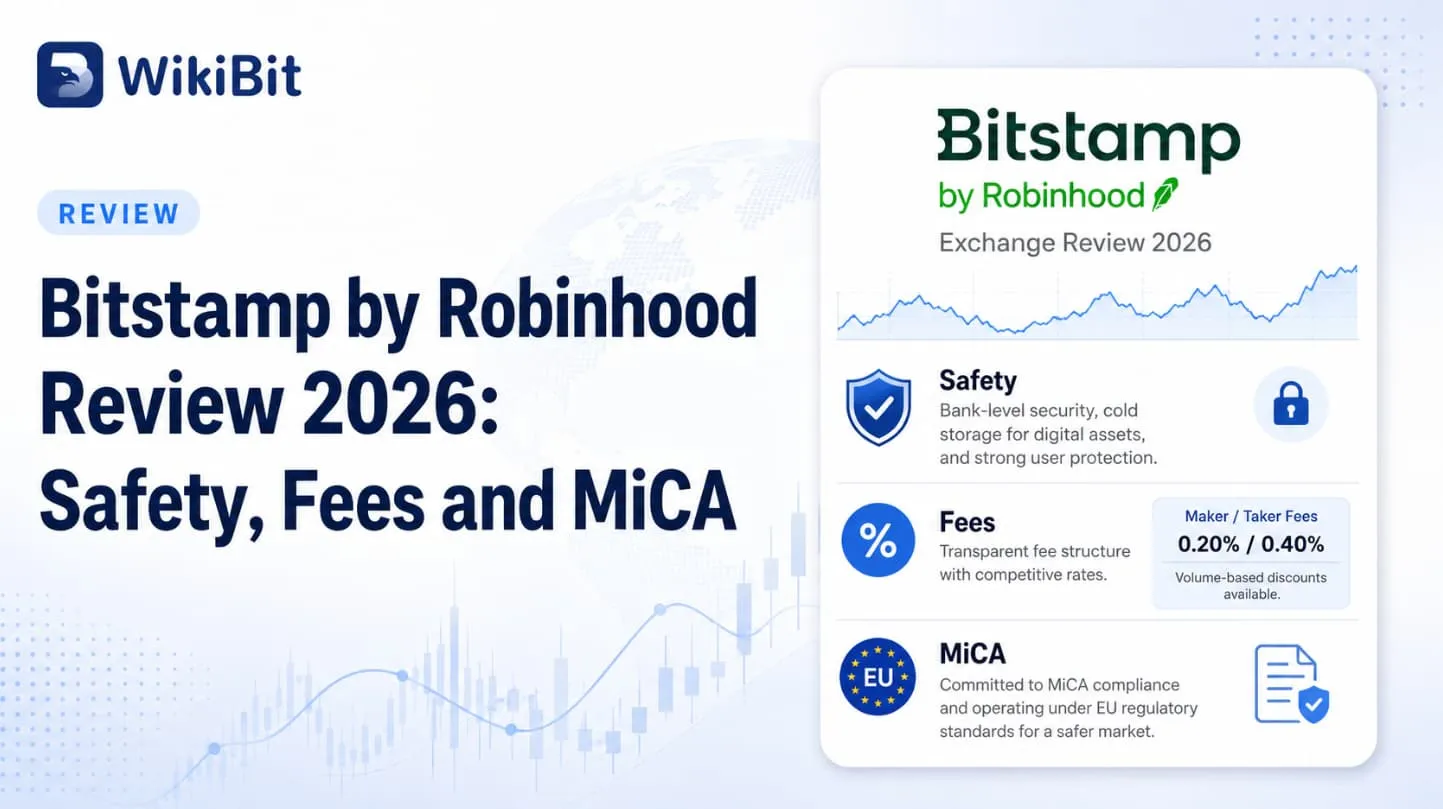
Bitstamp has operated since 2011, making it one of the longest-running centralized crypto exchanges still active today. But the business users interact with in 2026 is no longer independent.  Robinhood Markets completed its acquisition of Bitstamp on June 2, 2025 for approximately $200 million in cash, and the exchange now operates under the Bitstamp by Robinhood brand.  The acquisition changed Bitstamps ownership, not the basic rule that users need to identify which legal entity actually provides their service. A Bitstamp account is not automatically a Robinhood brokerage account, and regulatory permissions still differ between Europe and other regions.  That distinction matters because Bitstamps strongest argument today is regulatory infrastructure. Bitstamp Europe S.A. is authorized in Luxembourg as a Crypto-Asset Service Provider under the EUs Markets in Crypto-Assets Regulation, giving the business a clearer European regulatory framework than exchanges operating primarily through offshore registrations.  Bitstamp also has an unusually long security history. Its most important incident occurred in January 2015, when attackers compromised operational wallets and stole less than 19,000 BTC. The exchange shut down its systems and rebuilt the platform before reopening.  For a user evaluating Bitstamp in 2026, the relevant question is therefore not simply whether it is an old or regulated exchange. The
09-20Industry Research

LBank Review 2026: Fees, Regulation, Altcoin Liquidity and Risks

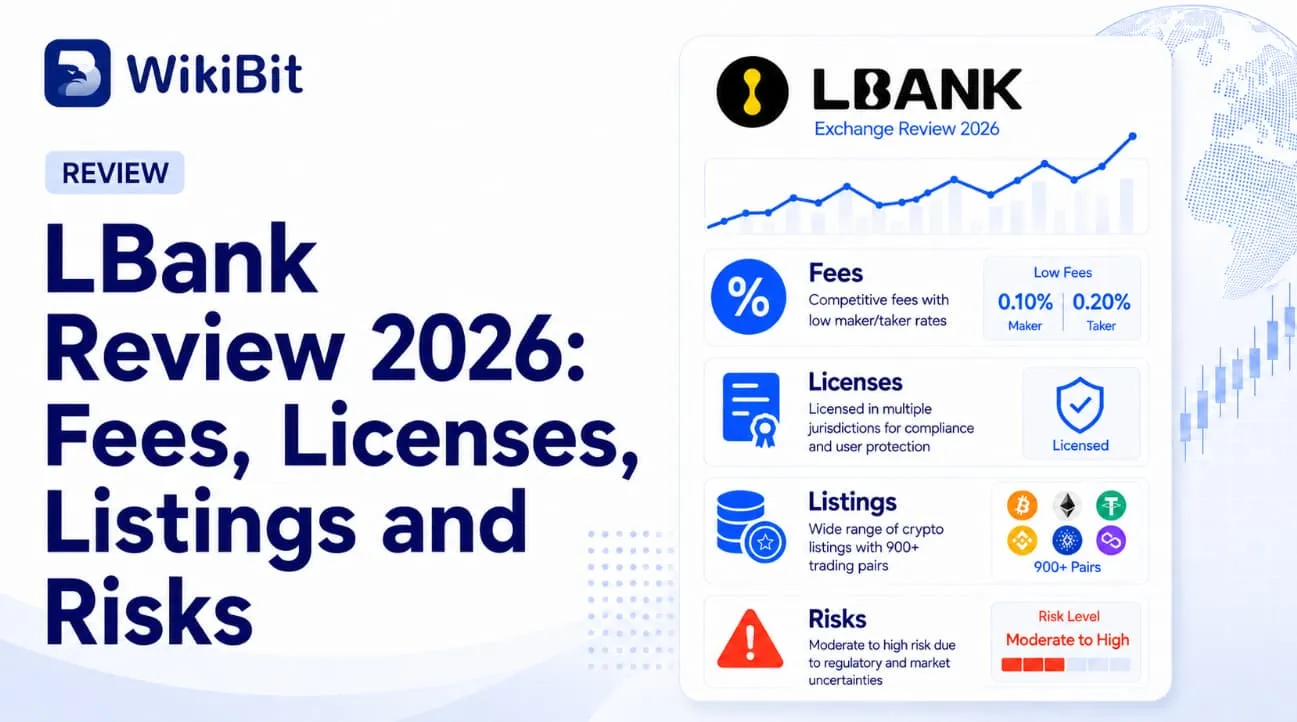
LBank has built its reputation around one thing: access.  The exchange lists a large number of cryptocurrencies, including smaller tokens that may not yet trade on larger venues. It also offers spot trading, futures, leveraged tokens, copy trading and yield products.  That breadth can be useful for traders looking for early or less common markets. It also creates the main risks users need to understand. A token being available on LBank does not mean its order book is deep, its withdrawals will always be available or the underlying project has been independently vetted.  Fees are another area where simple comparisons can be misleading. LBank no longer presents one universal trading fee across every market. Its published fee schedule uses ranges, while the actual maker and taker rate depends on the trading pair and account.  Regulation is similarly more complicated than a list of registration logos suggests. LBank references several legal entities and regulatory registrations, but those registrations apply to specific companies and activities rather than automatically covering every product offered globally.  For most users, the useful question is therefore not simply whether LBank is “safe” or “regulated.” It is whether the specific market, legal entity and product they plan to use can be independently verified.LBank

09-20Industry Research

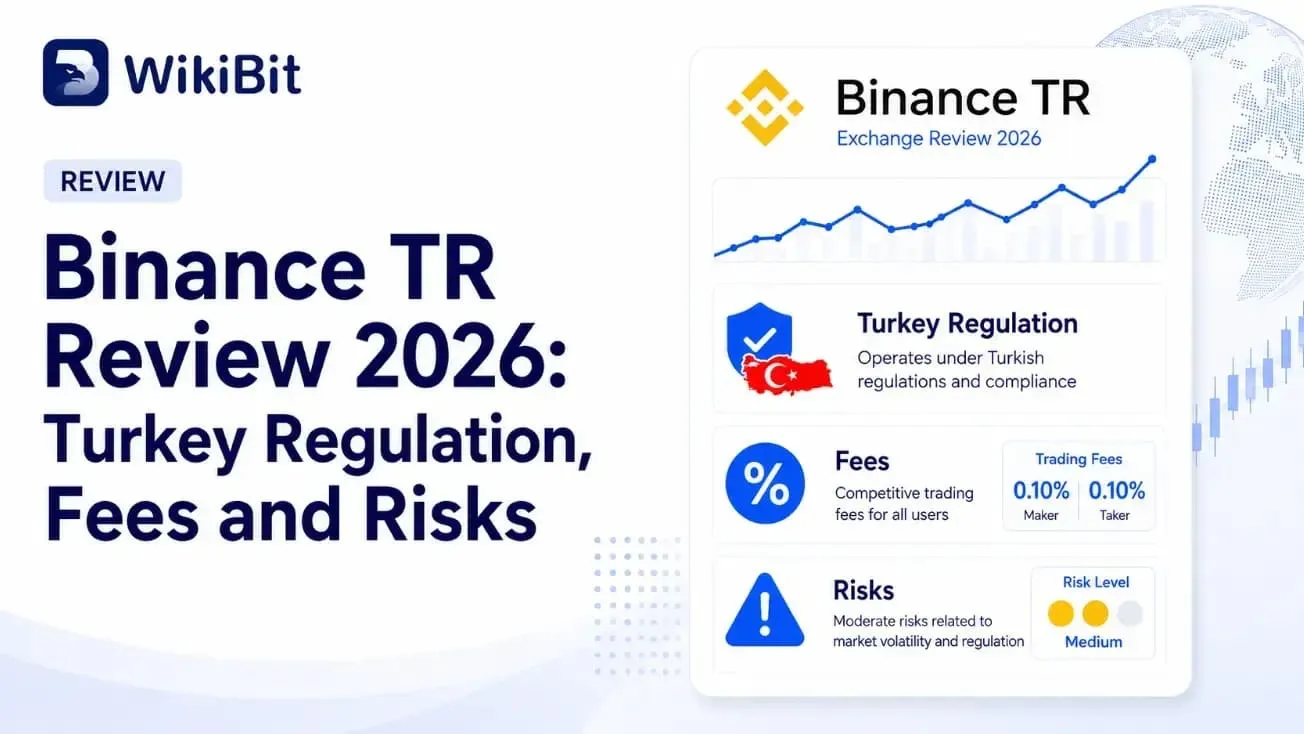
Binance TR Review 2026: Turkey Regulation, Fees and Risks

Binance TR is a Turkey-focused crypto platform built around Turkish-lira deposits, TRY trading pairs and local identity requirements. It uses Binance branding and technology, but it is not simply a Turkish-language screen for Binance.com. The local operating company, customer terms, product range and regulatory position must be assessed separately from the global exchange.  This Binance TR review finds a convenient on-ramp for eligible Turkish residents, particularly users who want bank transfers and liquid TRY pairs. Its June 2026 entry fee is 0.10% maker and 0.15% taker, with a 25% BNB discount where the conditions apply. The most important legal point is that appearance on Turkeys Capital Markets Board operating list is transitional and does not itself mean the company has received final authorization.Binance TR at a glanceItemDetail in 2026Local companyBinance Turkey Kripto Varlık Alım Satım Platformu AŞ, formerly BN Teknoloji AŞMain marketTurkish residents and TRY pairsBronze TRY fee0.10% maker and 0.15% taker from June 2, 2026BNB-discount Bronze fee0.0750% maker and 0.1125% taker when eligibleTRY funding chargeBinance TR states TRY deposits and withdrawals are free on its sideSPK positionIncluded on the transitional “Operating Entities” list; the SPK says listing is not authorizationMain distinctionSeparate local account and product set from Binance.com  Binance TR ranked

09-20Industry Research

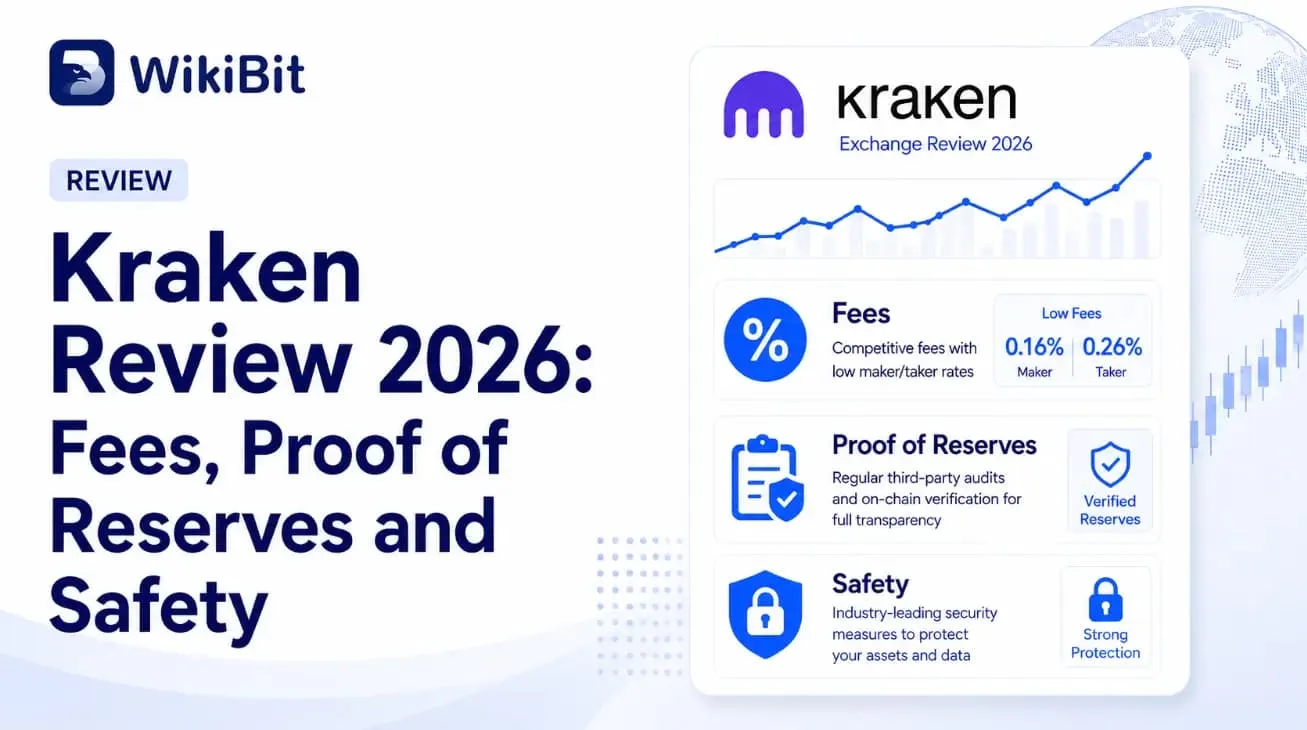
Kraken Review 2026: Fees, Proof of Reserves and Safety

Kraken is one of the oldest major crypto exchanges still operating, with a reputation built less on rapid token listings or extreme leverage than on security, fiat access and regulatory coverage.  That positioning is still relevant in 2026. Kraken has MiCA authorization in Europe, publishes independently verified proof of reserves and says its exchange-managed custodial wallets have never been breached. But there is now a more obvious downside: Kraken Pro became expensive for low-volume spot traders after its July 2026 fee changes.  For users choosing between Kraken and lower-cost offshore exchanges, the trade-off is increasingly clear. Kraken offers stronger regulatory and security credentials, but users may pay considerably more for them.Kraken Pro is no longer a low-fee option for casual traders  On July 9, 2026, Kraken introduced new cross-platform fee tiers. The entry Kraken Pro spot tier now charges:0.40% maker0.80% taker  The rate falls as either 30-day spot trading volume or eligible assets held on Kraken increase. At $2,500 in monthly volume, rates fall to 0.30% maker and 0.60% taker; at $10,000, they fall to 0.22% and 0.38%.  That makes Kraken unusually expensive at the entry level compared with exchanges advertising spot fees around 0.10% or below.  A $5,000 market order at the base 0.80% taker

08-26Industry Research

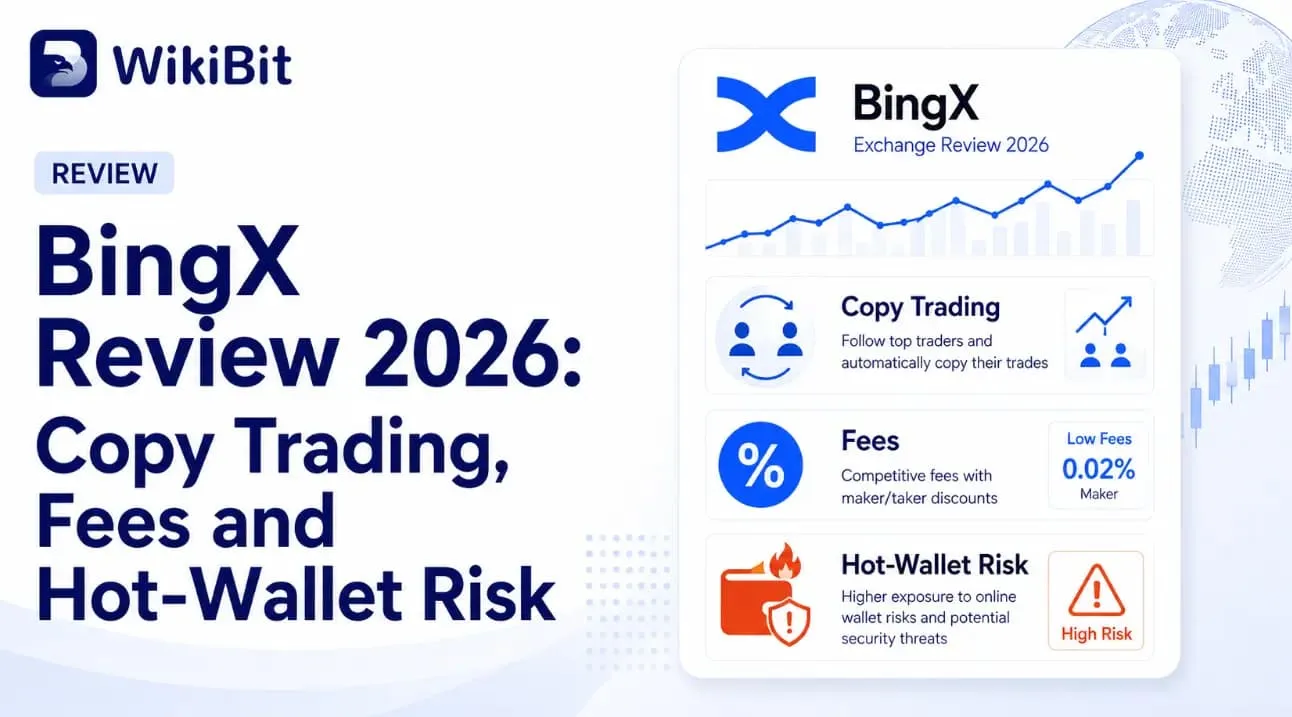
BingX Review 2026: Copy Trading, Fees and Hot-Wallet Risk

BingX has built much of its identity around copy trading. Alongside ordinary spot markets, it offers perpetual futures, grid tools and a large marketplace where users can automatically follow other traders.  That makes the platform unusually accessible to active retail traders. It also creates a particular type of risk: copying a trader can make a leveraged strategy look simpler without making it safer.  BingX also has a recent security incident to account for. In September 2024, unauthorized access to a hot wallet forced the exchange to suspend deposits and withdrawals while it moved assets and rebuilt wallet services. BingX later restored services and has continued publishing proof-of-reserves data.  For experienced traders, BingX offers a useful combination of copy trading, derivatives and automation. For beginners, the biggest danger is not necessarily the exchanges 0.10% spot fee—it is following high-return traders without understanding leverage, drawdown and liquidation.Copy trading is the real BingX differentiator  Most large exchanges now offer spot and perpetual futures. BingX stands out more clearly through the prominence it gives to copy trading.  Users can select a trader, review performance statistics and automatically reproduce trades according to their own allocation settings. Depending on the product, copying can be based on a fixed amount or a

08-26Industry Research

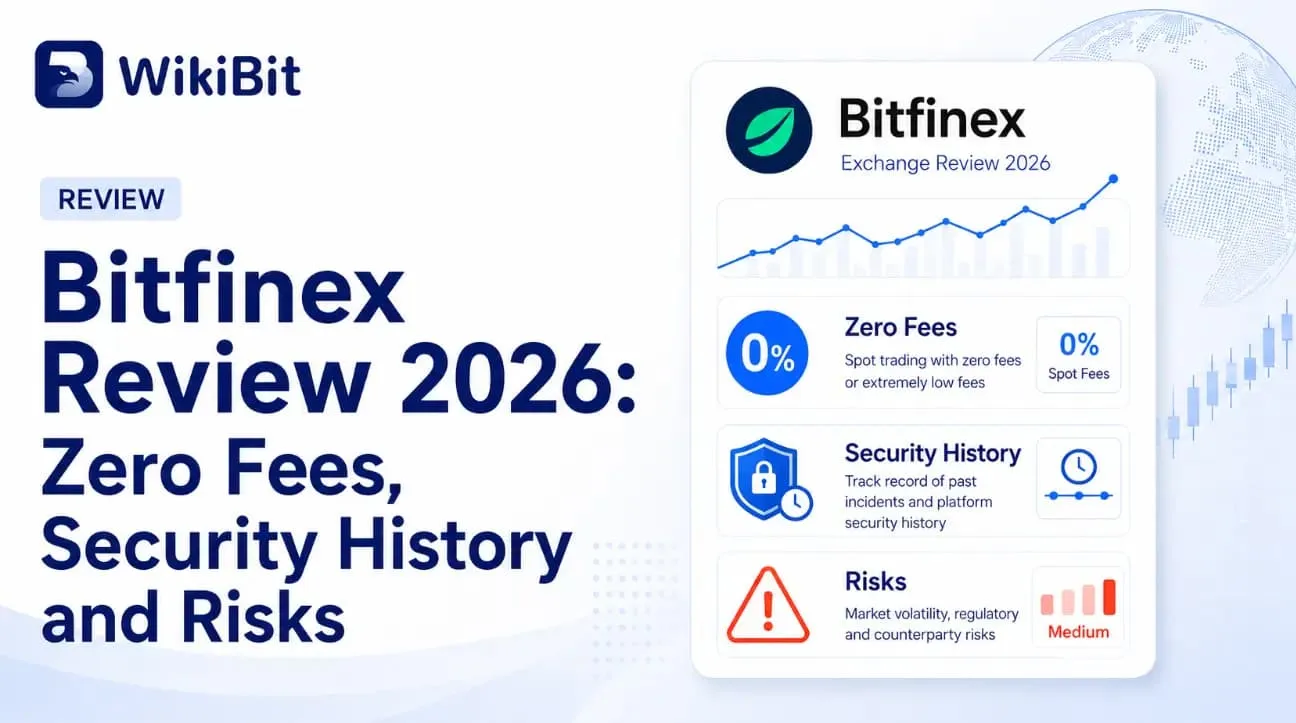
Bitfinex Review 2026: Zero Fees, Security History and Risks

Bitfinex is one of the oldest operating crypto exchanges and one of the least conventional. It combines deep liquidity in major assets, margin trading and a peer-to-peer funding market with a corporate history closely connected to Tether. Since December 17, 2025, Bitfinex says it charges no maker or taker fees for spot, margin, derivatives, securities and OTC trading. That headline is exceptional, but it does not eliminate withdrawal charges, financing costs, spreads or the legal restrictions that keep ordinary U.S. residents off the platform.  This Bitfinex review finds a venue better suited to experienced, non-U.S. traders than to beginners. The exchange has continued operating after the theft of 119,755 BTC in 2016 and ultimately redeemed the loss tokens issued to customers. Its current security controls are detailed. Nevertheless, the size of that breach, past U.S. enforcement and the complexity of margin funding deserve more weight than a simple ranking score.  Bitfinex in 2026ItemCurrent significanceOperating historyLaunched in 2012Headline trading fee0% maker and 0% taker for major trading products since December 17, 2025Major historical breach119,755 BTC stolen on August 2, 2016Customer-loss responseBFX tokens issued at $1 per dollar lost and redeemed or converted within eight monthsCold storage claimAbout 99.5% of user funds held offline

08-26Industry Research

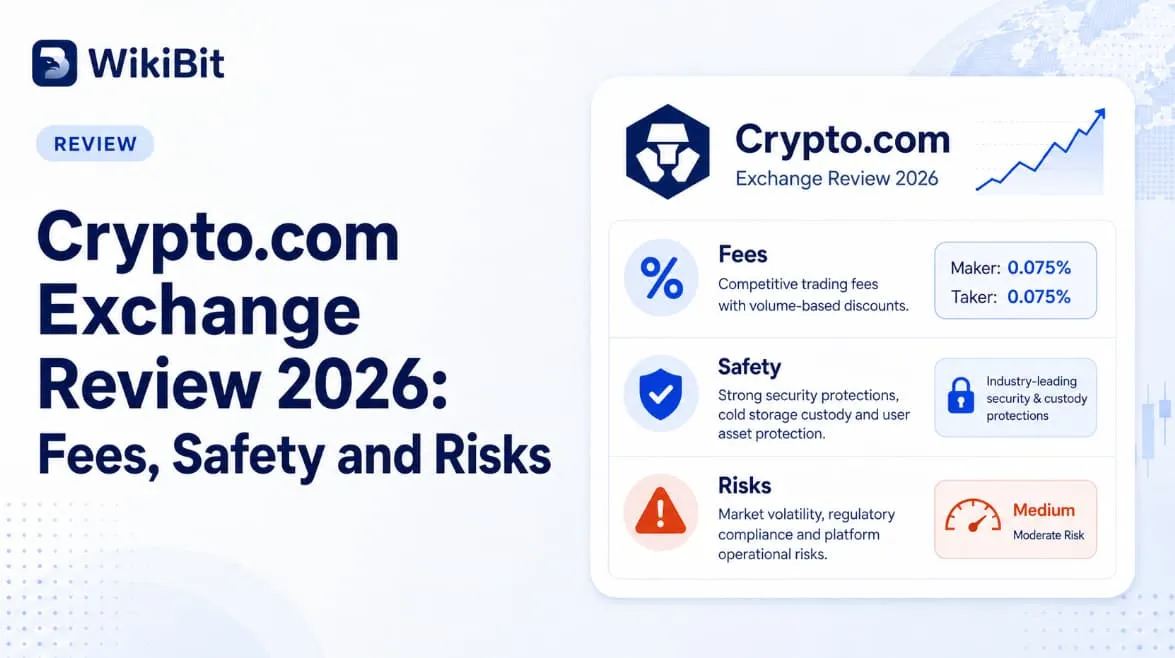
Crypto.com Exchange Review 2026: Fees, Safety and Risks

Crypto.com is not one single product. Its retail app, advanced Exchange, Visa card, DeFi Wallet and country-specific services can have different operators, prices and eligibility rules. That distinction is the starting point of this Crypto.com Exchange review. The Exchange offers more than 300 spot pairs and a professional order-book interface, but its entry-level trading fees are higher than those of several large competitors. Its regulatory footprint is substantial, yet each registration applies to a named company and a defined activity—not to every Crypto.com product worldwide.  For an active trader, the strongest reasons to consider Crypto.com Exchange are its broad market access, fiat ecosystem and CRO-linked fee benefits. The main cautions are a complicated corporate structure, meaningful regional differences, reliance on an older proof-of-reserves snapshot, and a confirmed 2022 security incident. It can be a practical venue, but users should identify which Crypto.com company holds their assets before treating a group-level license as personal protection.Crypto.com Exchange at a glanceItemWhat users should know in 2026Core operatorVaries by country and product; Foris DAX entities appear in several marketsSpot marketsCrypto.com advertises more than 300 trading pairsEntry spot fee0.250% maker and 0.500% taker for under $10,000 in 30-day volume without CRO benefitsReserve disclosureMerkle-tree verification plus published

08-26Industry Research

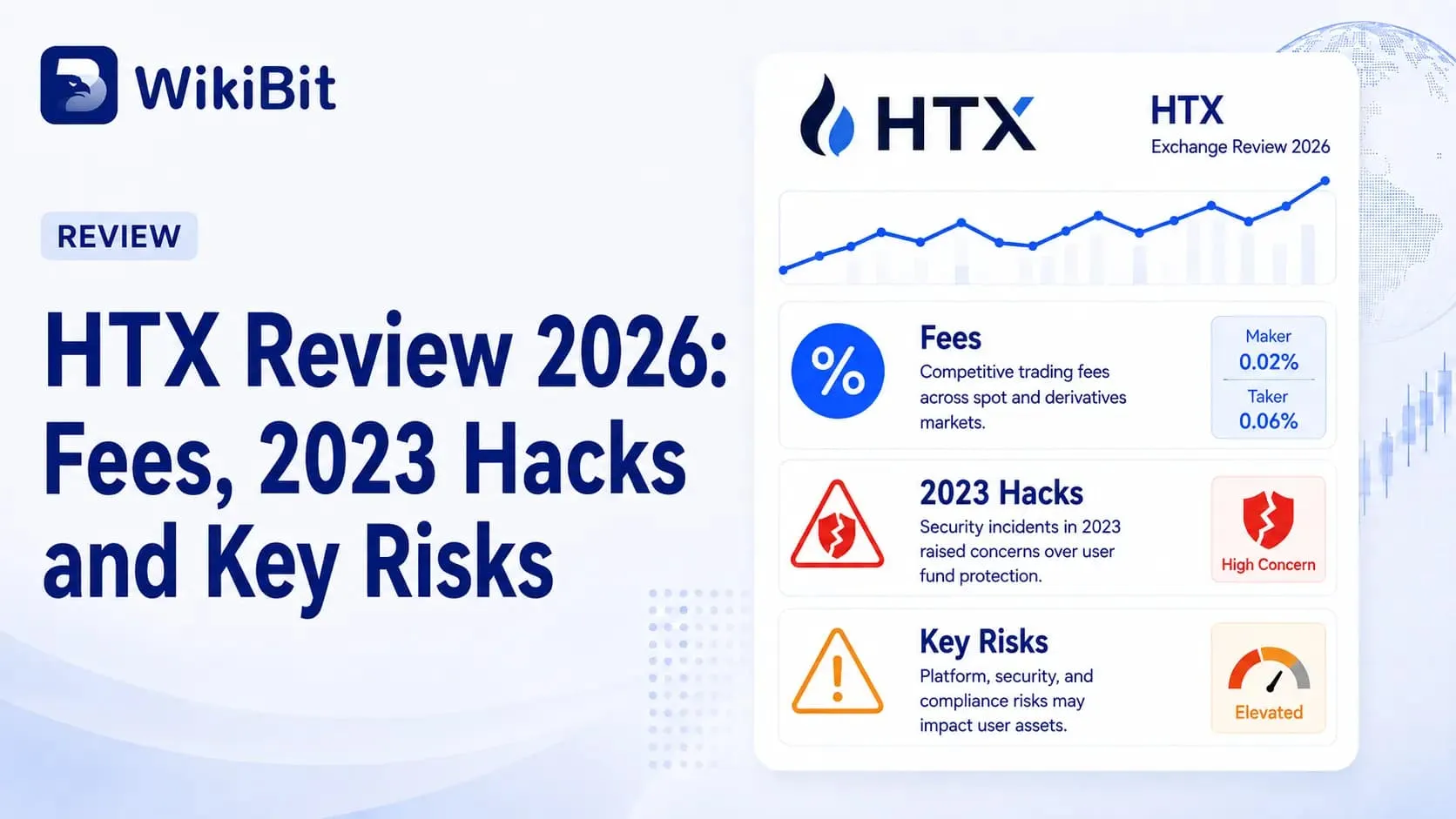
HTX Review 2026: Fees, 2023 Hacks and Key Risks

HTX, formerly known as Huobi Global, is one of the longest-running major cryptocurrency exchanges. It offers hundreds of crypto assets, spot and derivatives markets and particularly strong integration with the TRON ecosystem. CoinMarketCap ranked HTX 10th among spot exchanges when checked in August 2026.  Its long operating history is a positive, but HTX also carries unusually significant risk factors: multiple security incidents in 2023 and major UK and EU sanctions developments in 2026.  Our assessment: HTX may still be useful to experienced traders in permitted jurisdictions, particularly for TRON-related liquidity and altcoins. It is a weaker choice for users prioritizing clear domestic regulation or long-term exchange custody.HTX at a glanceCategoryAssessmentFounded2013Previous brandHuobi GlobalMain strengthAltcoins, TRON liquidity and broad trading productsStandard spot fee0.20% maker / 0.20% takerProof of reservesYes, monthly disclosuresMajor security eventsSeptember and November 2023Major 2026 riskUK and EU sanctions involving Huobi Global S.A./HTXMain risksRegulatory exposure, sanctions, custody and derivativesFrom Huobi to HTX  Huobi was founded in China in 2013 and later moved much of its international business offshore following restrictions on cryptocurrency trading in mainland China. The global platform rebranded as HTX in September 2023.  Justin Sun, founder of TRON, has been one of the platforms most prominent representatives. HTX has publicly described him

08-26Industry Research

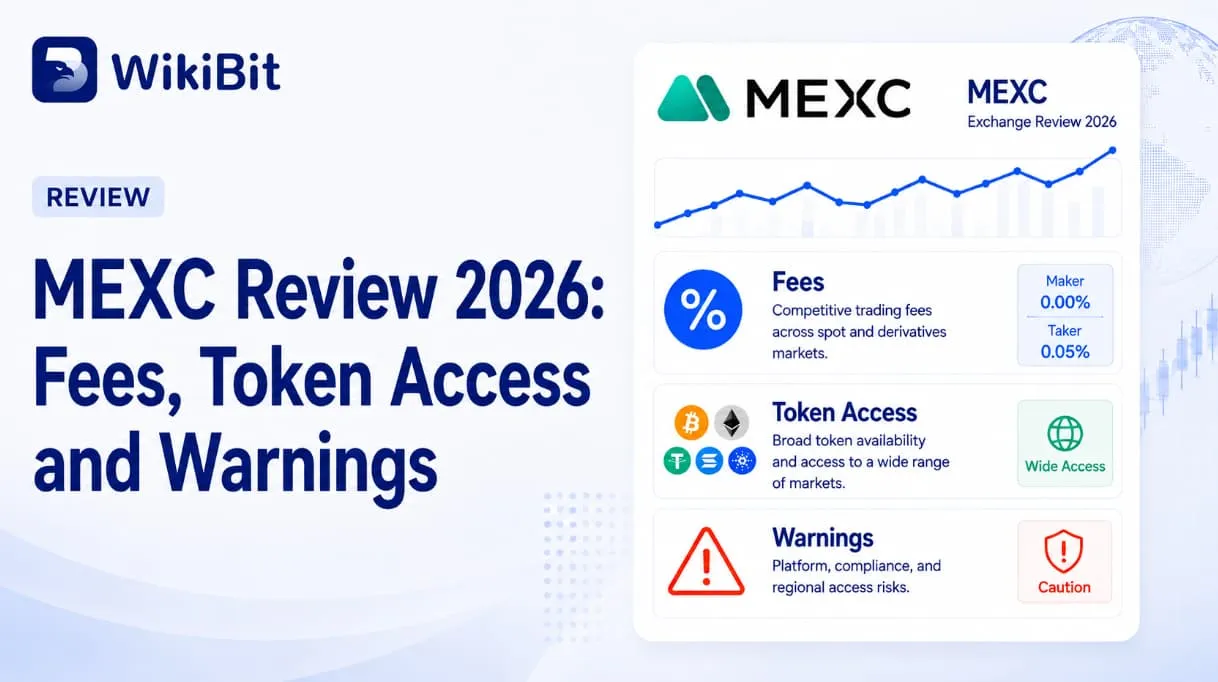
MEXC Review 2026: Fees, Token Access and Warnings

MEXC is a large international cryptocurrency exchange known for early token listings, a very broad altcoin catalogue and unusually low trading fees. CoinMarketCap ranked it ninth among spot exchanges when checked in August 2026.  Those strengths come with important trade-offs. MEXC has received regulatory warnings from authorities including Hong Kongs Securities and Futures Commission (SFC) and the UK Financial Conduct Authority (FCA), while its large number of small-cap markets creates additional liquidity, delisting and token-quality risks.  Our assessment: MEXC can be useful for experienced traders seeking early access to altcoins. It is less suitable for users who prioritize local regulatory protection, simple custody or conservative trading products.MEXC at a glanceCategoryAssessmentFounded2018Main strengthEarly listings and broad token accessStandard spot feeAround 0% maker / 0.05% taker, subject to region and promotionsProof of reservesYesLatest BTC reserve ratio288% in August 2026Hong Kong statusSFC warning / not licensedUK statusFCA warning / not authorizedMain risksRegulatory status, small-cap liquidity, delistings and derivativesToken access and product range  MEXC launched in 2018 and has built much of its market position around listing cryptocurrencies quickly.  CoinMarketCap currently describes the exchange as supporting more than 3,000 cryptocurrencies, although the exact number changes as tokens are listed and removed. MEXC also offers perpetual futures, copy trading, staking,

08-26Industry Research

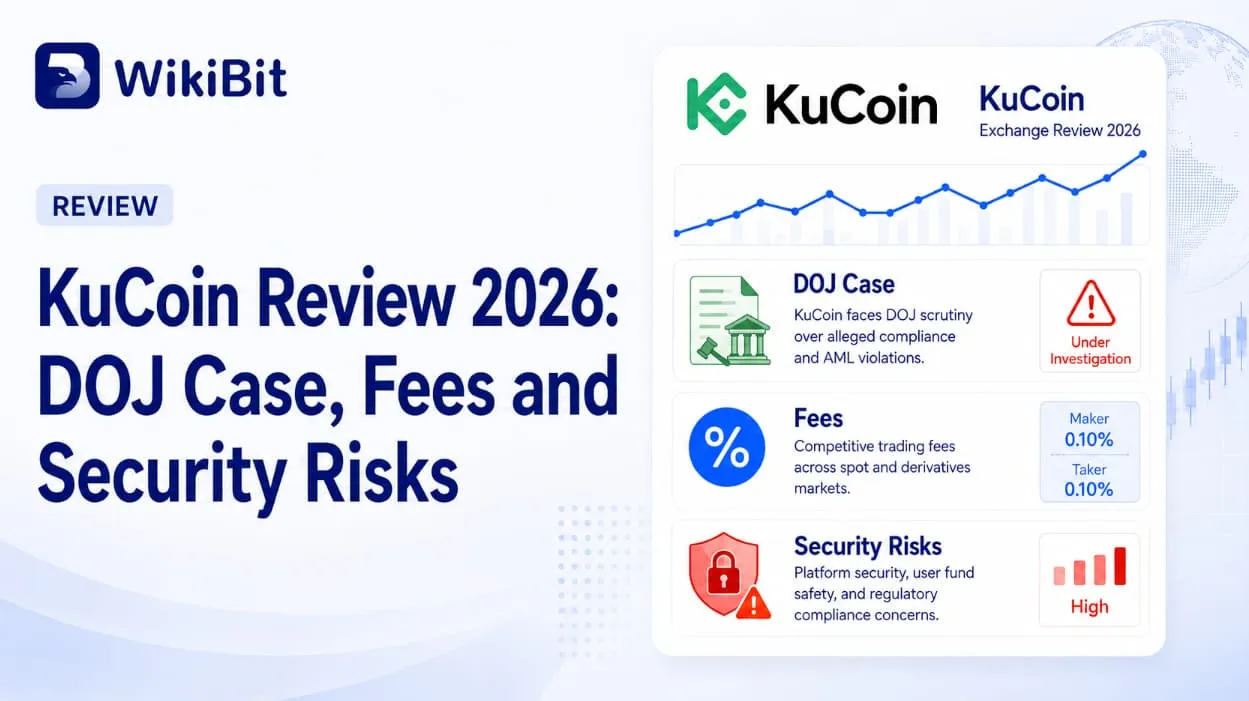
KuCoin Review 2026: DOJ Case, Fees and Security Risks

KuCoin is a major cryptocurrency exchange known for its broad altcoin selection, trading bots and derivatives. Its low trading fees and access to smaller tokens remain competitive, but two events are essential to any 2026 assessment: KuCoins 2025 U.S. criminal guilty plea and its major 2020 security breach.  This KuCoin review finds a feature-rich exchange that may suit experienced users in supported jurisdictions. However, its regulatory history and centralized custody risk make it less suitable for users seeking strong domestic regulatory protection.KuCoin at a glanceCategoryAssessmentFounded2017Main strengthAltcoin selection and trading toolsStandard Class A spot fee0.10% maker / 0.10% takerHigher spot fee classesUp to 0.30% at VIP 0Proof of reservesYesMajor security incident2020 hot-wallet hackMajor regulatory event2025 U.S. guilty pleaU.S. accessKuCoin agreed to exit the U.S. market for at least two yearsMain risksRegulatory history, custody, altcoin liquidity and derivatives riskAltcoins, products and fees  KuCoin launched in 2017 and built much of its reputation around listing a large number of cryptocurrencies. It offers spot and margin trading, perpetual futures, trading bots, copy trading, P2P and yield-related products where available.  Its broad token catalogue can be useful for traders looking for assets not yet listed on larger or more conservative exchanges. The trade-off is that smaller markets may

08-26Industry Research
1
...
12131416