






Circle is a financial technology company headquartered in the United States, founded in 2013. The company operates primarily in the digital currency and blockchain technology space.
Circle offers a range of products and services, including:
Circle Pay: This is a mobile payment application that enables users to send and receive funds globally in a fast, secure, and cost-effective manner.
USDC (USD Coin): USDC is a stablecoin based on the Ethereum blockchain, issued in collaboration between Circle and Coinbase. The goal of USDC is to maintain a fixed exchange rate of 1:1 with the US dollar, providing a stable value reserve in the digital currency market.
Circle Trade: Circle Trade is a subsidiary that provides cryptocurrency trading and liquidity services, offering solutions for institutional investors seeking high liquidity and large-scale transactions.

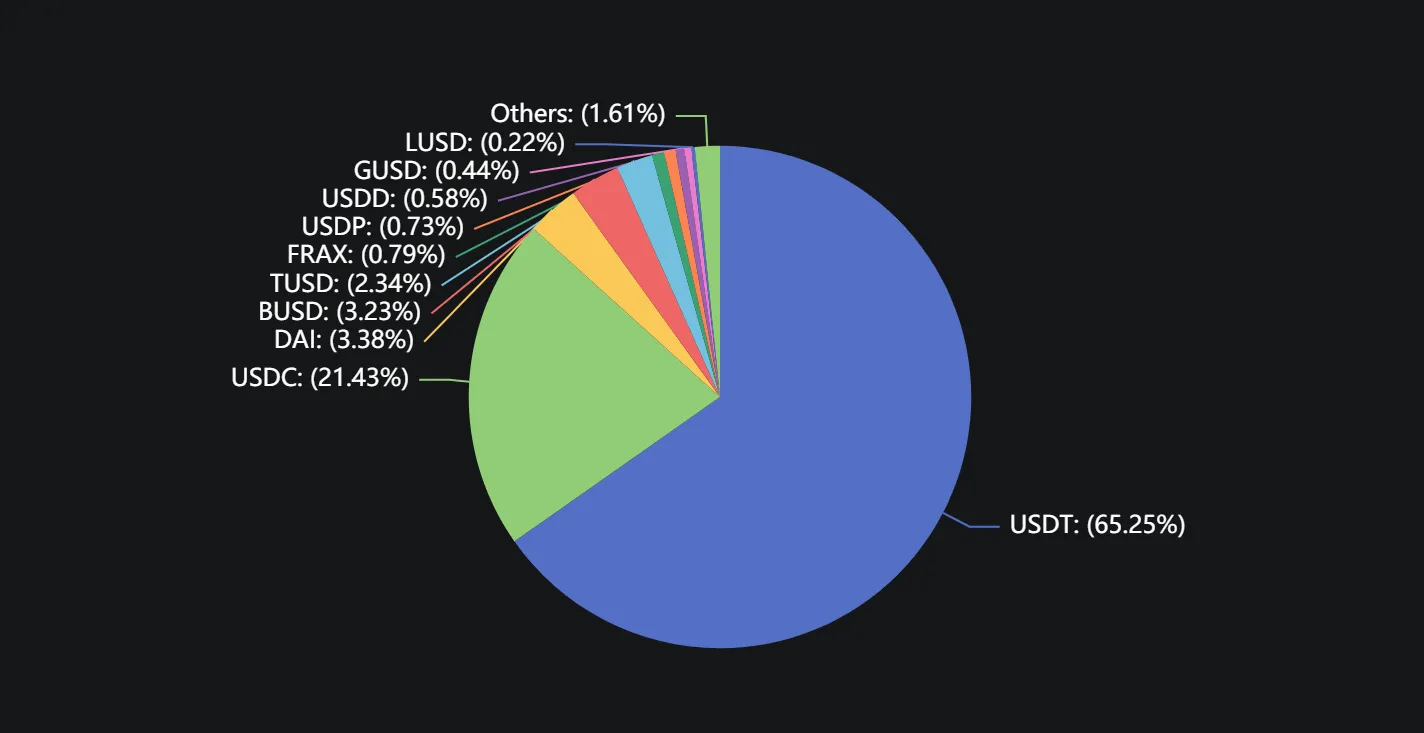
As a fintech company, Circle has gained prominence in the industry, particularly through its joint issuance with Coinbase of USDC, a dollar-pegged stablecoin. Currently, USDC has a market capitalization of $27.6 billion, making it the second-largest dollar-pegged stablecoin in the digital currency industry, following USDT.
It is reported that in December of last year, the Japanese Financial Services Agency lifted the ban on overseas stablecoins. Japan's stablecoin legislation made it one of the earliest countries to establish a framework for the use of overseas stablecoins. The revised Payment Services Act in Japan classifies stablecoins backed by legal tender as “electronic payment methods” and allows their issuance. Stablecoin issuers must comply with strict regulations. Stablecoins must be pegged to the yen or other legal tender and ensure the right of holders to redeem them at face value. Only licensed financial institutions such as licensed banks, registered remittance agents, and trust companies are allowed to issue stablecoins.
Coincidentally, Circle recently obtained a Major Payment Institution (MPI) license in Singapore, enabling it to provide digital payment token services, cross-border remittance services, and domestic remittance services in Singapore.
According to Coindesk, Circle's co-founder and CEO, Jeremy Allaire, stated that considering the legislation governing stablecoins taking effect on June 1st, Circle is exploring the issuance of stablecoins in Japan. Allaire believes that if stablecoins are more widely adopted in cross-border trade, foreign exchange transactions, and global commerce, Japan could become an extremely large market.
:format(jpg)/cloudfront-us-east-1.images.arcpublishing.com/coindesk/ZYREZB2SRFH43CGT5NCOC2T54Y.jpg)