Not all Ethereum layer 2s are dying, but many general-purpose chains no longer have a reason to exist
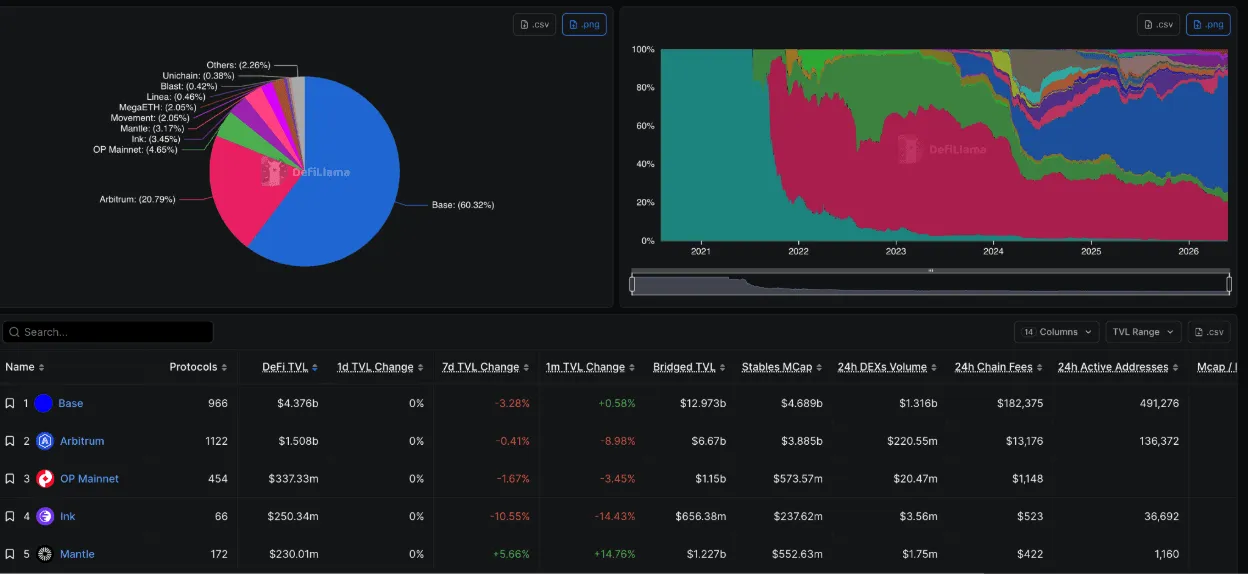
When Zero Network announced it was shutting down last month, the reaction across crypto was weary: Another Ethereum layer-2 just bit the dust. The closure joined a growing list of struggling rollups and came amid renewed debate about whether Ethereums sprawling layer-2 ecosystem has become too crowded. At the same time, Ethereum creator Vitalik Buterin has urged developers to rethink the networks long-term scaling roadmap, while several major projects have shifted away from marketing themselves as general-purpose blockchains and toward more focused applications in payments, stablecoins and tokenized assets. To many observers, the developments have revived a familiar question: Has Ethereums sprawling layer-2 ecosystem become too crowded? Industry participants, however, argue the opposite. “The thing to recognize is that anywhere where somebody would be running a smart contract on an existing blockchain, someone could equally run a layer two,” said Ben Fisch, co-founder and CEO of Espresso Systems. “Were in a consolidation phase for general-purpose layer twos, not layer twos broadly.” Ethereum layer-2s exploded over the past several years as improvements in rollup technology dramatically reduced the cost and complexity of launching new chains. Rollups work by processing transactions off Ethereums main blockchain, bundling hundreds of them together, and then periodically posting compressed transaction data