






Official XRP Ledger's repository account received a proposed fix to keep only transaction-independent offer removals after a tec that should address the disappearance of failed transactions.
Breaking down the bug
This particular change addresses a bug with order-book behavior around “tec” failures, which are failures where the transaction processing is rolled back. In some circumstances, offers can be removed when a “tec” failure occurs, even though the transaction that triggered it never succeeded.
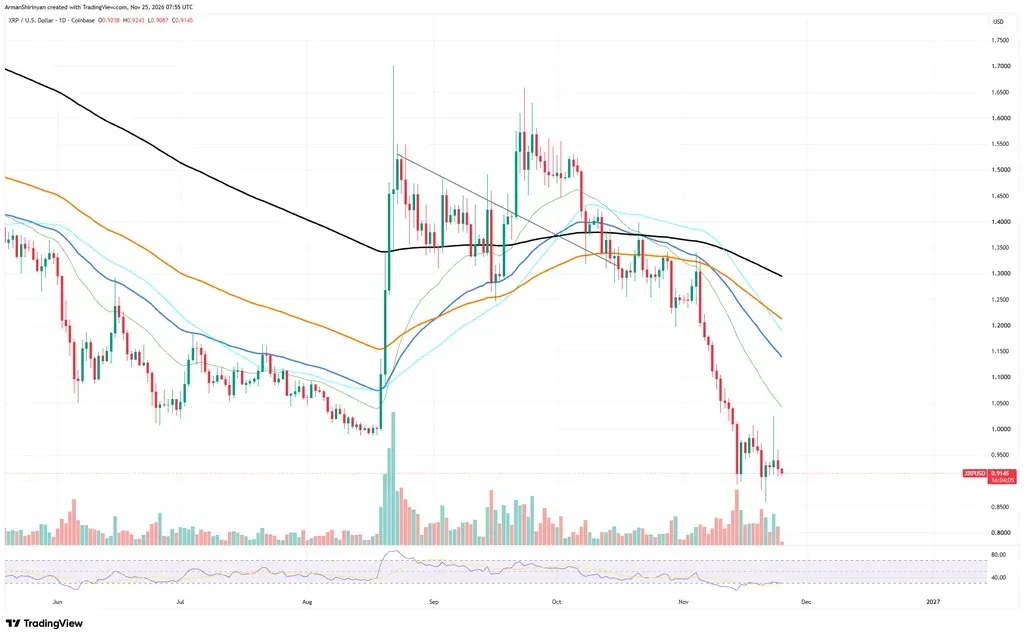
XRP/USDT Chart by TradingView
In one scenario, a trader could have an existing offer removed before they‘re able to add a replacement (for instance, if they don’t have enough reserve to add a new offer). In another, a more complicated Flow could temporarily leave an offer unfunded, only to have funds restored if a subsequent step fails, again resulting in an offer being removed even though the transaction that triggered it failed.
To address this issue, rippled will attempt to remove offers that were marked for removal upon tec failure any time a tec failure occurs. Previously, this was attempted for certain tec error codes but not others, with some additional restrictions around Flow-related offer removals (an offer will only be marked for removal if the owners balance has not changed in any relevant ways during the course of the Flow).
What happens with older orders?
Offers that have already expired can still be removed, but offers owned by the transactor will be skipped. This is a best effort to make sure offers are consistently added/removed from the order book and should reduce confusing trade results.
Offers to/from regular XRP accounts and balances, XRP sends are unaffected and there are no proposed API changes.
This does not change XRP supply, fees, transaction capacity, etc. and is unlikely to have any effect on XRPL usage or XRP price (other than maybe making XRPL trading more appealing to traders).
This change would mostly affect traders using decentralized exchanges (DEXs) and particularly those using complex/routed/fill-or-kill orders/self-crosses.
On November 23, XRP briefly hit $1.026 before dropping below $1. Reports indicate crypto selling in general and ETF outflows have been putting pressure on XRP lately. By November 25, XRP was trading at ~$0.92. This software change would not be a catalyst for a price recovery of XRP.