SUI Price Today: Sui Surges 18% to $1.24 as Institutional Staking and Paga Partnership Drive Demand
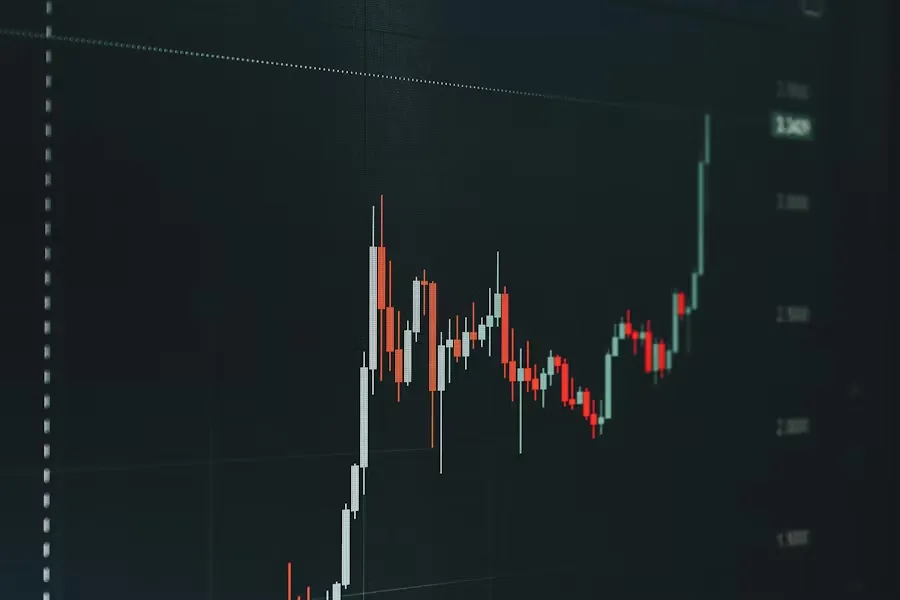
Sui is trading near $1.24 on May 10, 2026, up 18.25% in 24 hours with $1.2 billion in volume. The chart tells the story cleanly. Price sat near the $1.0485 open for most of the day, grinding slowly higher through the morning and afternoon, then broke sharply upward in the final hours of the session. That kind of late-session acceleration usually means news-driven buying rather than organic accumulation, and in this case the news is real. Two catalysts hit on May 9. Both matter. What Drove the Move A Nasdaq-listed company disclosed it had staked a significant portion of SUIs circulating supply. Institutional staking at that scale does two things at once: it removes tokens from liquid supply, and it sends a public signal that a regulated entity is comfortable making a long-term bet on the network. The initial price reaction was a 13% jump on that news alone. The second catalyst came from the Sui Live event in Miami. Nigerian fintech giant Paga announced a deep integration with the Sui blockchain, using the USD/sui stablecoin to offer dollar accounts, tokenized real-world assets, and cross-border payments to its user base. Paga processed $11 billion in 2025. That is not a demo project. It is