Meta Tests Robots to Handle Data Center Work

In briefMeta is testing robots that can swap cables, restart servers, and inspect equipment.Some workers fear the machines will reduce staffing or shift technical work to lower-paid roles.The robots remain slow and require human assistance.  Meta is testing robots to maintain the data centers powering its artificial intelligence systems, including machines that can replace networking cables, restart servers, and inspect equipment.  According to a Friday WIRED report, Meta is testing robots from San Francisco-based Watney Robotics, Quebec-based Kinova, and Zurich-based ABB that could reduce labor costs—and potentially staffing—as its AI infrastructure expands.  Myriad: How high will Nvidia go? Click to make your prediction.  One unnamed employee estimated that a successful cable-swapping robot could replace as much as 80% of the work performed in certain roles. The figure was the worker‘s estimate, not a Meta projection, and the machine cannot yet match a person’s speed.  Robots enter the server room  Meta is testing robots to move server racks, inspect equipment, replace cables, and restart servers. However, the machines still need human supervision and struggle with obstacles, battery life, visual inspections, and dense cabling.  Nvidia and Alibaba are also developing systems to improve robot training. In June, Alibaba unveiled its Qwen-Robot Suite, with models for navigation, object handling, and

08-29Industry

Cosmos misjudged a critical bug for 4 months before hackers stole nearly $6 million across 6 chains

A Cosmos EVM vulnerability exploited across six networks, including MANTRA, exposed a security gap spanning around 40 blockchains.  Related Asset Cosmos #64 ATOM · $1.48 24-hour change: down 3.09% Price history is not available. 24H Down 3.09% 7D Down 4.58% 30D Up 15.86%  On Aug. 28, Cosmos Labs said the same accounting flaw was exploited on six networks, including MANTRA, TAC, and KiiChain, before an emergency response spread across the broader Cosmos EVM ecosystem.  Attackers converted about $2.87 million through decentralized exchanges and an estimated $2.85 million through centralized venues, according to a Cosmos security postmortem. Accounts connected to the centralized-exchange activity have since been frozen.  MANTRA suffered the largest publicly detailed hit. An unprivileged wallet moved about 720.9 million tokens from two addresses that had not authorized the Aug. 20 transactions, without compromising validator, administrator, governance, or multisig keys.  Related Asset MANTRA OM · $0.00595 24-hour change: down 2.31%  The vulnerability affected the broader Cosmos/EVM ecosystem, which is a shared software layer that gives Cosmos SDK chains Ethereum-compatible functionality. After the attacks began, Cosmos Labs contacted 40 networks and said 13 other potentially exposed chains patched, halted, or applied mitigations before they were exploited.  Related Asset Ethereum ETH · $2,431.03 24-hour change: down 2.77%  The response also

08-29Industry

Solana Governance Approves Faster Reduction in SOL Issuance

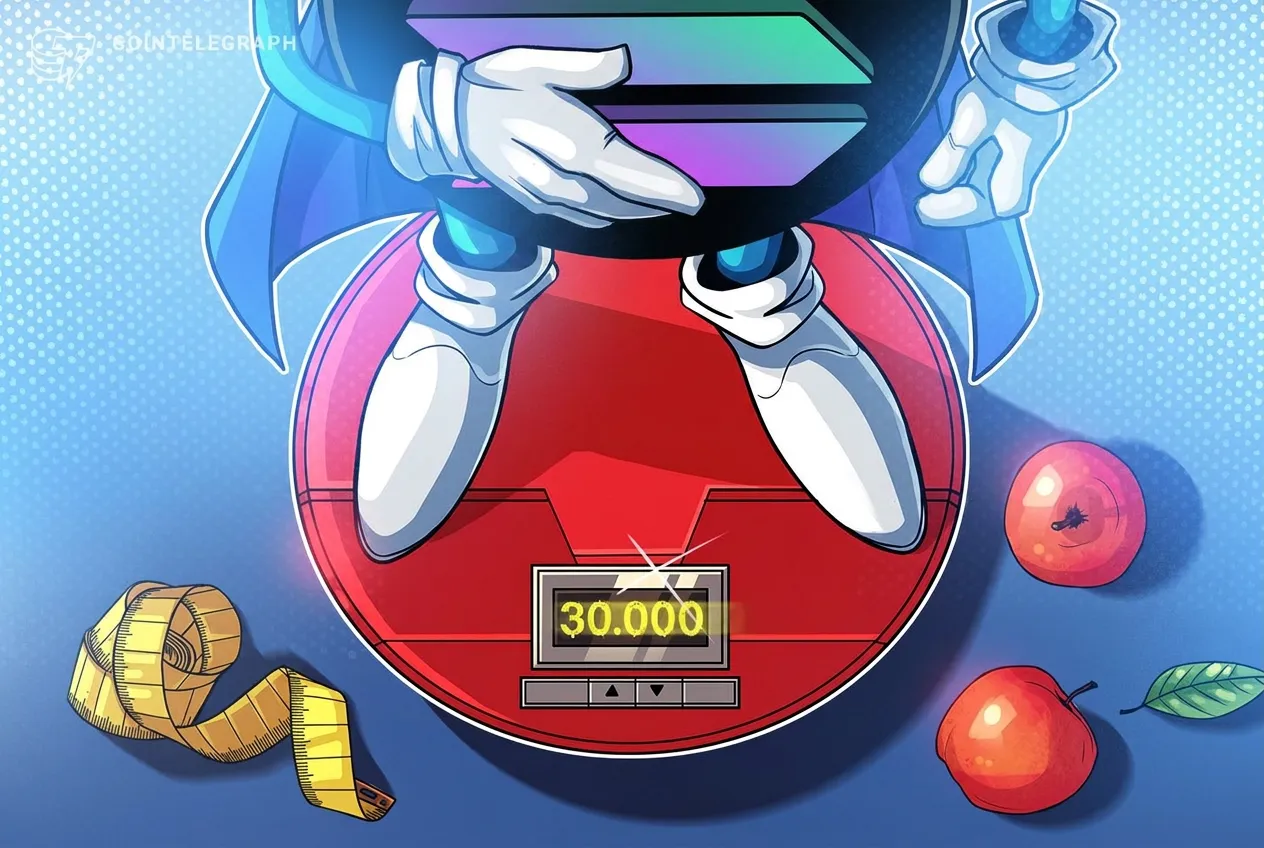
Solana validators have approved a proposal to double the networks annual disinflation rate, reducing future SOL issuance.  According to finalized voting results, the proposal received 67% support, with 25.16% voting against and 7.84% abstaining. Overall participation reached 60.7% of eligible stake.  The proposal, known as SGP-0002 or Double Disinflation, increases Solana‘s annual disinflation rate from 15% to 30%, while leaving the network’s long-term inflation target of 1.5% unchanged.  Under the new schedule, Solana is expected to reach its 1.5% terminal inflation rate in about 2.8 years, compared with roughly 5.7 years under the previous schedule, Solana Compass reported. The change would result in an estimated 18.9 million fewer SOL being issued over the next six years, reducing dilution for SOL holders but also lowering staking rewards for validators and delegators.  SGP-0002 passed with 67% support and 60.7% participation. Source: Solana Governance  The vote was part of Solanas first binding governance process, which also approved a proposed Solana Constitution while rejecting a separate proposal on resource and inclusion fees.  Some of the largest participants were divided over SGP-0002. Figment, the largest voter shown in finalized governance data with 17.1 million SOL staked, voted entirely against the measure, while Helius and Jupiter overwhelmingly backed it.  Kraken was among those

08-29Industry

Hyperliquid Unlock: $1.2B In HYPE Releases, Half To Insiders

Quick Take  1.Hyperliquid releases 14,175,778 HYPE on August 29, worth roughly $1.2 billion, its largest monthly unlock since the November 2024 launch and about 1.4% of total supply.  2.Insiders and early investors receive 46.6% of the release, against 46.3% to the community and 7% to the Hyper Foundation, a split that differs materially from the August 6 unlock this site covered.  3.HYPE trades at $81.95, down 3.28% on the day but still 8.33% higher on the week, having set a record above $83 earlier this week.  Hyperliquids largest scheduled token release arrives on August 29, three days after HYPE reached an all-time high. The event puts 14,175,778 tokens into circulation, roughly $1.2 billion at current prices, and the destination of those tokens matters more than the headline figure.  HYPE trades at $81.95, down 3.28% over 24 hours, per CoinGecko. The broader market is soft, with 87 of the QC 100 constituents declining and total crypto capitalization at $2.64 trillion.  Discover more  Compare Index ETFs  NEWS  Track Market Trends  How big is the August 29 Hyperliquid unlock?  14,175,778 HYPE, about 1.4% of the one billion total supply and roughly 2.7% of current market capitalization, worth approximately $1.2 billion.  That is the largest of Hyperliquids monthly releases since the token launched in November 2024.

08-29Industry

Five Years Later: Inside The World That Made Kanye West‘s ’Donda

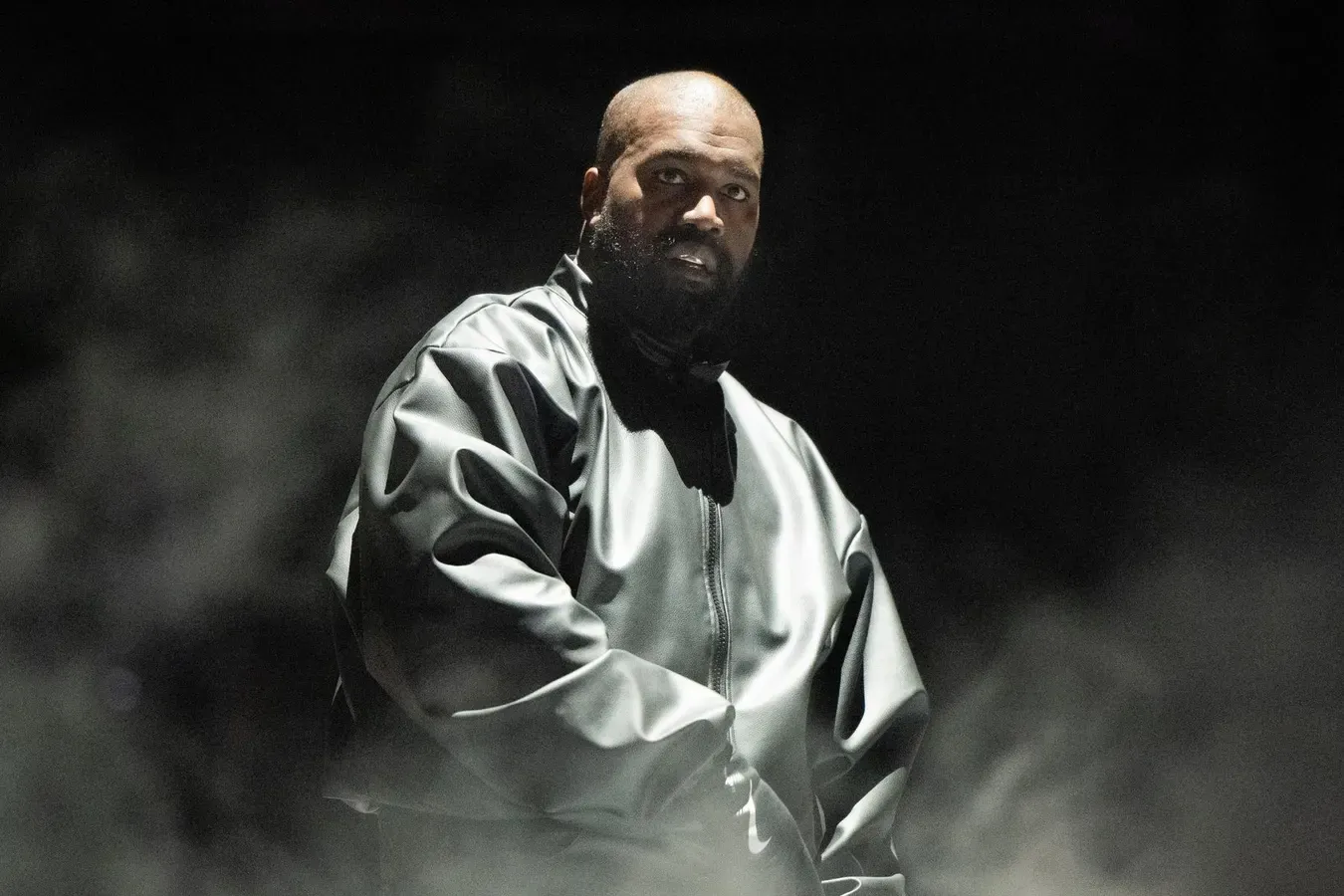
INGLEWOOD, CALIFORNIA – MARCH 14: Rapper Kanye West performs onstage during the “Vultures 1” playback concert during Rolling Loud 2024 at Hollywood Park Grounds on March 14, 2024 in Inglewood, California. (Photo by Scott Dudelson/Getty Images)  Getty Images  In the summer of 2021, as the world began emerging from the isolation of the COVID-19 pandemic, Kanye West returned to the stage—but not simply to perform. Inside Atlantas Mercedes-Benz Stadium, West transformed the venue into a temporary creative universe, working on an album that was still taking shape as thousands of fans waited outside and millions more watched from home. Donda, named for his late mother, became one of the defining musical events of that strange summer: part album, part live experiment, part cultural phenomenon.  What made the process extraordinary was that the stage itself became the studio. Five years later, the people who helped bring Donda to life offer a glimpse behind the albums creation—and into a process where the boundaries between performance, recording and audience largely disappeared.  ATLANTA, GEORGIA – JULY 22: Kanye West is seen at ‘DONDA by Kanye West’ listening event at Mercedes-Benz Stadium on July 22, 2021 in Atlanta, Georgia. (Photo by Kevin Mazur/Getty Images for Universal Music Group)  Getty Images

08-29Industry

Can Bitcoin's price finally reverse the curse of September in 2026?

With just 3 days to go before September starts, there is a different kind of fear in the crypto market. Though August saw Bitcoins rally breaking its long-standing resistance level, the coming month is already igniting FUD (fear, uncertainty, and doubt).  Will September 2026 be different for Bitcoin?  According to CryptoQuant, September could be a difficult month for both U.S stocks and Bitcoin [BTC] in 2026. However, investors should not assume that Bitcoin will automatically fall just because it is September.  Source: CryptoQuant  This, because it is not necessary that historical seasonality mean September will be bearish every year.  For context, Bitcoins September weakness was particularly notable from 2017 through 2022, when BTC posted six consecutive negative September returns. However, the pattern weakened considerably afterwards, with positive September closes in 2023, 2024, and 2025.  In fact, with strong spot and ETF demand, there is hope that the September effect could once again fail to materialize in 2026. Just like Bitcoin, there is a historical tendency of U.S stocks to underperform in September.  Discover more  Selecting Payment Gateways  Finance  Choosing Cloud Hosting  In fact, over the last 50 years, the S&P 500 has averaged around -0.8% in September.  Are metrics in favor?  At the same time, the Coinbase Premium Index recovering to 0.00 after

08-29Industry

The Japanese Yen gives up the big figure intervention won back

Japan delivered the inflation and labour data the Bank of Japan needs to move next month and the Japanese Yen is weaker for a fifth consecutive session. Tokyo Consumer Price Index (CPI) inflation excluding food and energy reached 2% in August, the headline rate rose to 1.9%, and unemployment fell to 2.4% against a 2.5% forecast. USD/JPY takes the 160.00 handle regardless, at the high of the day.  The print the Bank of Japan needed  The measure policy actually follows, Tokyo prices excluding fresh food, rose 1.8% against a 1.7% consensus and a 1.7% prior, a third consecutive month of acceleration. Government electricity and gas subsidies, reinstated as the Gulf supply disruption pushed fuel costs higher, will suppress the headline rate through the October data, which makes the 2% reading on the ex-energy measure the honest one. Unemployment at 2.4% is the lowest in a year.  Wire reporting through the month has the policy board weighing an increase on September 18 and considering a faster pace than the roughly twice-yearly cadence it has kept since 2024, when it began unwinding a decade of stimulus. Five-year Japanese government bond yields have printed a record high on that speculation, and the June move took the

08-29Industry

US Dollar Index rallies as Warsh boosts September hike odds

The US Dollar Index (DXY) rallies on Friday, gaining 0.36% to trade around 99.50 at the time of writing, as Federal Reserve (Fed) Chair Kevin Warshs hawkish remarks at the Jackson Hole Symposium prompt investors to sharply reassess the outlook for US interest rates.  The US Dollar (USD) gains ground after Warsh stresses that price stability should remain the central bank‘s predominant focus. The Fed Chair said policymakers need to be confident that underlying inflation is moving toward the central bank’s objective and warned that they still “have work to do” if this is not the case.  On inflation, Warsh acknowledged that data released during the summer have been better than expected but said they are not sufficient to demonstrate a meaningful shift in underlying price dynamics. He reiterated that the Feds 2% Personal Consumption Expenditures (PCE) inflation target remains “firm and fixed.”  At the same time, the Fed Chair offered an upbeat assessment of the United States (US) economy. Warsh said economic activity appears to have strengthened, describing consumer spending as healthy and the labor market as stable, while pointing to rapidly increasing business investment.  The combination of resilient economic activity and persistent inflation concerns triggered a significant repricing of monetary policy expectations.

08-29Industry

Forecasting the upcoming week: Busy week with focus on the US labour market

The US Dollar (USD) has managed to regain composure and trim part of the severe sell-off that kicked in in late mid-July. The absence of relevant news from the Middle East has motivated investors to shift their attention to the US money market as well as data releases, while Chair Warshs hawkish message at the Jackson Hole Symposium boosted the demand for the buck at the end of the week.  Discover more  Comparing Top ETFs  Tracking Market News  Finance  The US Dollar Index (DXY) has ended the week in the upper end of the range, reclaiming the 99.00 barrier and well beyond, helped by a decent recovery in US Treasury yields across the curve as well as steady uncertainty surrounding the US-Iran-Hormuz conflict and the resurgence of the Fed‘s tighter-for-longer narrative. The Dallas Fed Manufacturing Index is due on August 31. The ISM Manufacturing PMI takes centre stage on September 1 alongside JOLTs Job Openings, Construction Spending, the final S&P Global Manufacturing PMI, the Dallas Fed Services Index and the API’s weekly report on US crude oil stockpiles. On September 2, the ADP Employment Change, weekly MBA Mortgage Applications, Factory Orders and the EIAs weekly report on US crude oil inventories all precede the release

08-29Industry

The Canadian Dollar falls on the best quarter since 2023

Canada produced the strongest growth figure of the cycle and the Canadian Dollar (CAD) is weaker for it. Gross Domestic Product (GDP) rose 3.3% annualized in the second quarter, the fastest pace since early 2023 and comfortably above the 2.5% the Bank of Canada had forecast, while a revision to the first quarter erased the technical recession that had framed every rate discussion in Ottawa since May. USD/CAD trades just beneath 1.3900 on Friday regardless.  A quarter that ended before the tariff arrived  The composition of the report is stronger than the modest headline miss against a 3.4% consensus suggests. Exports rose 3.6% on the quarter, the largest increase in three years, led by a 27% jump in shipments of passenger cars and light trucks as domestic auto production recovered from two quarters of decline. Business capital investment rose 2.3% and broke a five-quarter losing streak, and June activity added 0.3% against a 0.2% forecast.  None of it describes the economy currently trading. The quarter ended June 30, seven weeks before a 50% American duty landed on roughly C$27.6 billion of Canadian goods on August 22, and before Ottawas matching measures take effect September 8. Statistics Canada already has July output flat and

08-29Industry
1
...
255257
...
1000