Exchanges with 24H trading volume exceeding 18.11%
$11,610,000
17.41% 





No Regulatory License
Be aware of the risks!
Exchanges with 24H trading volume exceeding 18.11%
| Currency/Name | Trade | Unit Price | Change | 24H Vol | +2%/-2% Market Depth | Liquidity |
|---|---|---|---|---|---|---|
| iUSDT/USDT | $1.00 | 0.07% | $483,420.57 | --/-- | 548.78 |
| DASH/USDT | $41.85 | 3.64% | $11,362.49 | --/-- | 550.73 |
| USDC/USDT | $1.00 | 0.11% | $6,841.45 | --/-- | 414.19 |
| ETH/USDT | $2,507.67 | 2.83% | $2,259.65 | --/-- | 540.1 |
| NPRO/USDT | $0.34526772 | 54.98% | $1,962.37 | --/-- | 368.74 |
What is NEAR?
NEAR allows users to exchange tokens across any blockchain via NEAR Intents.
Platform Features
Users submit an intent, and a solver provides the best price and completes the exchange through secure on-chain execution, focusing on a cross-chain, intent-driven token exchange experience.
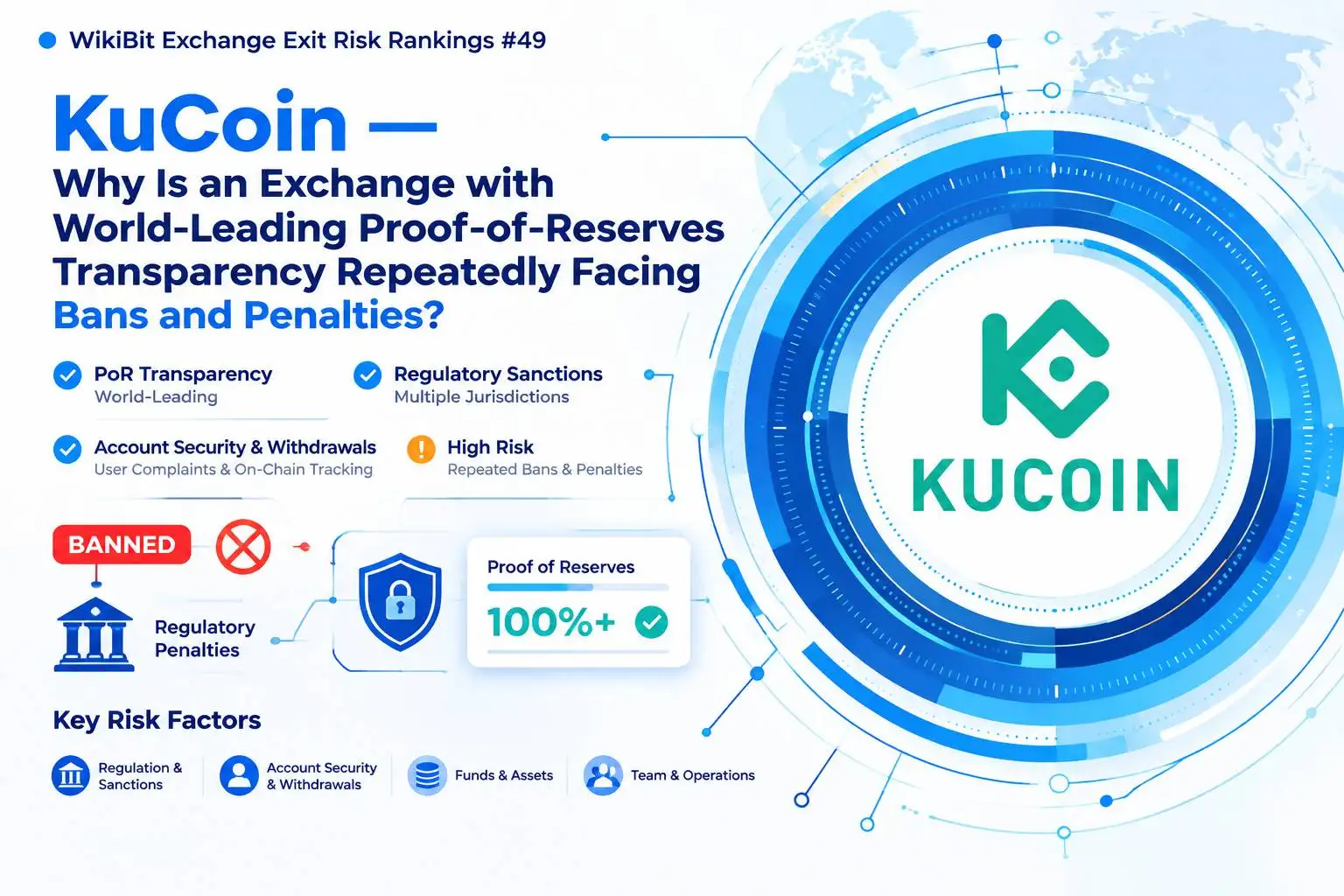
Introduction: An “A-Student” Report Card on Regulatory Compliance In the first 48 installments, we investigated a range of exchanges, from HashKey to MEXC. For Episode 49, we turn to one of the most strikingly contradictory cases: KuCoin. In terms of transparency, KuCoin has delivered one of the most impressive performances in the crypto industry. Founded in 2017, it received a Proof-of-Reserves (PoR) transparency score of 96.7 out of 100 from CryptoQuant in 2025, ranking first globally. It has published Merkle tree-based Proof-of-Reserves reports for more than 39 consecutive months, undergone third-party verification by Hacken, and held a 6.69% share of the global spot market in Q1 2026, placing it among the worlds top three exchanges. But there is another side to the story. On October 13, 2026, South Koreas Financial Intelligence Unit (FIU) officially blocked access to KuCoins website, extending restrictions beyond its app to the web platform. The UKs Financial Conduct Authority (FCA) listed KuCoin as an unauthorized firm. In January 2025, KuCoin pleaded guilty to charges brought by the U.S. Department of Justice (DOJ), agreeing to pay more than $297 million in penalties and admitting to receiving billions of dollars in suspicious funds between 2017 and 2024. The Commodity Futures Trading Commission
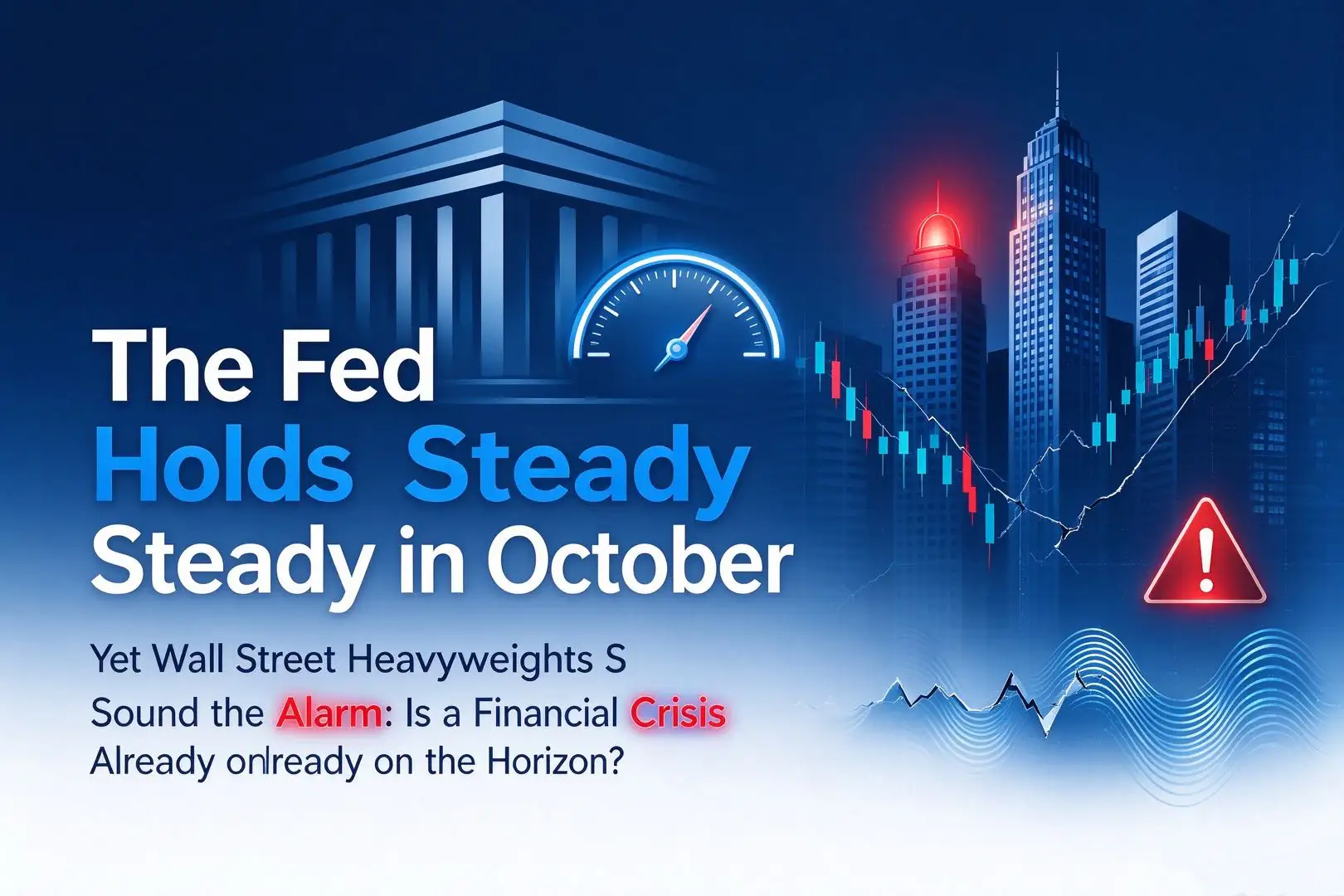
Bitcoin is stuck around $80,000, ETH around $2,300, and SOL near $100. They seem unable to break higher or move lower—like sprinters waiting for the starting gun. And this week is certainly packed with potential market-moving events: October 29, 2:00 a.m. Beijing time (Thursday): Federal Reserve interest rate decision October 29, 8:30 p.m.: U.S. PCE inflation data October 29, 9:15 p.m.: European Central Bank interest rate decision October 30, 11:00 a.m. (Friday): Bank of Japan interest rate decision Each starting gun could send markets sprinting in either direction, triggering a sharp rally or a sudden sell-off. The biggest event is the Feds decision on October 29. The prevailing expectation is that it will leave rates unchanged, maintaining the federal funds rate at 3.75%–4.00%. On the surface, that sounds like a chance for markets to catch their breath. Yet almost simultaneously, another group of voices is raising the alarm: the probability of a global financial crisis over the next six months to two years may be increasing. This creates an apparent contradiction: If central banks are standing pat, why are financial heavyweights growing more nervous? The answer lies in a simple observation: The Feds pause does not mean the risks have disappeared. It may simply mean the central bank is
On October 12, 2026, the Financial Stability Board published a note for the G20 on cross-border vulnerabilities in global stablecoin arrangements. Its most useful contribution is a practical failure scenario: a token may circulate across borders every hour of the week, while the assets and legal entities backing its redemption are spread across jurisdictions with different banking hours, insolvency regimes and supervisory powers. The FSB describes the global stablecoin market as approximately $300 billion in mid-2026, with around 99% pegged to the US dollar. Those are the reports historical estimates, not a live market-capitalization reading for October 13. More importantly, the board says these arrangements have not been tested through severe stress or the insolvency of a major issuer. The report is an analysis and monitoring document. It does not impose a new ban, licensing deadline or binding redemption rule.A redemption request is more complicated than a blockchain transfer Sending a dollar stablecoin from one wallet to another generally does not require banks to be open. Redeeming that same token for bank money does. The issuer must determine who has the legal right to redeem, access eligible reserves, pass operational and compliance checks and deliver fiat to the claimant. Consider a hypothetical token