Trade TypeP2P
InstrumentP2P
Supported Fiat
Minimum Deposit$1
Payment MethodBank Transfer、Revolut、WISE、WebMoney、Zelle、skrill、AirTm、Volet.com、Google Pay、ABA、ACLEDA Bank、payeer、zen





No Regulatory License
Be aware of the risks!

Platform: BitMart (币市) Issue: The platform announced an orderly shutdown. After submitting a normal withdrawal request for my account assets, it has been pending review for a long time. Customer service provided no effective handling, and the funds cannot be withdrawn. Withdrawal submission time: July 26, 2026, 11:22:56 Asset type and amount: 10.49 SOL Attachment: Account screenshot, withdrawal record screenshot

The BitMart user interface really gives me a headache. It's so complicated that I don't even know what to do. When it comes to innovation, it must first be understood by others. The fees are quite high.

BitMart is not registered with the U.S. Securities and Exchange Commission (SEC)
BitMart's security system is unreliable! My account was hacked & they did nothing. Really high trading fees too!
| Currency/Name | Trade | Unit Price | Change | 24H Vol | +2%/-2% Market Depth | Liquidity |
|---|---|---|---|---|---|---|
| BTC/USDT | $79,039.57 | 2.23% | $203,991,855.33 | $4.34M/$3.96M | 996 |
| SOL/USDT | $96.29 | 1.18% | $42,521,486.01 | $329.03K/$343.70K | 665 |
| BNB/USDT | $705.07 | 0.86% | $7,675,312.38 | $420.75K/$428.40K | 630 |
| ETH/USDT | $2,480.72 | 1.43% | $4,809,033.89 | $219.85K/$189.52K | 718 |
| BMX/USDT | $0.05256542 | 5.92% | $890,003.37 | $375.46/$253.95 | 73 |
| USDC/USDT | $1.00 | 0.03% | $410,730.93 | $925.84K/$1.17M | 735 |
| PEPE/USDT | $0.000004 | 2.44% | $18,961.94 | $1.45M/$1.25M | 582 |
| DOGE/USDT | $0.08850913 | 4.99% | $16,185.72 | $1.25M/$1.55M | 711 |
| PENDLE/USDT | $1.82 | 13.67% | $12,428.4 | $132.29K/$131.26K | 487 |
| ADA/USDT | $0.21872356 | 2.82% | $10,697.59 | $394.29K/$310.12K | 533 |
What Is BitMart?
BitMart is a premier global digital asset trading platform serving 12+ million registered users worldwide, providing numerous trading and investment features, including spot trading, earn products, lending, derivatives, as well as margin and futures with up to 200x leverage. This broad product suite makes BitMart a flexible platform for newcomers who want simplicity and for experienced traders who need more advanced tools and strategies.
Beyond trading, BitMart provides a user-friendly interface, a robust mobile app, a comprehensive knowledge base, secure wallet services, AI-powered tools, and the BitMart Card—making it a feature-rich platform with a leading and diversified product ecosystem. Built with an advanced multi-layer, multi-cluster system architecture, BitMart is designed to support strong security, stability, and scalability. In 2018, the platform also introduced its ecosystem token, BMX, as an ERC-20 asset.
Who Are the BitMart Founders?
BitMart was founded by Sheldon Xia, who led the company from its early-stage buildout into a global trading platform.
As Founder and Group President (formerly CEO), Sheldon drives BitMart’s long-term strategy, product innovation, and its ongoing focus on platform security and resilient infrastructure, while advancing the exchange’s global growth roadmap.
When Did BitMart Launch?
BitMart was founded in 2017, and the platform launched publicly in March 2018.
Where Is BitMart Located?
BitMart operates as a global cryptocurrency exchange with offices and teams across multiple regions.
BitMart Restricted Countries
The global cryptocurrency exchange provides real-time trading services across a wide range of international markets.In late 2025, BitMart US was launched to operate in accordance with applicable regulatory and compliance requirements.
Under BitMart's User Agreement, BitMart does not provide services to residents of: Cuba, Crimea, Hong Kong, Iran, Korea (Democratic People’s Republic of), Kingdom of the Netherlands, the State of New York, and the so-called Donetsk People's Republic (DNR) or Luhansk People's Republic (LNR). Always refer to BitMart's official User Agreement and compliance updates to verify eligibility in your jurisdiction.
What Coins Are Supported on BitMart?
The platform features more than 1700+ crypto assets and 460+ perpetuals, among popular coins: BTC, ETH, SOL, XRP, LTC, DOGE, SHIB, PEPE and more. Users can buy and sell crypto in a few steps on BitMart. Choose credit, debit cards , ApplePay, SEPA or other methods from more than 70 payment options.
How Much Are BitMart Fees?
BitMart offers a competitive tiered fee structure under a Maker-Taker model. Trading fees start at 0.1% for both Makers and Takers and are determined by a user's 30-day trading volume (measured in BTC) and BMX token holdings. BitMart does not charge deposit fees. Withdrawal fees vary by asset. Refer to the Fee Structure for more details.
Is It Possible To Use Leverage or Margin Trading on BitMart?
BitMart’s futures trading feature was officially launched in 2020. Subject to applicable eligibility requirements, jurisdictional restrictions, and user qualification criteria, BitMart offers futures and margin trading services. Where permitted, futures trading supports adjustable leverage of up to 200x.
Echo Base formed an ad hoc committee of BitMart claimholders on Sept. 2, following the crypto exchanges decision to wind down its operations. In a statement shared directly with crypto.news, Echo Base said the committee represents a “significant and growing aggregate balance” of frozen customer assets. It did not disclose the number of participating claimholders or the value of their claims. The special situations firm said the group retained Young Conaway Stargatt & Taylor and Ashbury Legal. The committee is considering restructuring, regulatory and insolvency remedies. Echo Base says its $10 million offer went unanswered Echo Base said it submitted a written proposal to BitMart management on Aug. 6. The proposal offered up to $10 million to sponsor a pre-negotiated bankruptcy filing. According to the statement, the money would cover professional and administrative expenses through confirmation of a restructuring plan. Echo Base said BitMart did not respond. Crypto.news could not independently verify the communications between the companies. Echo Base also described a dispute involving one of its affiliates. It said the affiliate requested a withdrawal on July 24, approximately 31 hours before BitMart announced its closure. The affiliate allegedly made 15 attempts to contact the exchange before delivering a formal demand on Aug. 8. Echo Base said
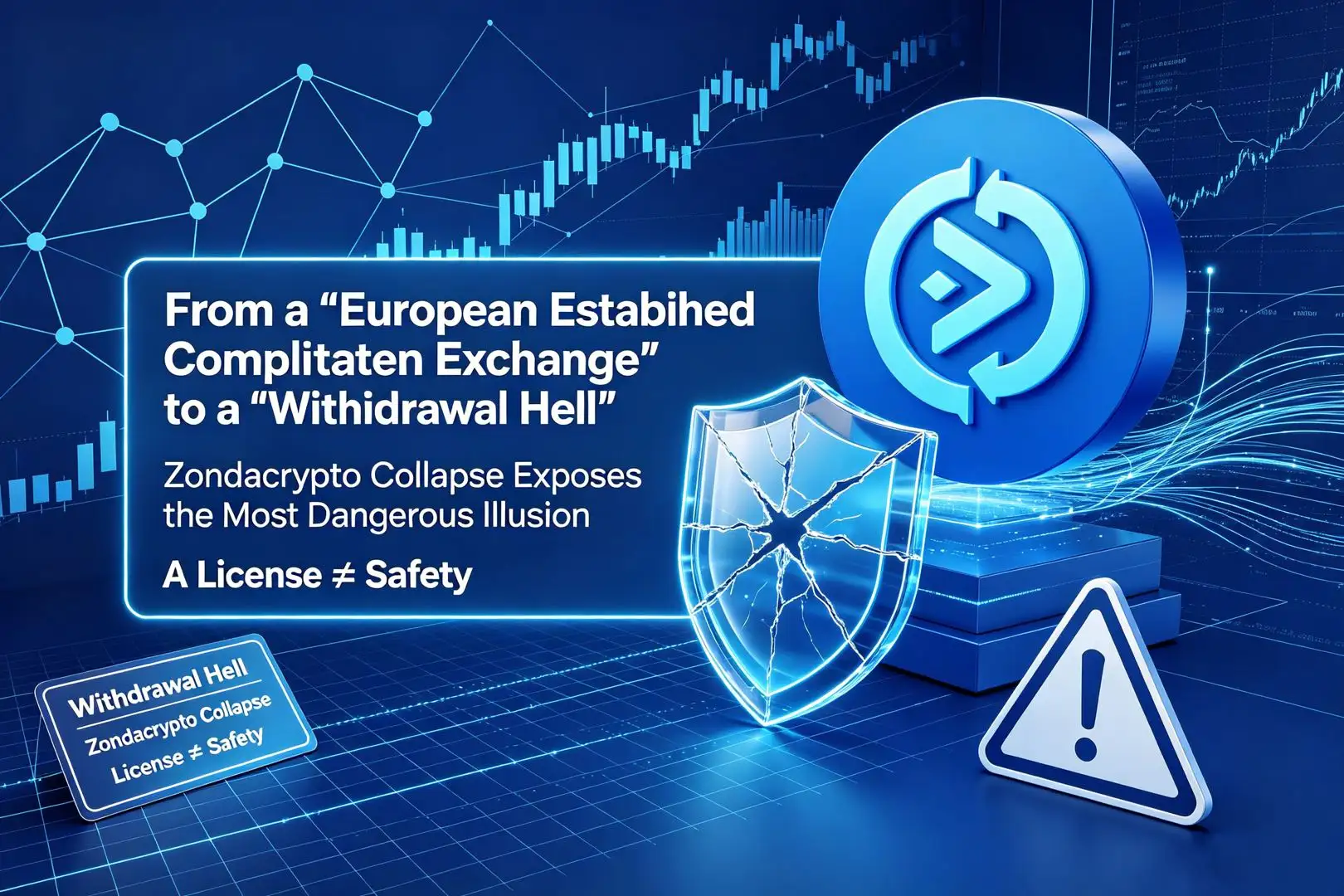
As more and more small and mid-sized crypto exchanges disappear or collapse, many investors choose trading platforms based on a few simple questions: Is it compliant? Does it have a license? How long has it been operating? How many users does it have? However, the widely discussed Zondacrypto collapse has taught the crypto industry a painful lesson: The most dangerous exchanges are often not the small platforms that suddenly appear overnight — because users already know they look suspicious. The real danger comes from platforms hiding behind the image of “compliance, reputation, and a large user base.” After BitMart and BitMEX, two once-established crypto exchanges that faced shutdowns and major controversies, the spotlight has now turned to Zondacrypto — a long-standing European exchange once considered a compliant industry player. This means the worlds three major crypto markets — China, the United States, and Europe — have now all experienced major exchange failures. But Zondacryptos collapse introduced a new and disturbing twist: The founder allegedly disappeared years before the exchange collapsed. The platform continued operating as usual for years. Only when the massive funding gap became impossible to cover did the second-in-command CEO also disappear. This $650 million scandal, affecting tens of thousands of investors, has exposed major weaknesses in Europes crypto regulatory
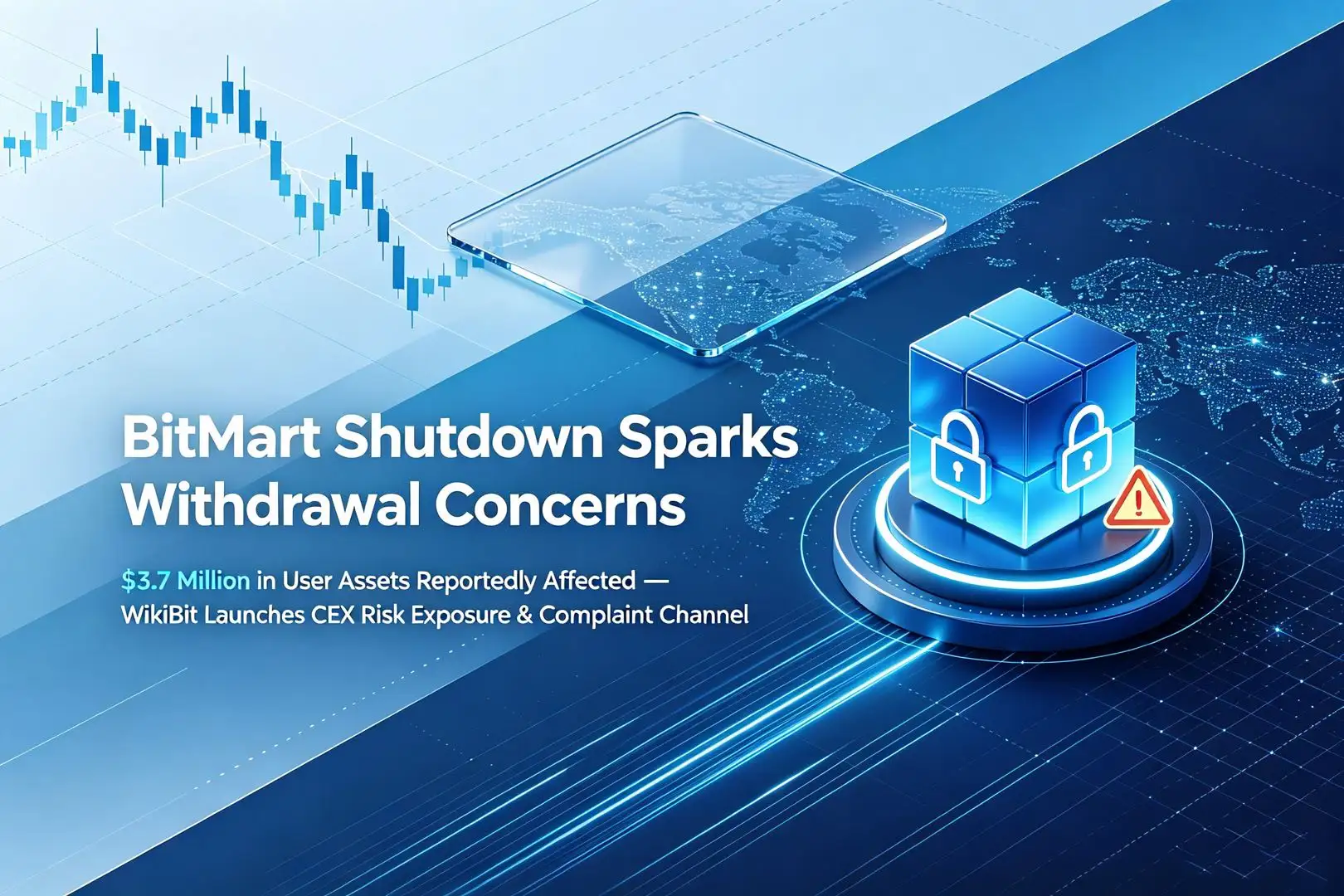
After BitMart announced its orderly shutdown on July 26, an increasing number of users have reported issues in recent days, including withdrawal difficulties, delayed withdrawals, abnormal account balances, and unresponsive customer support. On July 30, affected BitMart users with significant asset exposure established a joint communication group and completed an initial registration process. According to the preliminary records, 27 users reported being unable to withdraw their funds normally, with total affected assets reaching approximately 3,704,214 USDT. The largest reported individual asset amount reached 700,000 USDT, while several other users reported account balances ranging from 100,000 USDT to 600,000 USDT. Screenshots from the original accounts of just seven users showed a combined balance of 1,692,203.67 USDT. Screenshot of BitMart Users Unable to Withdraw Funds (Source: @MINGLIbtc) Centralized exchanges (CEXs) play a critical role in custodying user assets, facilitating trades, and providing withdrawal services. However, over the past few years, the crypto industry has witnessed multiple exchange risk events. From the collapse of major exchanges to withdrawal difficulties faced by smaller platforms, ordinary users are often the ones who suffer the greatest impact in the end. When such incidents continue to occur, how can users better protect their asset rights and interests?BitMart Shutdown: $3.7 Million in User Assets