Smarter Web Company Plans First UK Bitcoin-Backed Preferred Shares
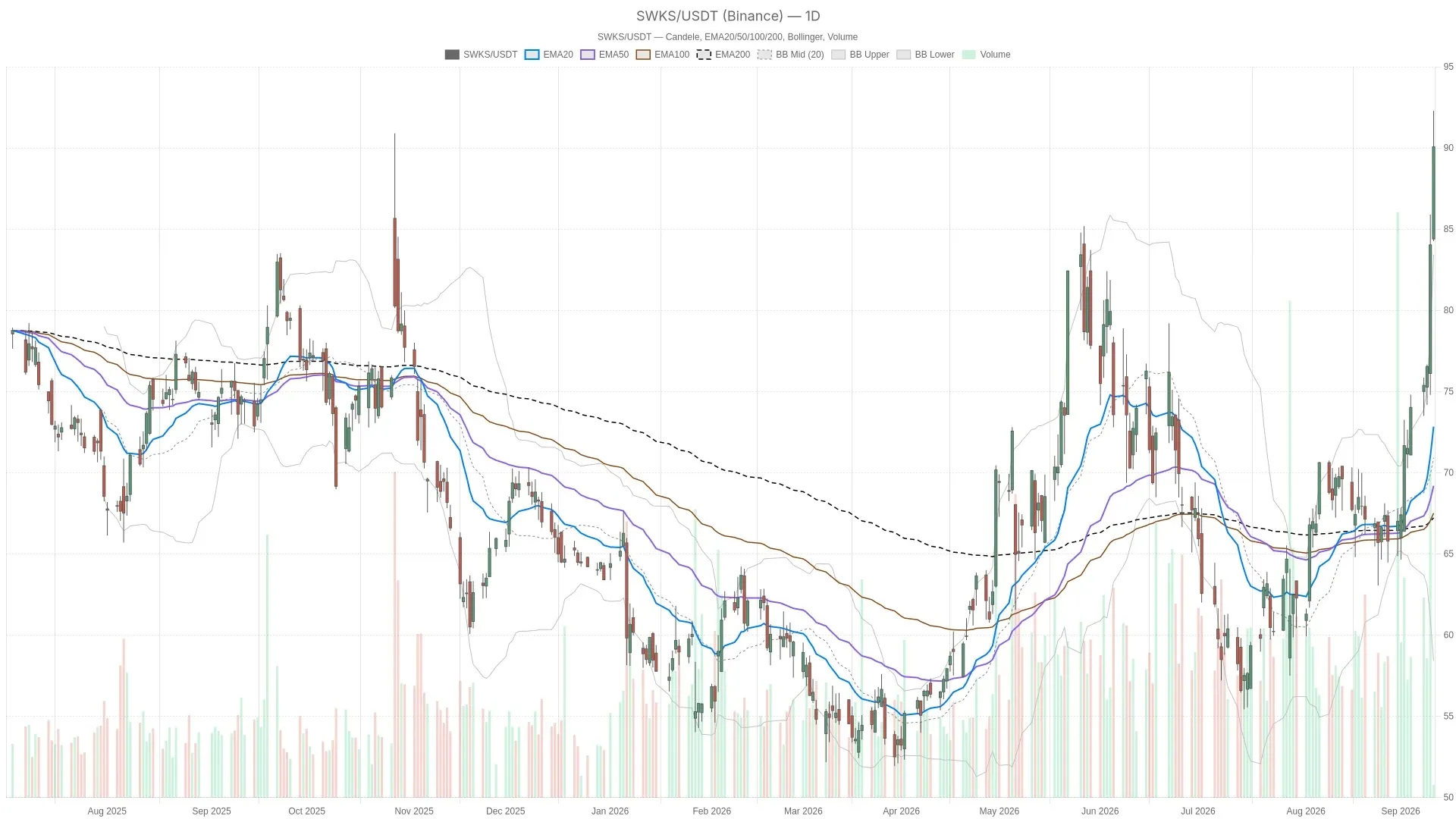
TLDR:The Smarter Web Company targets a £15-25 million raise through new MORE preferred shares.The firm holds about 2,747 BTC, the UKs largest public Bitcoin treasury position.Preferred Shares would carry no voting rights but include a liquidation preference.A General Meeting for Ordinary Shareholders is scheduled for September 28, 2026 in Bristol. The Smarter Web Company confirmed plans for a new class of preferred shares tied to its Bitcoin holdings. The UK firm disclosed the move in a Regulatory News Service announcement on September 11, 2026. Approval from the Financial Conduct Authority remains a condition before any listing proceeds. The company already holds the largest public Bitcoin treasury in the United Kingdom. Smarter Web Company Eyes £15-25 Million Bitcoin Treasury Raise The reserved ticker for the new instrument is “MORE.” The company expects to raise between £15 million and £25 million if the offering goes ahead. Proceeds would support the firms ongoing Bitcoin accumulation strategy, known internally as its 10-Year Plan. Discover more Digital Currencies Brokerages & Day Trading Stocks & Bonds The Smarter Web Company describes the shares as a potential first. No other UK-incorporated company has issued a sterling-denominated, London Stock Exchange Main Market perpetual preferred share backed by a Bitcoin treasury. That claim sits at the center of Wednesdays announcement. CEO