




āļŠāđāļāļ™āđ€āļžāļ·āđˆāļ­āļ”āļēāļ§āļ™āđŒāđ‚āļŦāļĨāļ”
āļ•āļĢāļ§āļˆāļŠāļ­āļšāļĢāļ°āđ€āļšāļĩāļĒāļšāļāļēāļĢāđāļĨāļāđ€āļ›āļĨāļĩāđˆāļĒāļ™āļ„āļĢāļīāļ›āđ‚āļ•

Malaysia Will Not Adopt Bitcoin as Legal Tender, Government Says

āļšāļ—āļ„āļąāļ”āļĒāđˆāļ­:Malaysia’s deputy finance minister has clarified that the government will not adopt cryptocurrency as legal tender. “Cryptocurrencies like bitcoin are not suitable for use as a payment instrument due to various limitations,” he said.

Bitcoin Will Not Be Legal Tender in Malaysia, Says Deputy Finance Minister

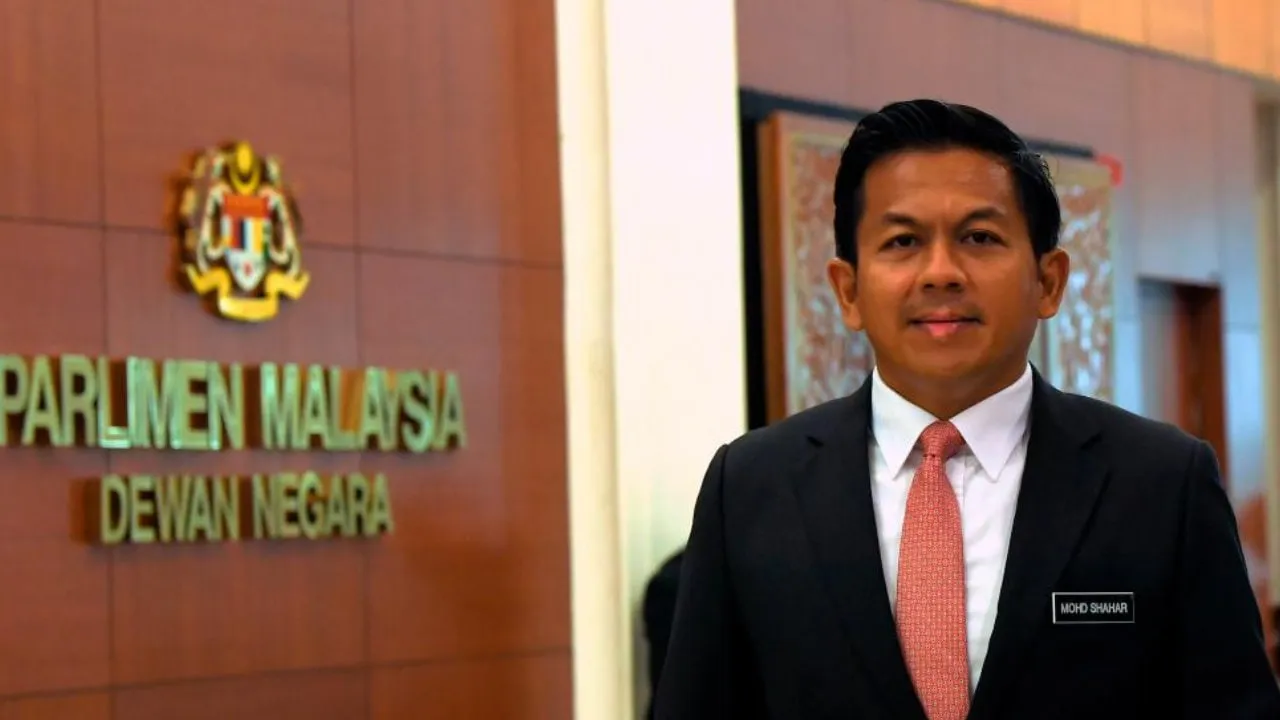
Following reports that a high-ranking government official has proposed adopting cryptocurrency as legal tender in Malaysia, the government clarified in parliament Thursday that it has no intention of making cryptocurrency legal tender in the country, Bloomberg reported.

Deputy Finance Minister Mohd Shahar Abdullah said in parliament:

Cryptocurrencies like bitcoin are not suitable for use as a payment instrument due to various limitations.

He named price swings and exposure to cyber threats as examples of the limitations of cryptocurrencies.

His statement echoes another he made earlier this month about cryptocurrency. “Digital assets, such as bitcoin and ethereum, are not suitable to be used as a payment instrument,” the deputy minister stressed, adding that “In general, digital assets are not a store of value and a good medium of exchange.”

The deputy finance minister further told parliament Thursday:

The growing technology and payment landscape have prompted Bank Negara Malaysia to actively assess the potential of â€Ķ the central banks digital currency.

Earlier this week, Deputy Communications and Multimedia Minister Datuk Zahidi Zainul Abidin reportedly proposed adopting cryptocurrency as legal tender in Malaysia. However, there are conflicting reports about what he actually said. According to Malaysian national news agency Bernama, the minister merely proposed legalizing non-fungible tokens (NFTs) to boost participation in the crypto sector.

āļ‚āđ‰āļ­āļˆāļģāļāļąāļ”āļ„āļ§āļēāļĄāļĢāļąāļšāļœāļīāļ”āļŠāļ­āļš

āļĄāļļāļĄāļĄāļ­āļ‡āđƒāļ™āļšāļ—āļ„āļ§āļēāļĄāļ™āļĩāđ‰āđāļŠāļ”āļ‡āļ–āļķāļ‡āļĄāļļāļĄāļĄāļ­āļ‡āļŠāđˆāļ§āļ™āļ•āļąāļ§āļ‚āļ­āļ‡āļœāļđāđ‰āđ€āļ‚āļĩāļĒāļ™āđ€āļ—āđˆāļēāļ™āļąāđ‰āļ™āđāļĨāļ°āđ„āļĄāđˆāļ–āļ·āļ­āđ€āļ›āđ‡āļ™āļ„āļģāđāļ™āļ°āļ™āļģāđƒāļ™āļāļēāļĢāļĨāļ‡āļ—āļļāļ™ āļŠāļģāļŦāļĢāļąāļšāđāļžāļĨāļ•āļŸāļ­āļĢāđŒāļĄāļ™āļĩāđ‰āđ„āļĄāđˆāļĢāļąāļšāļ›āļĢāļ°āļāļąāļ™āļ„āļ§āļēāļĄāļ–āļđāļāļ•āđ‰āļ­āļ‡āļ„āļĢāļšāļ–āđ‰āļ§āļ™āđāļĨāļ°āļ—āļąāļ™āđ€āļ§āļĨāļēāļ‚āļ­āļ‡āļ‚āđ‰āļ­āļĄāļđāļĨāļšāļ—āļ„āļ§āļēāļĄ āđāļĨāļ°āđ„āļĄāđˆāļĢāļąāļšāļœāļīāļ”āļŠāļ­āļšāļ•āđˆāļ­āļāļēāļĢāļŠāļđāļāđ€āļŠāļĩāļĒāđƒāļ” āđ† āļ—āļĩāđˆāđ€āļāļīāļ”āļˆāļēāļāļāļēāļĢāđƒāļŠāđ‰āļ‚āđ‰āļ­āļĄāļđāļĨāđƒāļ™āļšāļ—āļ„āļ§āļēāļĄ
āļšāļ—āļ„āļ§āļēāļĄāļāđˆāļ­āļ™āļŦāļ™āđ‰āļē

Sex Worker āļāļĨāļąāļšāļĄāļēāđ€āļŸāļ·āđ‰āļ­āļ‡āļŸāļđāļ­āļĩāļāļ„āļĢāļąāđ‰āļ‡āļŦāļĨāļąāļ‡āđ€āļāļīāļ”āļŠāļ‡āļ„āļĢāļēāļĄāļĢāļąāļŠāđ€āļ‹āļĩāļĒ

āļ–āļąāļ”āđ„āļ›

āļ•āļēāļĄāļŠāđˆāļ­āļ‡ āļ˜āļ™āļēāļ„āļēāļĢāđ„āļ—āļĒ x āđāļžāļĨāļ•āļŸāļ­āļĢāđŒāļĄāļ„āļĢāļīāļ›āđ‚āļ—āđ€āļ„āļ­āļĢāđŒāđ€āļĢāļ™āļ‹āļĩ