






Elliptic researchers received offers from over 90 China-based companies to supply fentanyl precursors, 90% of which accepted cryptocurrency payments. Most are Bitcoin and USDT.
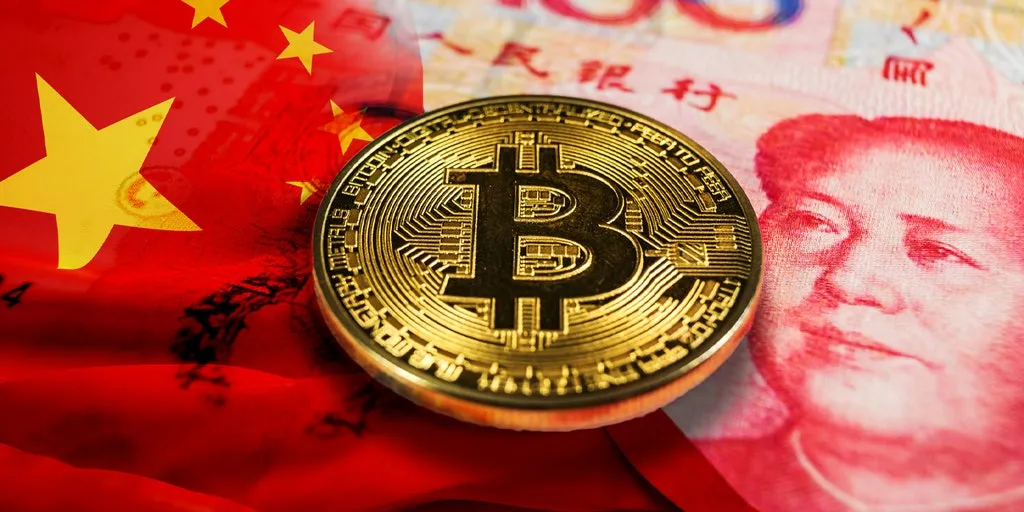
Recent research has found that cryptocurrency payments facilitate the illegal trade of fentanyl precursors in China. Elliptics blockchain analysis tools have identified over 90 Chinese chemical companies that accept cryptocurrency payments, with Bitcoin being the most popular, followed by Tether. Payments have increased by 450% year-on-year, and wallets have received over $27 million.
Fentanyl is a synthetic opioid used for pain relief, but its also highly addictive and dangerous, with a high potential for overdose. Fentanyl precursors, which are chemicals used to make fentanyl, are often sold by illegal traders to drug cartels for the production of this illicit drug. The fentanyl trade is extremely profitable for these cartels but also extremely dangerous for those who consume it.
Therefore, it‘s crucial to disrupt the trade of fentanyl precursors for crypto. This can be done by services that act as gateways into and out of crypto assets. Most crypto exchanges comply with anti-money laundering regulations and sanctions and use blockchain monitoring systems, such as those provided by Elliptic, to ensure they don’t facilitate illicit activity.
Elliptic has notified the exchanges used by these companies and flagged hundreds of crypto addresses in their tools as linked to this activity. This shows that cryptocurrencies can be exploited by those engaged in the deadly trade. Therefore, its important for the crypto industry to work with regulatory bodies to prevent using cryptocurrencies for illegal activities.
The use of cryptocurrencies for illegal activities has been a significant concern for regulatory bodies and law enforcement agencies. Cryptocurrencies offer anonymity and decentralization that make them attractive to criminals. However, the crypto industry has taken steps to address these concerns, developing more robust anti-money laundering regulations and monitoring tools.