






Source: Adobe
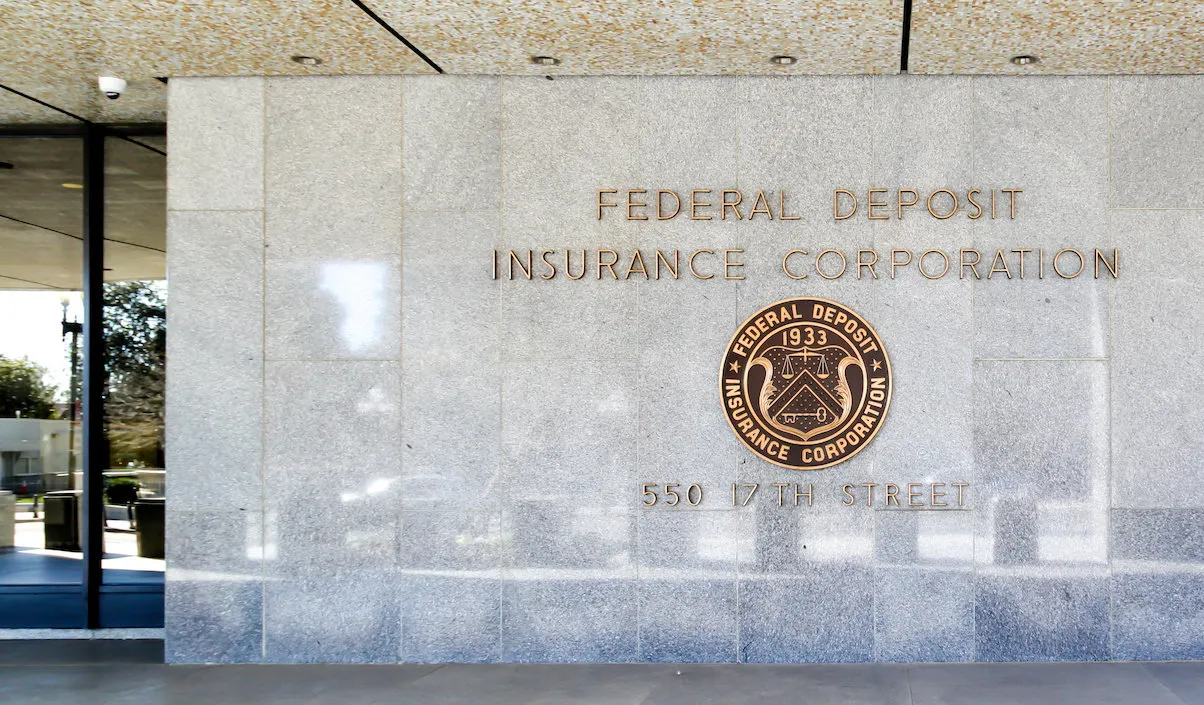
The US Federal Deposit Insurance Corporation sent a letter to OKCoin USA, Inc., demanding the cryptocurrency exchange take action to address false and misleading statements about its deposit insurance.
The FDIC sent three letters to OKCoin USA, Inc., Bodega Importadora de Pallets and Money Avenue LLC, on Thursday, making those demands, and warning that certain statements could harm consumers.
“The FDIC has observed an increasing number of instances online where firms or individuals have misused the FDICs name or logo, or have made false or misleading representations about deposit insurance,” said FDIC Chairman Martin J. Gruenberg in a statement. “These practices can confuse consumers about whether they are dealing with an insured institution and if they are protected by deposit insurance.”
Misleading statements
The FDIC said OkCoin and its senior executives made those misleading statements multiple times.
For example, OkCoin said in a post that it was “licensed across the US with FDIC insurance on OKCoin accounts,” the FDIC said.
The agency also said the exchanges chief marketing officer tweeted that an affiliated exchange offered FDIC insurance.
The FDIC ordered the exchange to remove all statements that imply that OKCoin is FDIC-insured, that the FDIC has ever endorsed any particular blockchain, among other remedies.
The exchange has 15 business days to send the FDIC written confirmation that it complied with requests.
The FDIC only insures deposits held at insured banks and savings associations, not at crypto companies, and can insure up to at least $250,000.
In a July 2022 fact sheet, the agency also noted that deposit insurance does not apply to financial products such as stocks, bonds, commodities or crypto assets.
“In addition to potential consumer harm, customer confusion can lead to legal risks for banks if a crypto company, or other third-party partner of an insured bank with whom they are dealing, makes misrepresentations about the nature and scope of deposit insurance,” the FDIC said in a related advisory last year.