






Russias central bank governor, Elvira Nabiullina, confirmed that the country was prepared to roll out its central bank digital currency (CBDC) in two months, following the timeline it laid out last year.
According to a Thursday report from Russian state media outlet RIA Novosti, Nabiullina said that “everyone is ready” for a Sept. 1 digital ruble launch. The CBDC will launch as a complement to Russias fiat currency, the ruble, and will initially be accepted by financial and credit institutions.
“We want the digital ruble to be in demand by people and businesses, to be convenient, and, of course, we're constantly discussing [...] what functionality to develop,” said Nabiullina in a translated statement.
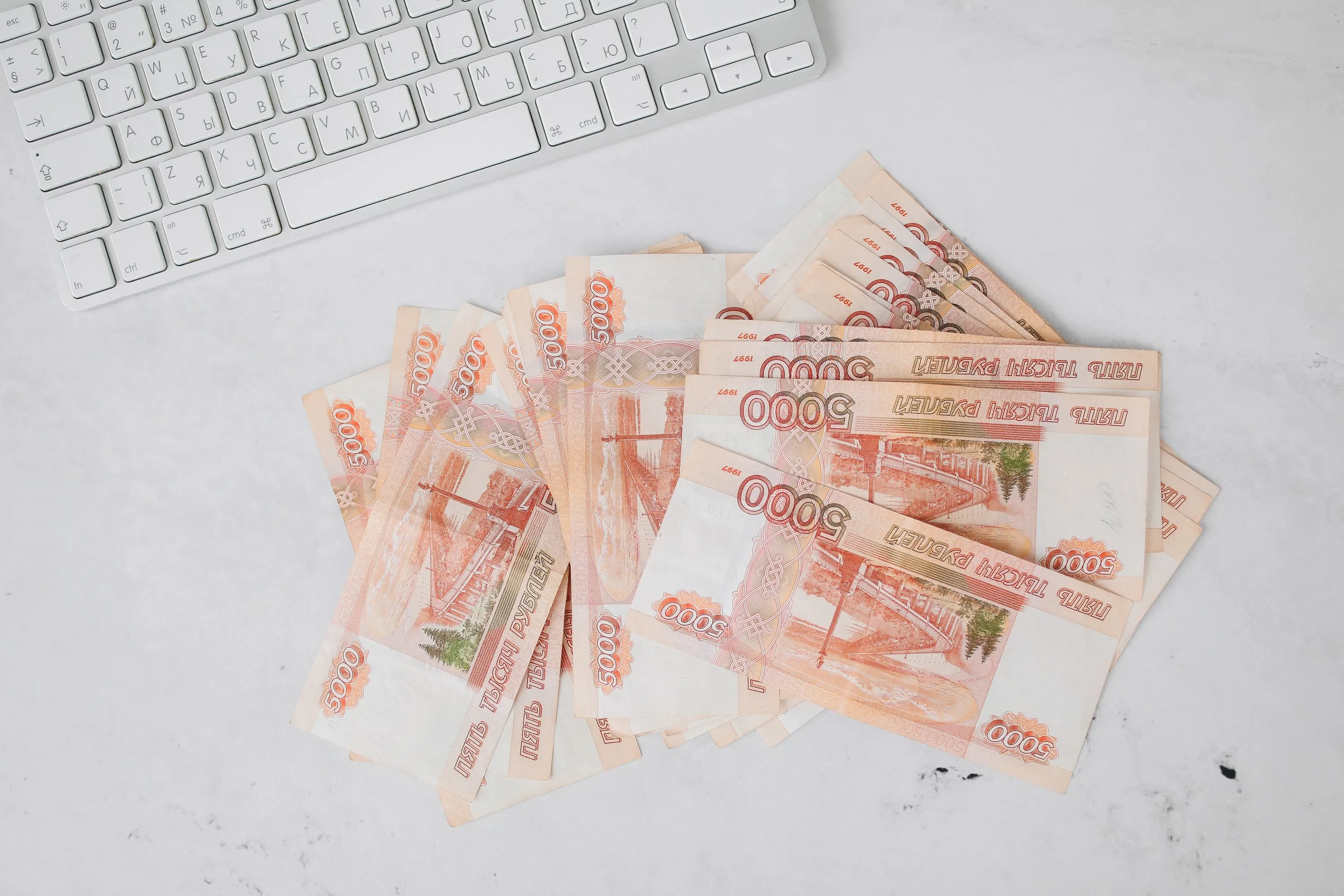
Pile of 5000 ruble banknotes next to a keyboard on a white surface, viewed from above. Source: Polina Tankilevitch, Pexels
The launch of a digital ruble, whose development began in 2021, has already been targeted by preemptive sanctions from European Union authorities, which announced restrictions on the CBDC in April. The European Council said that the sanctions package was in response to Russias “war of aggression against Ukraine,” which it started in February 2022.
According to the Bank of Russias first deputy governor, Vladimir Chistyukhin, the law allowing the digital ruble will be enacted on Sept. 1 with a transition period until July 2027.
Related: Russia targets British 17-year-old for alleging digital assets were skirting sanctions
Dr. Jack Jarmon, who worked as a USAID technical adviser for the Russian government in the 1990s, said in a February 2025 report that the country could face “structural limitations” should its digital ruble plans fail and it relies on Bitcoin (BTC) and other proof-of-work (PoW) digital currencies as methods of evading sanctions.
“While Russia is replete with a surplus of oil and gas, the rest of its energy infrastructure is not well suited to handle such significant increases in demand for energy,” said Jarmon, referring to PoW mining. “Its power grid is old and in need of investment and upgrade.”
He added:
“The sanctions that Putin seeks to circumvent have cut Russia off from financial capital and technology. It has no domestic semiconductor industry to meet its needs and must rely on the Peoples Republic of China (PRC) for components [...]”US President weighing legislation with four-year CBDC ban
In contrast to Russia, the United States is one step away from having a ban on the countrys central bank issuing or creating a CBDC until 2030. This week, US President Donald Trump received the 21st Century ROAD to Housing Act, a housing bill containing a ban on a digital dollar as part of a package of housing affordability laws.
Although Trump has said he will not sign the bill, expecting Republicans to first pass legislation requiring voters to provide proof of US citizenship in person to register, it will automatically become law in 10 days with no action on the presidents part. This timeline would put the law into effect in July.