






S&P Global believes El Salvadors recognition of Bitcoin as legal tender has brought “immediate negative implications” for its credit rating.
Credit rating agency Standard and Poor (S&P) Global believes the country of El Salvador has severely harmed its credit rating after enacting its Bitcoin Law recognizing Bitcoin (BTC) as legal tender nationwide on Sept. 7.
According to a report from Reuters Thursday, El Salvador‘s Bitcoin embrace exposes its economy to significant financial risks and could pose challenges for the country’s lending industry.
The credit agency also believes the move could also dampen El Salvadors chances of securing a $1-billion loan agreement it is seeking from the International Monetary Fund (IMF).
“The risks associated with the adoption of bitcoin as legal tender in El Salvador seem to outweigh its potential benefits,” S&P said, emphasizing the “immediate negative implications” of the Bitcoin Law for the countrys credit rating.
International credit rating agencies offer a grim outlook for El Salvadors ranking amid the lead-up to the BTC adoption.
Prior to Salvadoran President Nayib Bukele announcing his intention for the country to recognize BTC as legal tender in June of this year, Fitch had stamped El Salvador with a B- in April 2020 — assessing the country as high risk with a negative outlook.
S&P‘s last assessed El Salvador’s credit score as being a B- as of Dec. 28, 2018, suggesting it may be due for an update, given the dramatic shift in the nations monetary policy.
While President Bukele maintains high approval ratings among the Salvadoran populace, his leadership and government have faced backlash for enacting the Bitcoin Law despite the countrys low rates of crypto literacy.
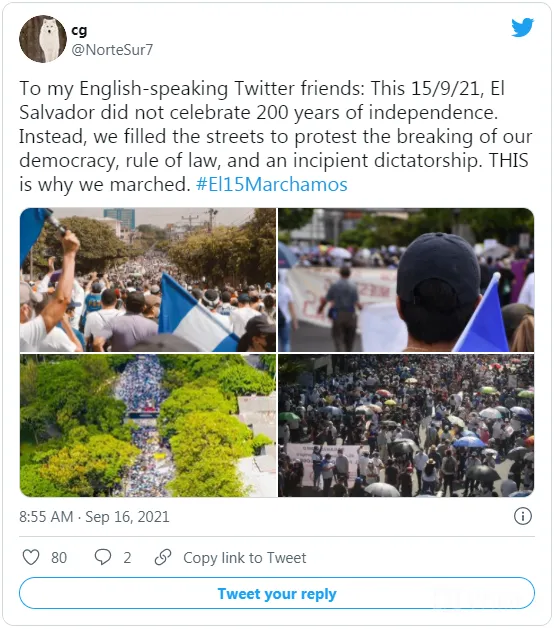
Related: Protesters burn Bitcoin ATM as part of demonstration against El Salvador president
There also appears to be push back abroad from financial agencies, such as the World Bank and IMF, which have both reiterated cautious sentiments this month regarding the adoption of BTC as legal tender.
IMF spokesperson Gerry Rice stated in a press briefing on Thursday that while the fund is still in discussions with El Salvador over a potential support program, it hasnt changed its stance that the consequences of BTC adoption could be “dire.”
“The potential of an IMF program for El Salvador is under discussion. Again the objectives of that are clear: growth, financial stability and so on. On the specific Bitcoin issue, I think weve been fairly clear in our public statements,” Rice said.
On Sept. 7, a World Bank spokesperson told Reuters that “while the government did approach us for assistance on Bitcoin, this is not something the World Bank can support given the environmental and transparency shortcomings.”