






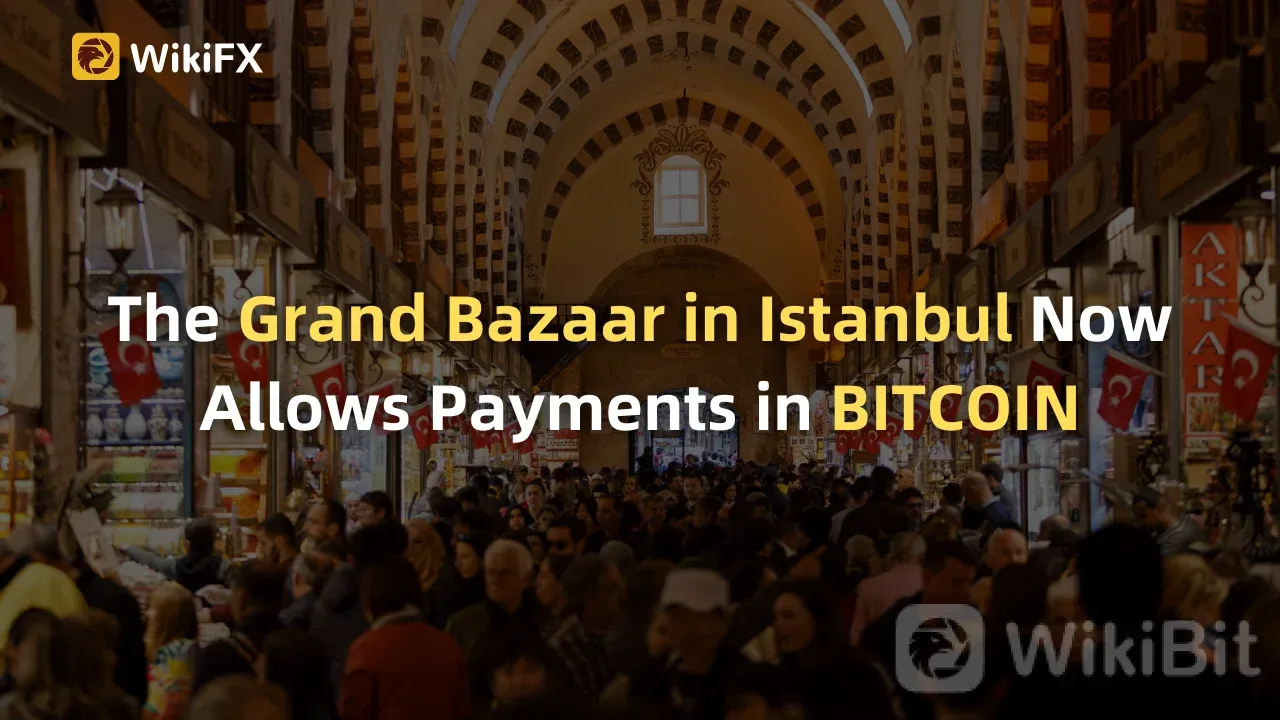
Bitcoin (BTC) and Tether (USDT) have recently been embraced by merchants at the Grand Bazaar, one of the world's largest and oldest covered malls, situated in Turkey. As the Turkish lira's value continues to plummet, locals are flocking to Istanbul's Grand Bazaar to exchange their currency, with images of stores accepting Bitcoin and USDT appearing on Twitter.
The country's unconventional monetary policy last year saw interest rates cut while other nations increased theirs, contributing to the lira's ongoing depreciation. In a bid to avoid government-controlled banks, Turks are paying a higher premium than the official exchange rate to acquire US dollars. This premium rate has reached its peak since last year.
President Recep Tayyip Erdogan's stringent financial regulations have revived the Grand Bazaar, which was once at the epicenter of global trade in the 15th century. This development has also led to a new parallel exchange rate for the Turkish lira among the myriad of antique shops, jewelry boutiques, trinket-selling kiosks, and leather merchants that populate the covered marketplace. As restrictions on local banks intensify ahead of a crucial election, this parallel rate is becoming increasingly entrenched.
Due to the heavy-handed management of the legal exchange market, more dollar sales have been diverted to the bazaar and its numerous exchange offices. Erdogan's last-ditch efforts to clamp down on bets against the currency are proving less effective in the narrow, arched passageways where traders have been conducting business for centuries.
Furthermore, the demand for cryptocurrencies like Bitcoin is rapidly growing as a means of circumventing financial regulations and inflation.
As a result, Bitcoin and USDT are emerging as new currency trends in Turkey. While currently accepted by smaller shops and wholesalers, it is likely that large organizations and companies will follow suit in the long term.
As a reminder, WikiBit is ready to help you search the qualifications and reputation of projects in a bid to protect you from hidden dangers in this risky industry!
Download the App: https://wikibit.onelink.me/WEou/ya6f9wbs