SCMRegulated
Malaysia Crypto Asset Exchange License (CEX)





Malaysia Crypto Asset Exchange License (CEX)

South Africa Crypto Asset Trading License (AGN)

Australia Virtual Asset Service Provider (VASP)
Exchanges with 24H trading volume exceeding 70.92%
Luno is the crypto investment app you can rely on, enabling you to buy, store and explore crypto securely. We’re committed to putting the power of cryptocurrency in everyone's hands sensibly and responsibly.
Since 2013, we’ve helped millions of people around the world invest safely in crypto. We do this by cutting through the hype and supporting customers at every step of the way. All products and cryptocurrencies on our platform must first meet stringent legal, risk and technical security standards.
Transparency is key for us. Luno stores all crypto on a 1:1 basis and we have rigorous processes in place so you can be confident your investment is secure. We’re available in more than 40 countries around the world and we work closely with respective regulators in all of these markets to be fully compliant, as we believe this is the best way to help everyone, everywhere, invest safely.
All features are available on Luno’s mobile app for iOS and Android), and on desktop.
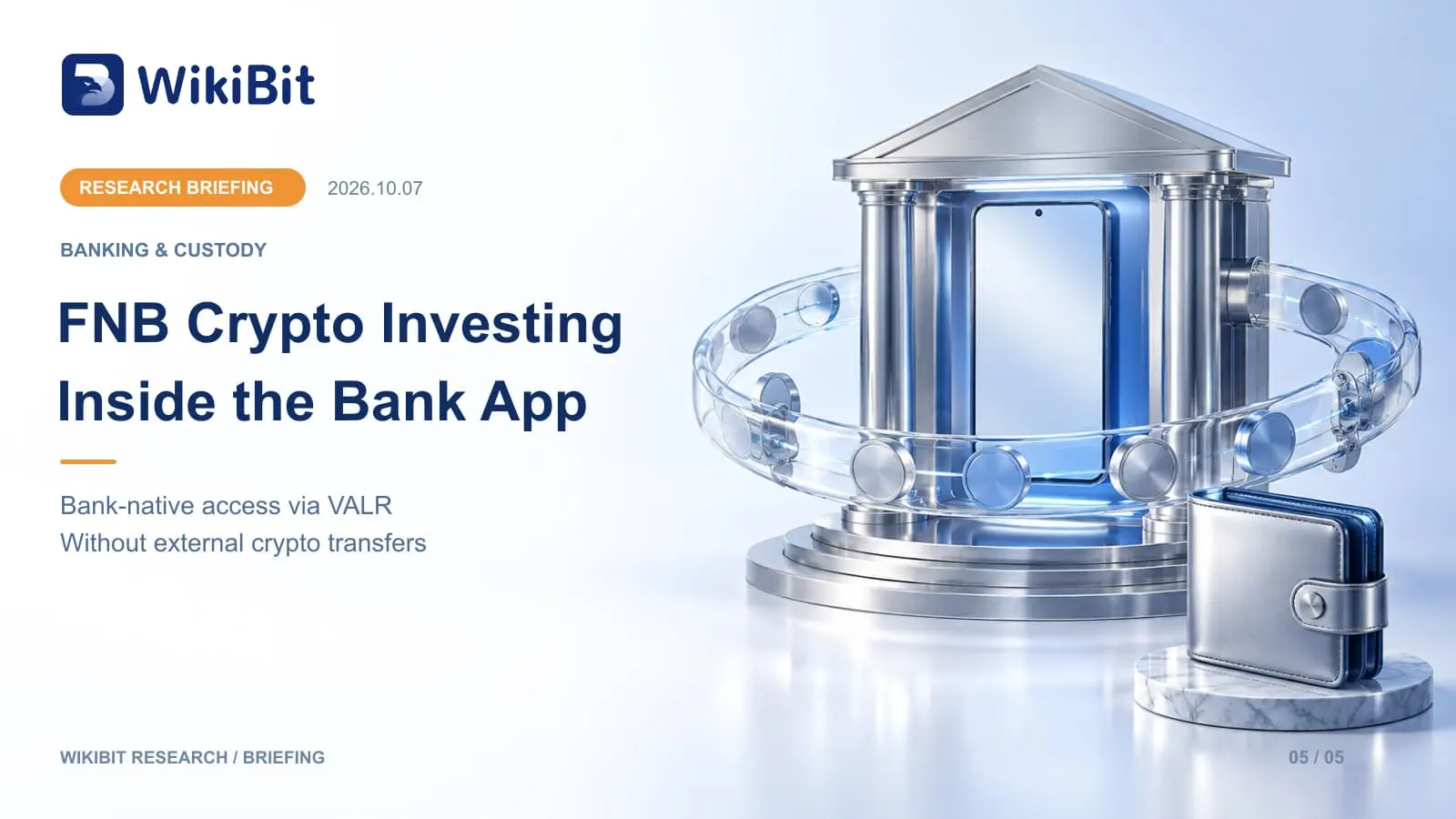
South Africas First National Bank has brought crypto into the same investment interface customers use for conventional assets. On October 6, FNB launched Crypto Investing through a partnership with local crypto platform VALR. Customers can buy and sell five digital assets:Bitcoin;Ether;XRP;Solana;USDT. Minimum trades start at R10. Trading is available 24 hours a day. The feature is integrated into FNBs existing Share Saver, Share Builder, Share Investor and Share Zero products. But there is one major restriction: crypto cannot be transferred into or out of the FNB ecosystem. Customers can gain exposure. They cannot withdraw the coins to a self-custodial wallet. That makes FNBs launch a useful case study in what crypto adoption looks like when a bank embraces the asset class but deliberately excludes the open-wallet layer.The Product Optimizes for Trust and Distribution A bank already has several advantages that a standalone crypto exchange has to build. It has:customer identity;fiat balances;payment rails;an investment interface;regulatory processes;brand trust. FNB can add crypto without asking a customer to create a new financial relationship. The customer funds a crypto purchase directly from an FNB account. There is no separate exchange wire. There is no new login. For mainstream adoption, that reduction in friction is powerful. The user does not need to become a “crypto user.” Crypto becomes another asset inside a bank investment
Scams are the biggest threat for building trust in crypto Kim Grauer, head of research at Chainalysis, told Cointelegraph that while there are many different crypto-related crimes, scamming has become the largest in terms of value received by criminals. She added that scams represent a significant threat to building trust within the crypto ecosystem, as this may prevent people from investing in digital assets. Grauer further mentioned that scams related to decentralized finance (DeFi) have been on the rise this year. With an annualized revenue in all DeFi protocols estimated at around $5 billion, this shouldn‘t come as a surprise. More interesting, though, is that Chainalsyis has discovered that “rug pulls” have contributed to this year’s increase in scam revenue. According to Grauer, Chainalysis defines rug pulls as an instance when a person or developer decides to unexpectedly cease a project and run away with funds:“Rug pulls have accelerated the amount of scamming the crypto space has seen this year. In addition to financial scams, rug pulls have exploited different vulnerabilities in the crypto space. Overall, they have taken $2.8 billion of cryptocurrency.” Although rug pulls are a relatively new crime, Grauer believes these cases are becoming common in the growing DeFi ecosystem.
In a bid to promote ethical crypto trading in the country, the UKs advertising watchdog has banned seven cryptocurrency advertisements of leading crypto companies due to their inability to “illustrate the risk of the investment.” Leading crypto companies such as Etoro, Exmo, Coinburp, and Luno had to face ASAs crackdown for: “Irresponsibly taking advantage of consumers inexperience” and failing to explain the potential risks associated with cryptocurrency trading. ASAs crackdown on crypto companies This is not the first time when ASA had imposed an outright ban on crypto ads failing to highlight crypto investment risks. The UK watchdog had earlier banned Floki Inu advertisements quoting “irresponsible promotion.” The seven crypto ads banned were mostly produced by crypto companies themselves in a bid to attract more users. This was the case for Coinburp, Luno, Exmo, and Etoro. However, ASA also banned marketing campaigns of ad firms Europe and Payward for displaying ads for American crypto exchanges Coinbase and Kraken. In Krakens case, a complaint was filed due to a digital poster that the exchange had put up in the London underground station. Even though the exchange had issued a disclaimer with the advertisement, ASA was quick to conclude that “consumers would not have had the