






Local authorities have warned that tourists who attempt to use crypto as a means of payment will be “dealt with firmly.”

Foreign tourists who use crypto as a means of payment in Bali will be “dealt with firmly,” local authorities have warned.
Speaking at a tourism development press conference on Sunday, Bali Governor Wayan Koster said that visitors who pay with crypto or break other rules could be deported, face criminal penalties, or be dealt tough sanctions.
“Foreign tourists who behave inappropriately, do activities that are not allowed in their visa permit, use crypto as a means of payment and violate other provisions will be dealt with firmly,” the leader of the Indonesian island province said, according to Channel News Asia.
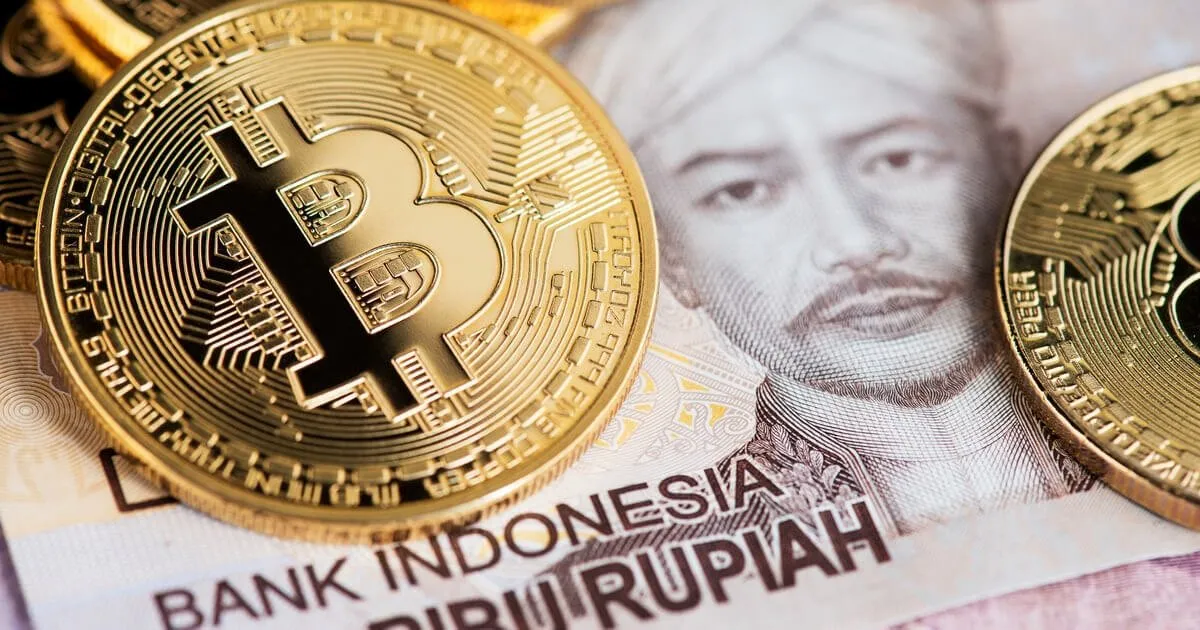
Indonesian law dictates that all transactions carried out in Indonesia must be settled in the local currency, the rupiah. Anyone using other forms of currency can face up to one year in prison and a fine of as much as 200 million rupiah ($13,300).
The rules were originally introduced to defend the rupiah against the widespread use of the U.S. dollar in the country.
But in recent years a new alternative has gained traction, as crypto enthusiasts have been drawn to the so-called ‘Silicon Bali’. Last year, Indonesian exchange Tokocrypto even set up a physical clubhouse for Balis crypto community.
Crypto in Indonesia
Crypto is permitted in Indonesia as an asset, but its use as a form of payment is not allowed. There are also limits on who can carry out foreign exchange business activities in the country, with those wishing to do so requiring permission from Bank Indonesia.
Koster reiterated the rules at the conference, saying that violations would be “subject to administrative sanctions in the form of written reprimands, obligations to pay fines, and prohibitions from payment transactions.”
Earlier this year, Koster said he was planning to ban tourists from using motorbikes, amid a number of traffic violations and crashes. Frustrations have also grown over tourists who flout local traditions by posing naked in holy sites, or who work as digital nomads without securing the right visas.