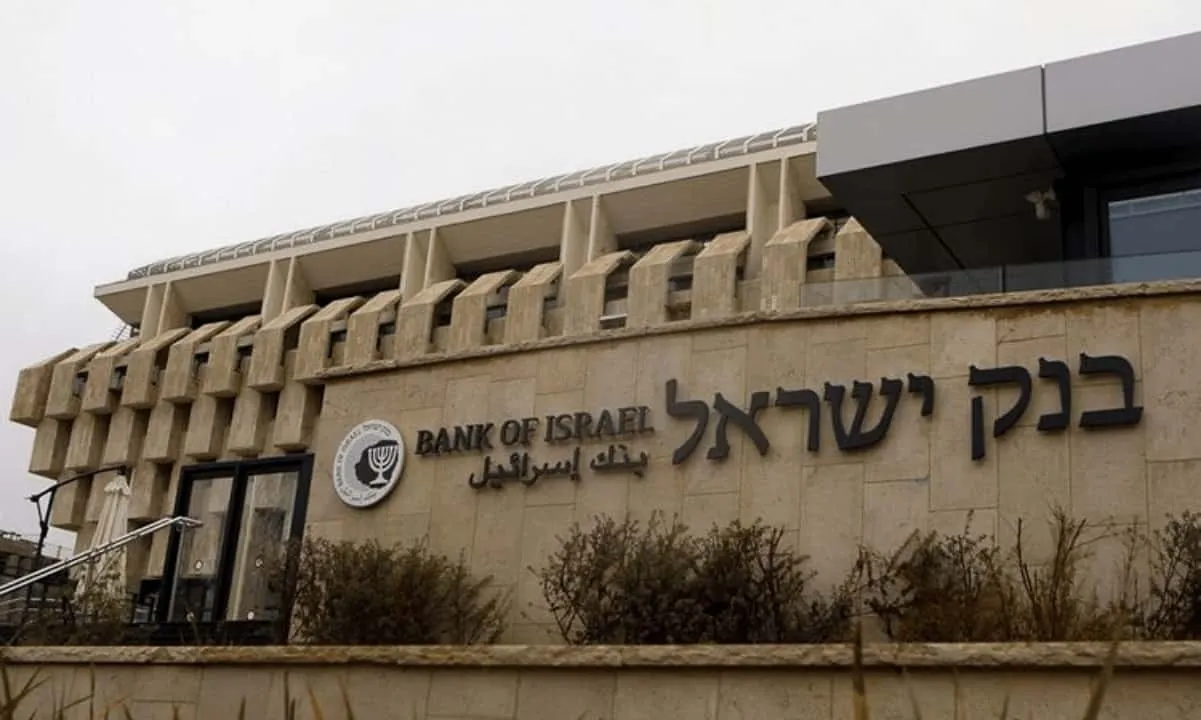
The Bank of Israel (BoI) has reportedly instructed local banks to accept profits from digital asset endeavors as long as the source of the money is not related to criminal affairs. The procedure is intended to complement the Money Laundering Prohibition Ordinance, which applies to crypto-related entities and their operations.
Israeli Banks May no Longer Refuse
According to a recent local report, the central bank of Israel has distributed a draft circular to local banks with a supplement to Proper Banking Procedure 411. The document focuses on money laundering and other financial crimes.
The directive aims to upgrade the rules imposed on cryptocurrency entities and thus manage the banks risks when receiving and transferring digital assets. Specifically, the move represents a direct instruction from the Bank of Israel to all local financial institutions that they may no longer refuse to accept profits generated from cryptocurrency operations.
However, the circular sets out a list of details that a bank should have in mind when processing a digital asset transaction. These include the nature of the initial funds, the size of the settlement, and the risk classification.
Speaking on some of the issues that might still be present was Ron Tzafrati, VP of Finance and Regulation at the Israeli crypto exchange Bit2C, who said:
“On the one hand, the Bank of Israel finally recognizes the obligation of banks to perform a risk assessment and management and not to refuse in a sweeping manner the transfer of funds by the Banks customers in connection with digital currency activities. On the other hand, the bank leaves broad discretion to banks to continue to refuse in many cases, which do not really create a real risk of money laundering.”
Nearly a month ago, the Israeli authorities announced they will impose new regulations on the cryptocurrency industry, which should decrease the employment of bitcoin and the altcoins in illicit activities. According to the plan, all crypto-related firms will have to make regular reports, meaning they will be treated as banks.
Mrs. Freeman and her Struggles
In line with the new legislation that will allow local banks to accept profits from cryptocurrencies, it is worth mentioning the case of Esther Freeman.
In 2013, the retired Israeli citizen entered the digital asset market by investing around $3,240 in bitcoin. Eight years later, thanks to the primary cryptocurrencys price growth, she multiplied her investment by 100 times.
However, Bank Hapoalim – one of the leading banks in the country – refused to deposit the $324,000 transferred from the fiat-cryptocurrency platform she used as the initial deposit years ago was made in cash. According to the financial institution, the source of the funds might be related to “money-laundering or terrorist financing.”
To obtain her funds and help her child buy an apartment, Mrs. Freeman appointed a law attorney and opened a lawsuit against the bank. The court ruled that Bank Hapoalim should not restrict account activity to its clients only because they have a connection with cryptocurrencies. Upon receiving the case, the financial institution vowed to study its details and “respond in the usual way.”
For more blockchain news, please download WikiBit - the Global Blockchain Regulatory Inquiry APP.