






China has had a tumultuous history with the cryptocurrency sector due to the government's indecision over the best course of action, which has ranged from a complete ban to looking at the potential uses of blockchain. Lately, several municipal governments have begun to tax cryptocurrencies heavily on their income.
According to Colin Wu's January 25 report, several crypto whales, miners, and other traders have indicated they are currently awaiting the findings of individual income tax audits conducted by their local tax authorities that began in early 2022.
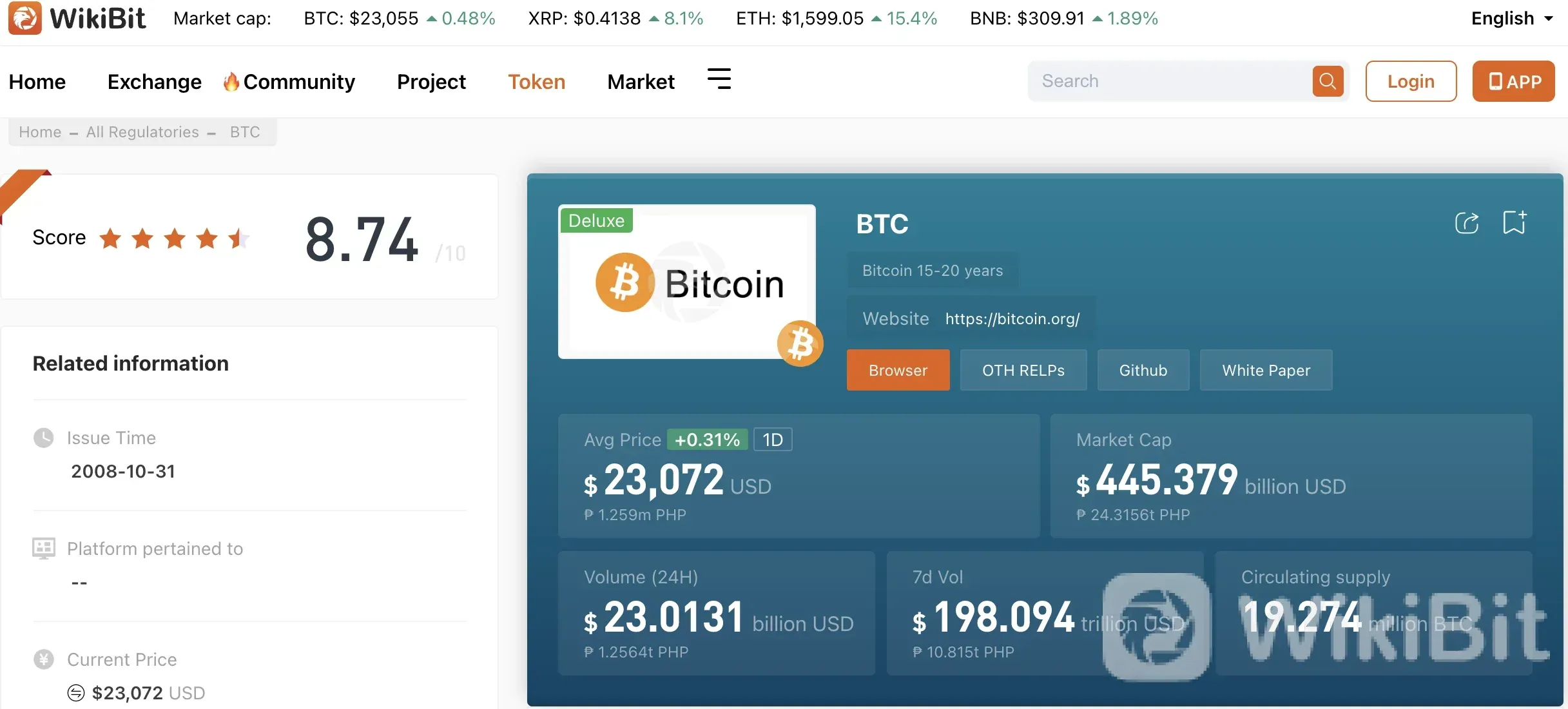
The execution of a 20% personal income tax on asset earnings for individual cryptocurrency investors and many Bitcoin (BTC) miners is described in the report. This came about as a result of several significant domestic exchanges providing the tax authorities with comprehensive information regarding some of the whales' transactions.
Different perspectives on digital assets
The truth is more complicated, with tax agencies and banking authorities having varying opinions on the legitimacy of crypto, despite the fact that this practice would seem to indicate that the Chinese government has now acknowledged the legal standing of cryptocurrencies.
In an article released in October 2021 by China Tax News, a division of the State Administration of Taxation, it was stated that the services originally provided to Chinese citizens by foreign exchanges were “not expressly prohibited by law,” but that the revenue they receive from China is subject to VAT, enterprise income tax, stamp duty, as well as other related taxes.
However, under the country's current legal system, it is not improper for individual people to own digital currencies like Bitcoin. Trading in virtual currencies is described as a “invalid civil act,” but it is not expressly forbidden by law. At the same time, China has tight rules on fraudulent economic activities involving digital currencies.
However, a November 2022 article in the China Public Prosecutor's Journal said that due to the significant financial dangers involved with digital assets like Bitcoin, the government had recently reinforced its monitoring of them.
A prominent tax expert claims that because tax checks on whales have been harsher and because the tax authorities have just started looking into high-net-worth individuals' foreign income, the tax department uses its own foundation for taxation.
China's intricate crypto relationship
China began limiting the usage of cryptocurrencies, especially Bitcoin, by its banks more than nine years ago, but as a result of these restrictions, since then it has unknowingly developed into a silent crypto whale and is now one of the top ten countries for crypto acceptance.
It's fascinating to note that, just behind island tax havens like the Cayman Islands and the Virgin Islands, mainland China stood for the third greatest share of consumers of the cryptocurrency exchange, according to the most recent FTX bankruptcy filing.

As a reminder, WikiBit is ready to help you search the qualifications and reputation of projects in a bid to protect you from hidden dangers in this risky industry!
iOS: t.ly/UUCj
Android: t.ly/cfYt