






The U.S. government intends to argue that Virgil Griffith, an Ether developer, helped the North Koreans better understand how to use crypto to bypass financial sanctions against the country.
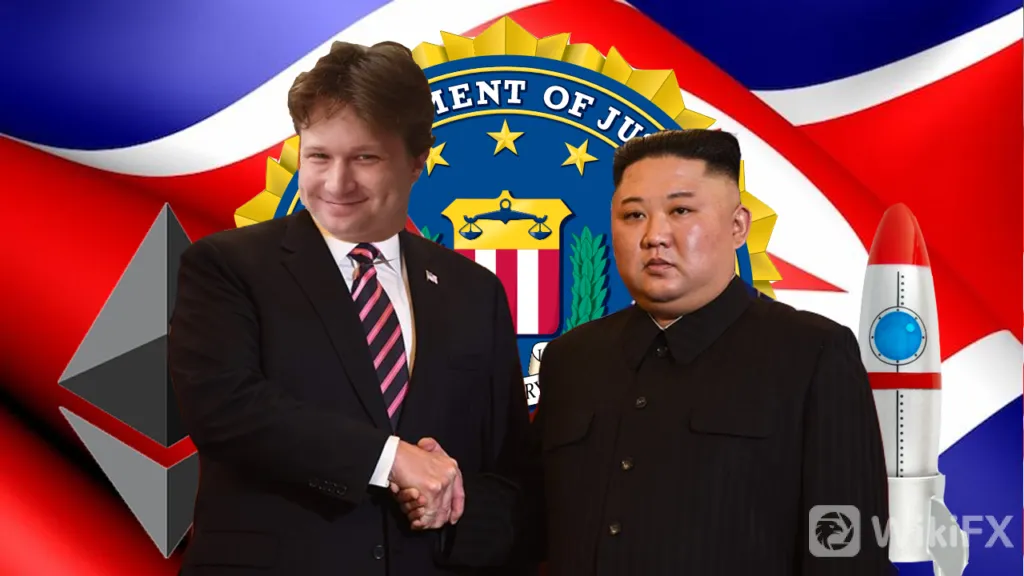
Griffith, who was arrested in November 2019 on charges of conspiring to assist North Korea (DPRK) in using cryptocurrency for its own benefit, is seeking to have the charges against him dismissed. While U.S. District Judge P. Kevin Castel of the Southern District of New York ruled on some minor issues in the case, a full trial has been tentatively scheduled for September 2021.
According to the government's complaint, Griffiths traveled to Pyongyang last April to speak at a blockchain conference, despite the U.S. government's refusal to grant permission. It was the first case involving cryptocurrencies and sanctions to be heard in a U.S. court.
In October, Griffiths' representatives filed a motion to dismiss the charges against him. The motion argued that Griffith's relaying of public information about blockchain technology to the North Koreans did not constitute a service to the state and that the government's allegations did not specify facts.
That became a strong point of contention during Tuesday's hearing in the case. Judge Castor questioned whether the government intended to argue that Griffith's disclosures in his presentation at the conference “exceeded” North Korea's existing blockchain capabilities and knowledge.
“What I want to know is whether the government intends to stand before the jury and argue that the information that Mr. Griffith provided and intended to provide as the subject of the conspiracy included other information that North Korea did not know. Do you intend to do that?” he asked.
The prosecution replied that it would not make this argument because the defense's definition of North Korea in its motion to dismiss was too broad. Instead, it will offer evidence of how Griffith's presentation and subsequent question-and-answer session helped individuals in the audience understand how cryptocurrencies work.
“Mr. Griffith himself made a statement to the FBI in which he described the lack of sophistication among those in the audience who asked questions, with certain exceptions, and the types of things he did to help them better understand the concepts. So whether there is, but there are materials that reflect some other unknown component of North Korea as a whole or North Korea's cryptocurrency capabilities is not the issue in this case,” said prosecution attorney Kyle Wirshba.
What does not appear to have been clarified is the specific charges Griffiths will face. The complaint includes a broad allegation of sanctions law violations, but Griffith's attorneys want to know what specific conduct he's accused of.
Ruling Although Judge Castel did not rule on a motion to dismiss the charges against Griffith, he did issue a number of other orders.
Judge Castel granted a motion filed by the defendants to compel disclosure of information regarding the possible involvement of the U.S. Treasury Department's Office of Foreign Assets Control (OFAC) in Griffith's case based on the initial communications between the FBI and OFAC beginning on October 24, 2019, through the present.
“Generally, when the prosecution conducts a joint investigation with another state or federal agency, courts in this Circuit have held that the prosecutor's duty extends to reviewing material in the possession of that other agency for Brady purposes,” Judge Castor said.
The Brady rule requires the prosecution to disclose any information the government has that might exonerate someone.
The judge denied the defense's motion to disclose the identities of witnesses the government had not yet identified. Judge Castor said the government is not obligated to do so until 30 days before trial.
Read more. U.S. v. Virgil Griffiths: What we know (and don't know) in this explosive encryption sanctions case
Judge Castor deferred ruling on the defense's motion to search for information held by government agencies about North Korea's crypto and blockchain capabilities on the grounds that the prosecution's statement would not argue that Griffith's information conveyed during his speech at the conference went beyond North Korea's crypto and blockchain capabilities.
Instead, he asked the parties to reach an agreement on the issue and submit it to the court by Jan. 25, 2021.
Finally, the judge proposed a series of dates for a September 2021 trial. It was also decided that Griffith's attorneys would submit a letter requesting that some of the restrictions on the defendants be relaxed.
Defense attorney Brian E. Klein said, “As you know, he has been subject to very, very strict restrictions.” Griffith has no Internet access and cannot leave his home.
If the parties object to the trial starting in September 2021, they should be ordered to submit letters to the court by Dec. 30 of this year.