






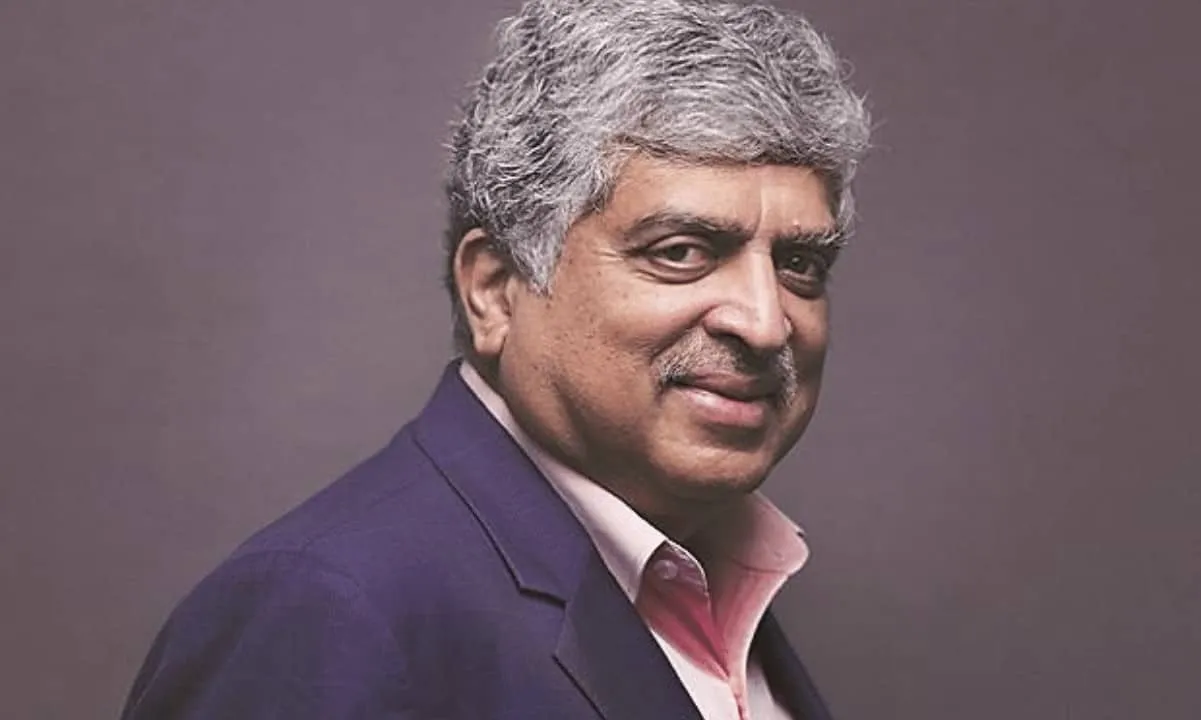
Despite calling them volatile and energy-intensive to use as a means of payment, the Indian tech executive Nandan Nilekani advised the local government to accept cryptocurrencies as an asset class. He opined that the move would boost the country's economy.
Crypto Like a Commodity
In a recent interview for the Financial Times, the Indian billionaire Nandan Nilekani – co-founder and chair of Infosys – appealed to the local authorities to embrace cryptocurrencies as an asset class.
He argued that there is huge potential in the market, and the second-most populated country could gain advantages from it. Furthermore, the government should not restrict “crypto guys to put their wealth into Indias economy.”
Nonetheless, the Indian entrepreneur agreed with many critiques that cryptocurrencies are not suitable to be used as a payment method as their fiat currency value is quite volatile and they consume too much energy. He rather opined that investors should consider them as a precious metal substitute, for example:
“Just like you have some of your assets in gold or real estate, you can have some of your assets in crypto. I think theres a role for crypto as a stored value but certainly not in a transactional sense.”
This is not the first time when Nilekani shares his thoughts on the matter. Back in March, the billionaire stated a very similar opinion and emphasized the potential of the digital assets:
“We should think of crypto as an asset class and allow people to have some crypto. Crypto as a transaction medium will not work as fast as UPI, which is targeting a billion transactions a day. But crypto has enormous capital.”
The Crypto Environment in India
Despite the significant interest in the industry shown by the locals, the world‘s second-most populated country has been indecisive in its cryptocurrency endeavors for years. In 2018, the Reserve Bank of India took very severe measures and banned all firms working with it from operating with digital assets. Two years later, though, the country’s Supreme Court reversed the decision.
The situation became even more bizarre in March this year when a report claimed that India plans to criminalize bitcoin and other cryptocurrencies. The supposed bill aims to further crackdown on digital assets use by abolishing mining and trading.
However, many institutions opposed such tough measures, and Indias government seemed to soften its stance. According to a more recent report, the authorities “may form a fresh panel of experts to study the possibility of regulating cryptocurrency in India” instead of banning them.
“There is a view within the government that the recommendations made by Subhash Garg are dated, and a fresh look is needed at the use of cryptos rather than a total ban.” – argued the new committee.