






This is a segment from the Supply Shock newsletter. To read full editions, subscribe.
In this week‘s roundup, David Canellis looks at a 13-year-old job post that transformed crypto, a Kenyan startup combining crypto mining with hydroelectric power, and Gamestop’s bitcoin buying spree.
Opportunity knocks
The year is 2012. Skrillex‘s “Bangarang” is playing somewhere in the background, and you’re debating whether to see The Hunger Games or 21 Jump Street at the cinema.
You decide to scroll Hacker News instead. A new post catches your eye — “Apply with me to YC [Y Combinator] in the next 3 days and change the world.”
Brian Armstrong, pre-Coinbase, wrote this 13 years ago. “Im throwing a hail mary here – because desperate times call for desperate measures.”
Armstrong had a prototype, “PayPal for bitcoin,” an open-source Android wallet called Bitbank that let users send bitcoin via email addresses. Y Combinator showed interest, Armstrong said, but he‘d deferred the meeting until he’d found a ride-or-die co-founder.
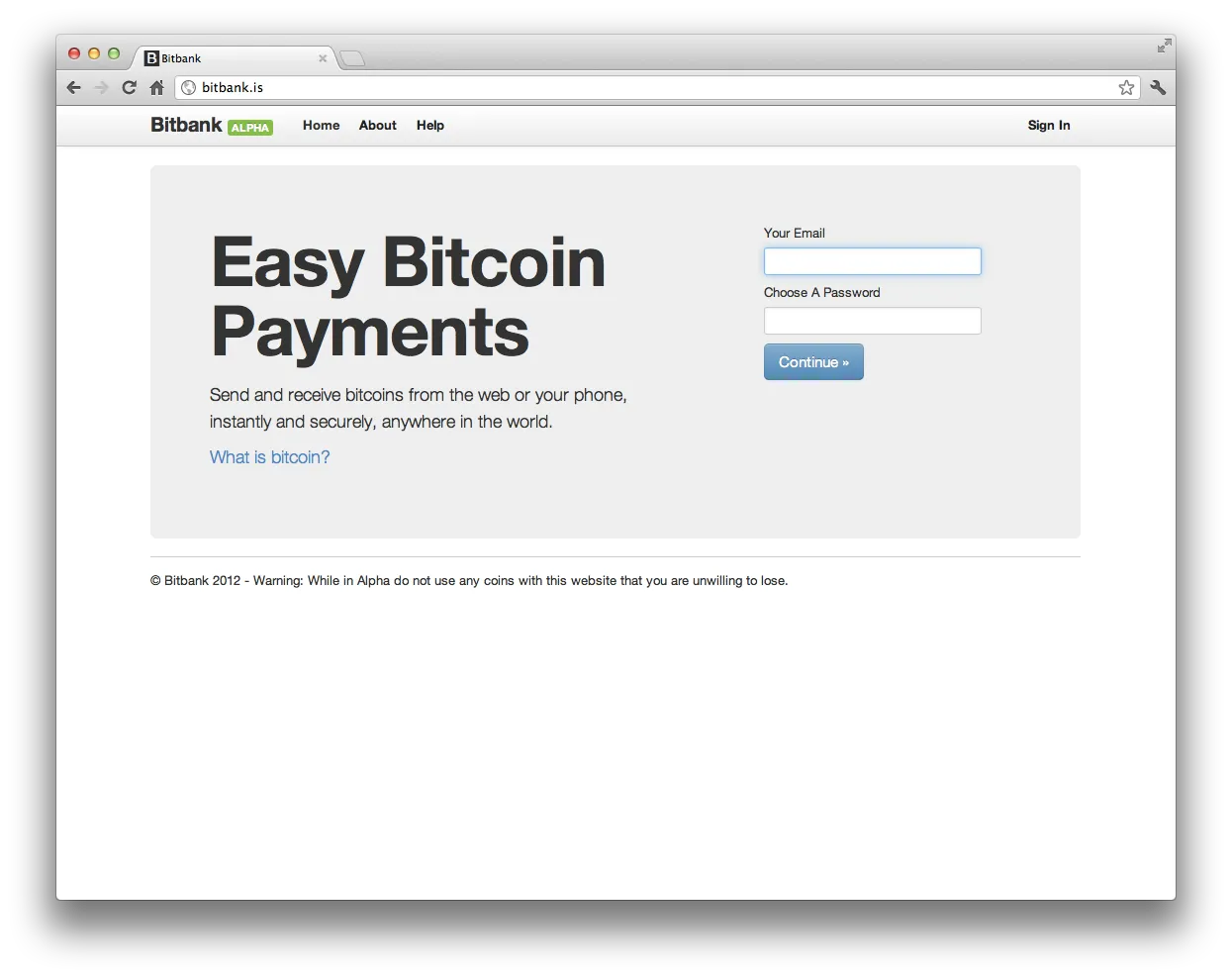
“The killer app will be in disrupting transaction fees that are a tax on every transaction in our economy,” Armstrong wrote. “This is going to be super fucking hard, but the payoff is that we have a non-zero chance of really changing the world in big way. This isnt another photo-sharing app.”
He wasn‘t wrong. While Armstrong didn’t find co-founder Fred Ehrsam until after hed graduated from Y Combinator, Bitbank did eventually become Coinbase, which is today a $48-billion stock trading on the Nasdaq.
Conviction clearly pays.
Remote work
Legendary Bitcoiners have famously gone to great lengths in pursuit of the network.
Kenya-based startup Gridless is no different: Its been busy in northwest Zambia, hauling a shipping container full of 120 mining rigs “across bumpy narrow roads 14 hours from the nearest major city,” reported the BBC last week.
The goal was to hook those rigs — which are each making around $5 per day — directly to a hydroelectric power plant harnessing the might of the Zambezi river.
Bitcoin mining now makes up about 30% of the plants revenue, and a revenue-sharing agreement with the company that built the plant means cheap power for the machines and cheaper electricity for locals.
Increased revenue for the plant has also led to more reliable power for the people that live there — living proof that proof-of-work can turn stranded energy into real-world progress.
“Every day we were wasting over half of the energy we could generate, which also meant we [weren‘t] earning from that to meet our operating expenses. We needed a major user of power in the area, and that’s where the game-changing partnership with Gridless came in,” plant operator Daniel Rea told the BBC.
Game-Start
GameStop gearing up to run the Strategy playbook is a turning point.
Ignore the mixed market reaction. The original meme stock will be the second large-scale firm to attempt an extreme bitcoin buying spree (mirroring Strategy), after Japanese holding company MetaPlanet.
And that includes issuing 0% convertible notes to the tune of $1.3 billion — cash it will use to buy bitcoin — the exact same move that Strategy has perfected over the past five years or so.
All while GameStop will continue closing its physical stores en masse.
