CRV Price Prediction: Relief Rally to $0.27 Before $0.21 Target
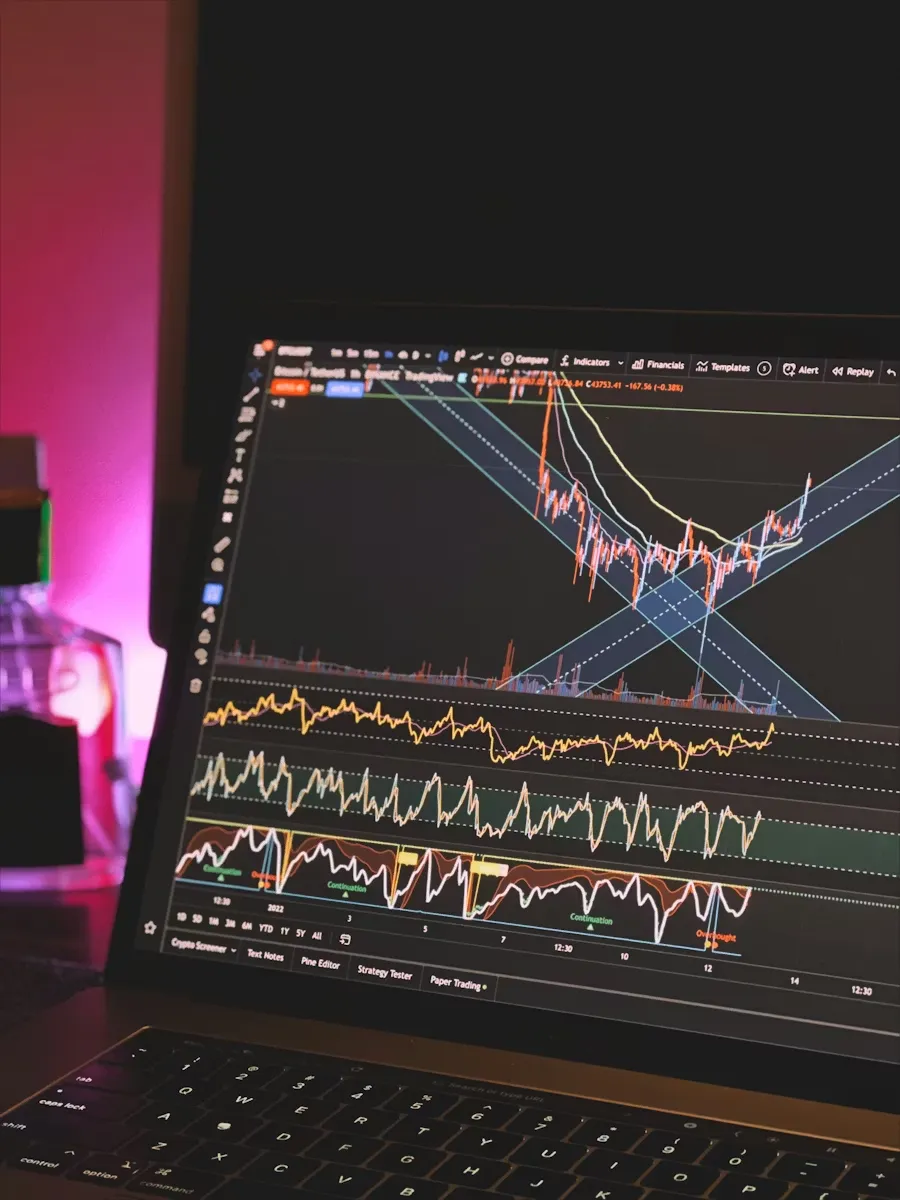
The Current Setup CRV trades at $0.24, down 6.78% today and caught between critical technical levels that will determine the next major move. The 20-day SMA at $0.25 acts as immediate resistance while the 50-day SMA at $0.23 provides the last line of support before deeper losses. The MACD histogram hovers near zero, indicating market indecision, while RSI at 49 shows neither bulls nor bears have established control. The derivatives market reveals interesting dynamics with the -0.0118% funding rate forcing shorts to pay longs, creating artificial buying pressure that could spark a relief rally. Open interest surged 10.12% to $21.5 million in 24 hours, suggesting fresh positioning ahead of a potential breakout. This combination of negative funding and rising open interest typically precedes sharp moves in oversold DeFi tokens, according to Blockchain.news market analysis. Critical Price Levels The battle for direction centers around well-defined resistance and support zones. Immediate resistance sits at $0.26, representing todays high and the EMA-12 confluence that has rejected multiple bounce attempts. Above that level, the 7-day SMA at $0.27 forms the primary resistance target where any relief rally will likely stall before reversing. Support appears increasingly fragile as selling pressure mounts. The current $0.24 level barely holds, backed only by