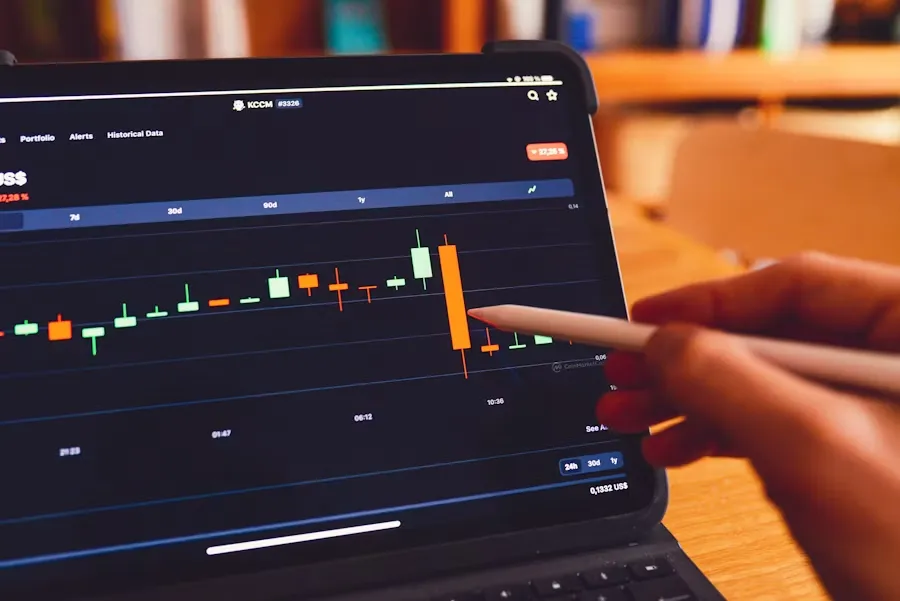
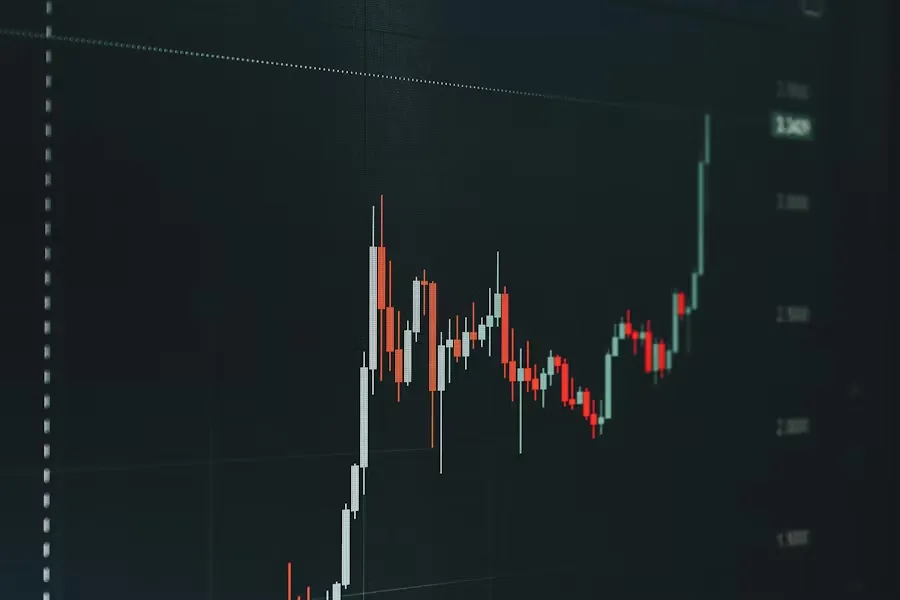
South Korea makes first DEX rug pull arrest in CATFI case
The main suspect, surnamed Park, allegedly acted online as the influencer “Eth Father.” Prosecutors said he posed as an unrelated third party, recommended CATFI purchases, managed project social media accounts, inflated follower counts, and posted false positive announcements. The group also allegedly spread CATFI across several wallets and used circular trading to hide that the issuing side controlled the token. Prosecutors said this amounted to “the use of fraudulent means, plans, or techniques” and false statements about material facts linked to digital asset trading. CATFI surged 1,001-fold before losses CATFIs price rose 1,001-fold within 26 hours of issuance, according to Digital Asset. Around 6,000 investors bought the token, while 256 investors later suffered losses of about 900 million won, or roughly $586,000. Prosecutors said the group used about 10 million won in criminal funds and gained about 400 million won, or roughly $260,000, in criminal proceeds. The case is also the second known matter under the Virtual Asset User Protection Act, after an earlier centralized exchange case. As reported by crypto.news, two South Koreans were arrested in January 2025 over alleged price manipulation on Bithumb involving the Fusionist token, ACE. That earlier matter was described as the first case fast-tracked by the Financial Services Commission