Aave Buybacks and DeFi Token Value: What to Know
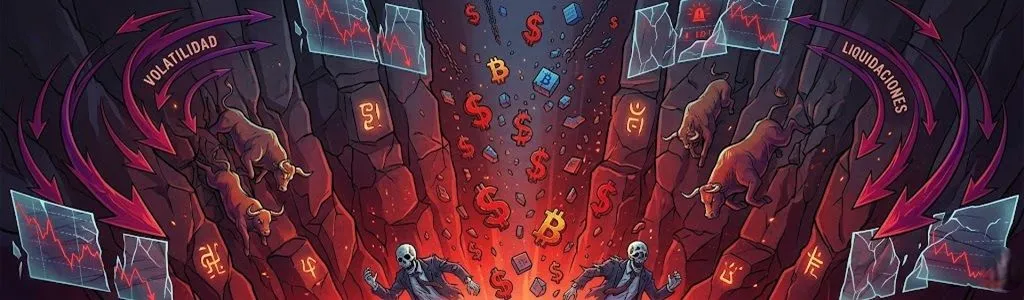
Reading the market: scenarios for AAVE under different revenue paths Because DeFi cycles are intense, consider multiple regimes:Expansion: Rising risk appetite lifts borrow demand, and stablecoin strategies deepen liquidity. If surplus grows, buybacks or staking incentives may scale. The market could price in a more durable revenue base.Plateau: Usage levels off; governance maintains conservative reserves with modest or paused buybacks. Token value may track broader crypto beta and narratives rather than cash-flow multiples.Contraction: Leverage unwinds, fees compress, and liquidations wobble. Safety Module coverage and treasury buffers take priority, crowding out token-directed programs until conditions normalize. Investors should avoid extrapolating a single quarters surplus into perpetuity. In practice, DAO policies adapt, and the same governance that approves buybacks can re-route funds if risk rises. Trade-offs and considerations specific to Aave Aaves scale and multi-chain footprint create both advantages and complexities when evaluating buybacks:Risk-first design: The Safety Module and conservative risk parameters can limit blowups but may also cap aggressive growth incentives in tougher markets.Cross-market fragmentation: Revenue accrues across networks; bridging and execution add cost/complexity for any program that needs consistent cadence.Oracle and liquidation sensitivities: Rapid market moves stress oracles and liquidations; in such windows, treasuries often prioritize stability over buybacks.GHO feedback loops: GHO adoption could