The Yens rescue had almost nothing to do with the Treasury
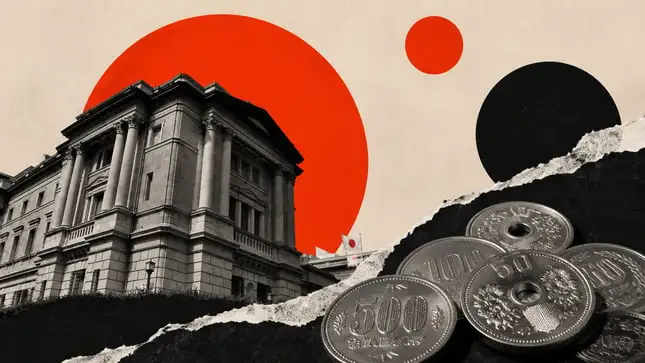
The Yen has pulled itself up roughly 6% since late July, and market operations paid for nearly none of it. The US jointly intervened once, on July 31, and weekly reserve reporting data puts the size of that operation at around $500 million, well below the multi-billion-dollar operation Treasury Secretary Scott Bessent ‘leaked’ to markets with a badly positioned note on a napkin. Everything the currency has done since then belongs entirely to the Bank of Japan (BoJ). Markets now expect the BoJ to raise its policy rate on September 18 to a level Japan has not seen in three decades.The Treasury promised a defence it has not paid for, and the Federal Reserve (Fed) facility it asked to have enlarged so that Japan could pay for one has still never been drawn. Two trades are currently long the Yen, the intervention trade and the rate trade. Both look identical on a screen, but only one of them has money behind it. One shot, fired in July and spent by the end of August The operation worked, briefly. USD/JPY had reached its weakest Yen level in about four decadeswhen the New York Fed bought Yen on the Treasurys behalf through the Exchange Stabilization