






Tether, the issuer of the world's largest stablecoin, USDT, has been embroiled in controversies and allegations since the early days of the cryptocurrency industry. In the latest development, a report by WSJ alleges that Tether utilized forged documents and shell companies to gain access to banking services during a time when the company faced difficulties accessing the global banking system. This represents a significant setback for the stablecoin issuer.
Tethers Illicit Activities
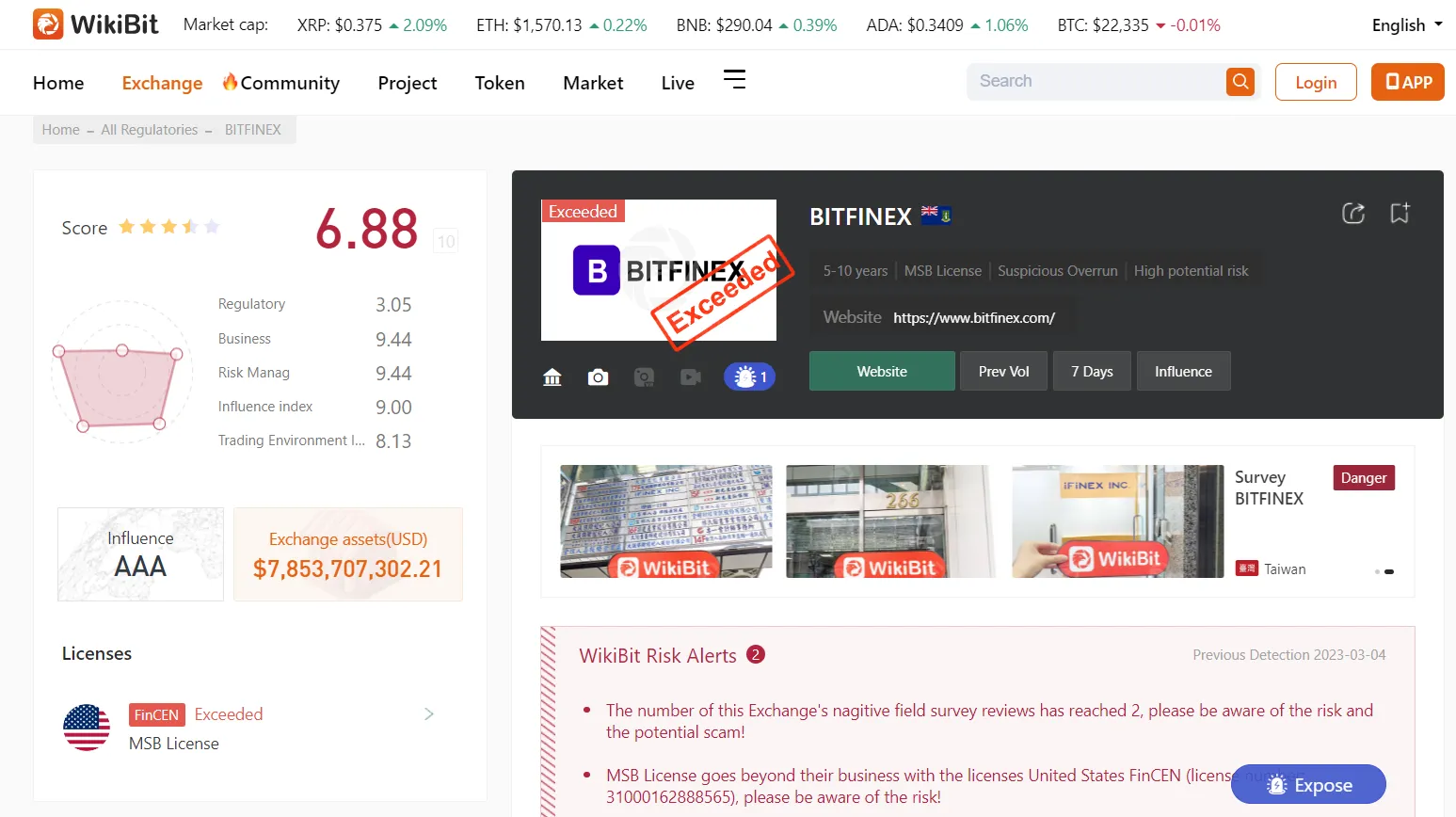
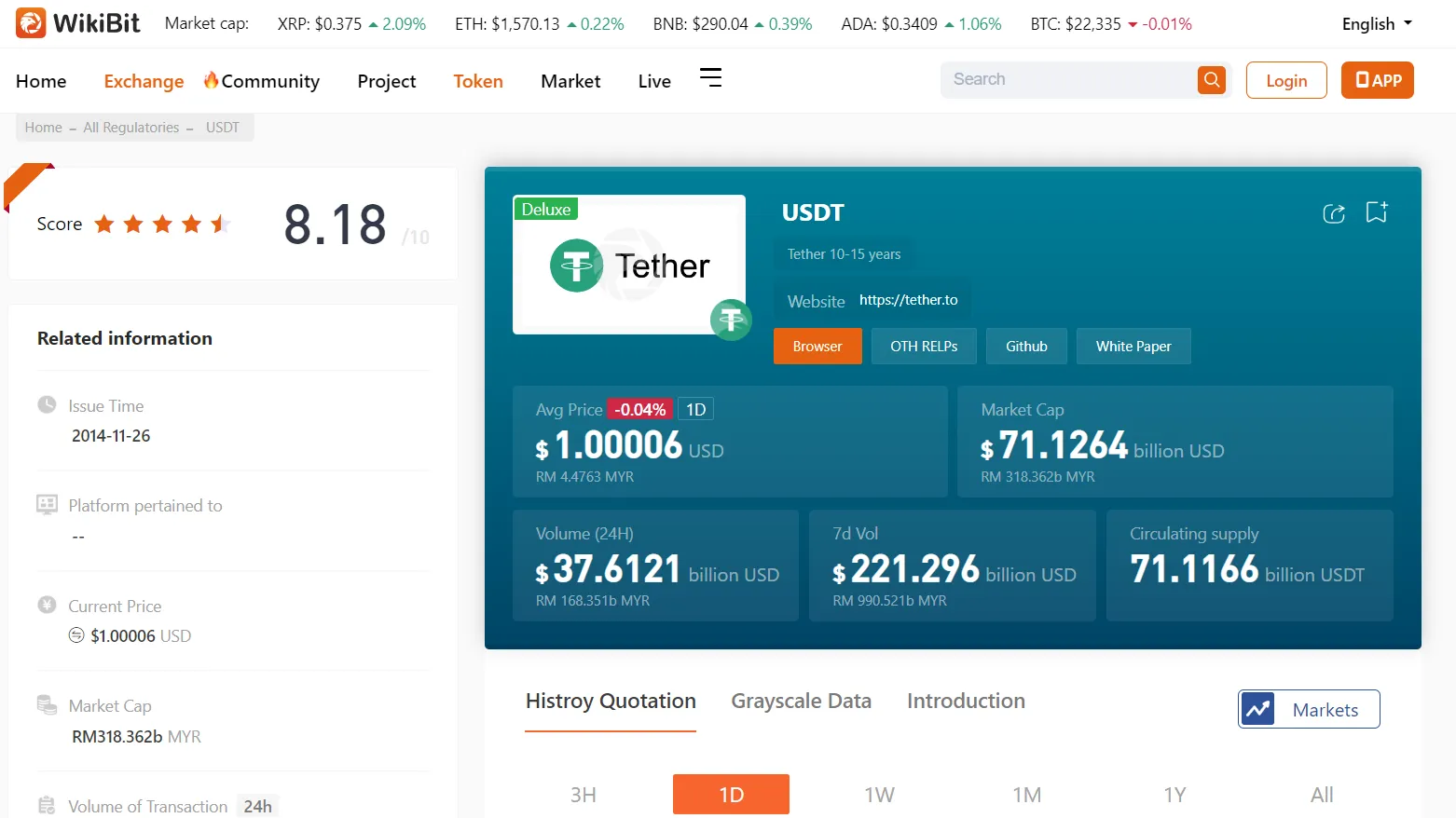
In 2018, Tether and Bitfinex, which is among the biggest cryptocurrency exchanges globally, encountered a precarious situation when they were unable to access the traditional banking system. As a result, the $71 billion stablecoin managed by Tether and its sister business were at risk, posing an existential threat to their operations.
Based on the report from WSJ, a collection of emails and documents were examined, which showed that Tether and its related businesses had made sustained attempts to maintain banking access, despite losing access to traditional banks in 2018. The companies used various methods to conceal their true identities, including operating under the guise of other entities or individuals. However, these efforts were not without difficulties, such as the seizure of millions of dollars in assets and connections to a group known for involvement in terrorism.
Emails Show Major Foul Play
According to the WSJ's review of emails and files, Tether and its affiliated entities made concerted efforts to maintain access to the banking system after losing traditional banking connections in 2018. The report shows that they frequently disguised their true identities by operating under the guise of other individuals or companies. However, this strategy was not without problems, as it led to the seizure of millions of dollars in assets and connections to a group linked to terrorism.
One email that was reviewed by the WSJ was sent by Stephen Moore, a part-owner of Tether Holdings Ltd., in which he described a major USDT trader in China who was attempting to bypass the banking system by using fake sales invoices and contracts for each deposit and withdrawal. Moore advised against continuing to use these phony documents and suggested that opening accounts had become too risky. Moore was also quoted as saying that he would not want to argue any of the above in a potential fraud or money laundering case.
Tether and Bitfinex have undergone multiple investigations, and in 2021, they reached a settlement with the New York Attorney General that required them to comply with regular reporting of their financial activities and funds. Despite this, USDT's price is still tied to its one-dollar value and has a market capitalization of $71 billion.
Looking for more information about cryptocurrencies? WikiBIT offers you a one-stop service! Not only can you access numerous hot news topics, but you can also search for relevant trading firms and obtain their information, such as their ratings, user reviews, and whether they are regulated. Additionally, you can also use WikiBIT to keep up with the latest market trends of various digital currencies.
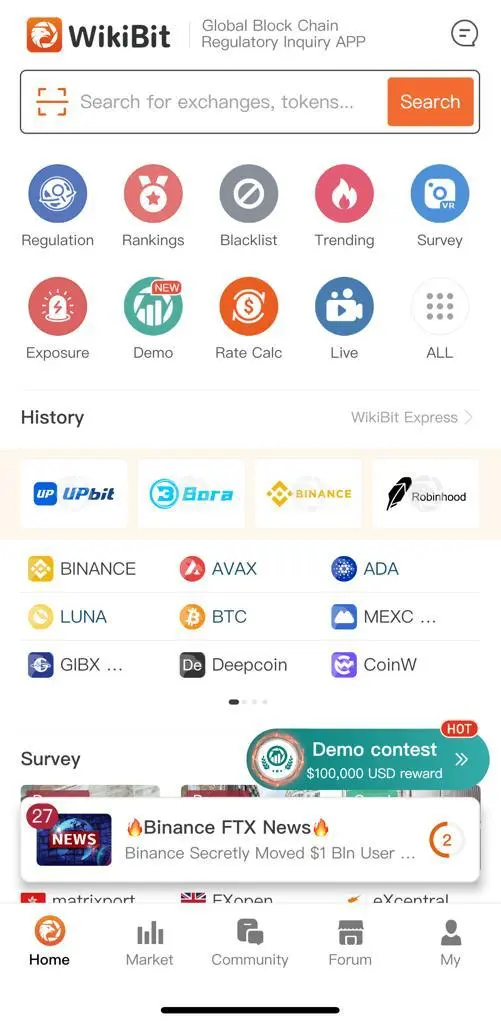
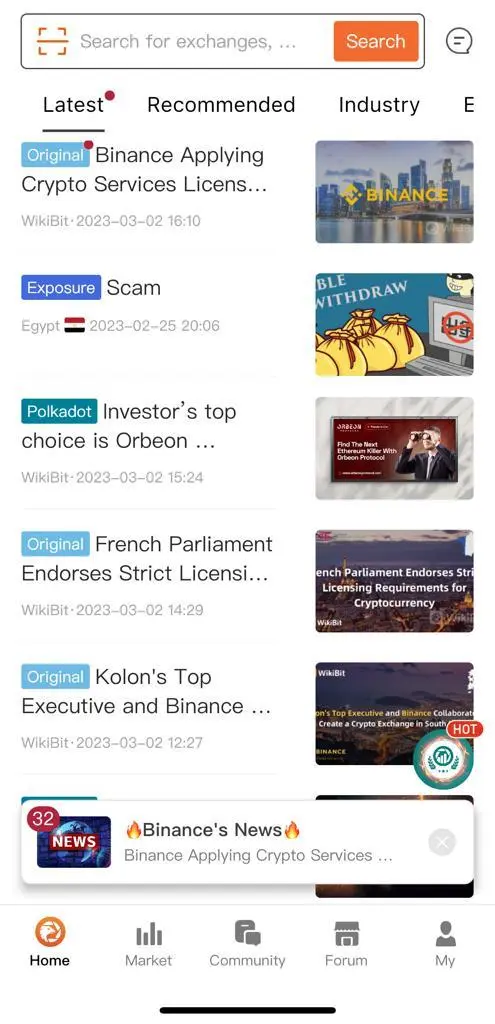
Don't hesitate any longer - download WikiBIT now and experience its features for yourself!

As a reminder, WikiBit is ready to help you search the qualifications and reputation of projects in a bid to protect you from hidden dangers in this risky industry!