






Summary
- Retailer M.Videos hardware-wallet unit sales rose 107% in Q2 from Q1, while Wildberries recorded an 84% year-on-year increase in H1.
- Wildberries average price for hardware wallets fell 13% to 7,900 rubles, and M.Video broadened its range of products, though neither retailer identified the driving force behind the demand.
- Hardware wallets support self-custody but do not bypass Russias withdrawal restrictions or eliminate device, backup and seed-security risks.
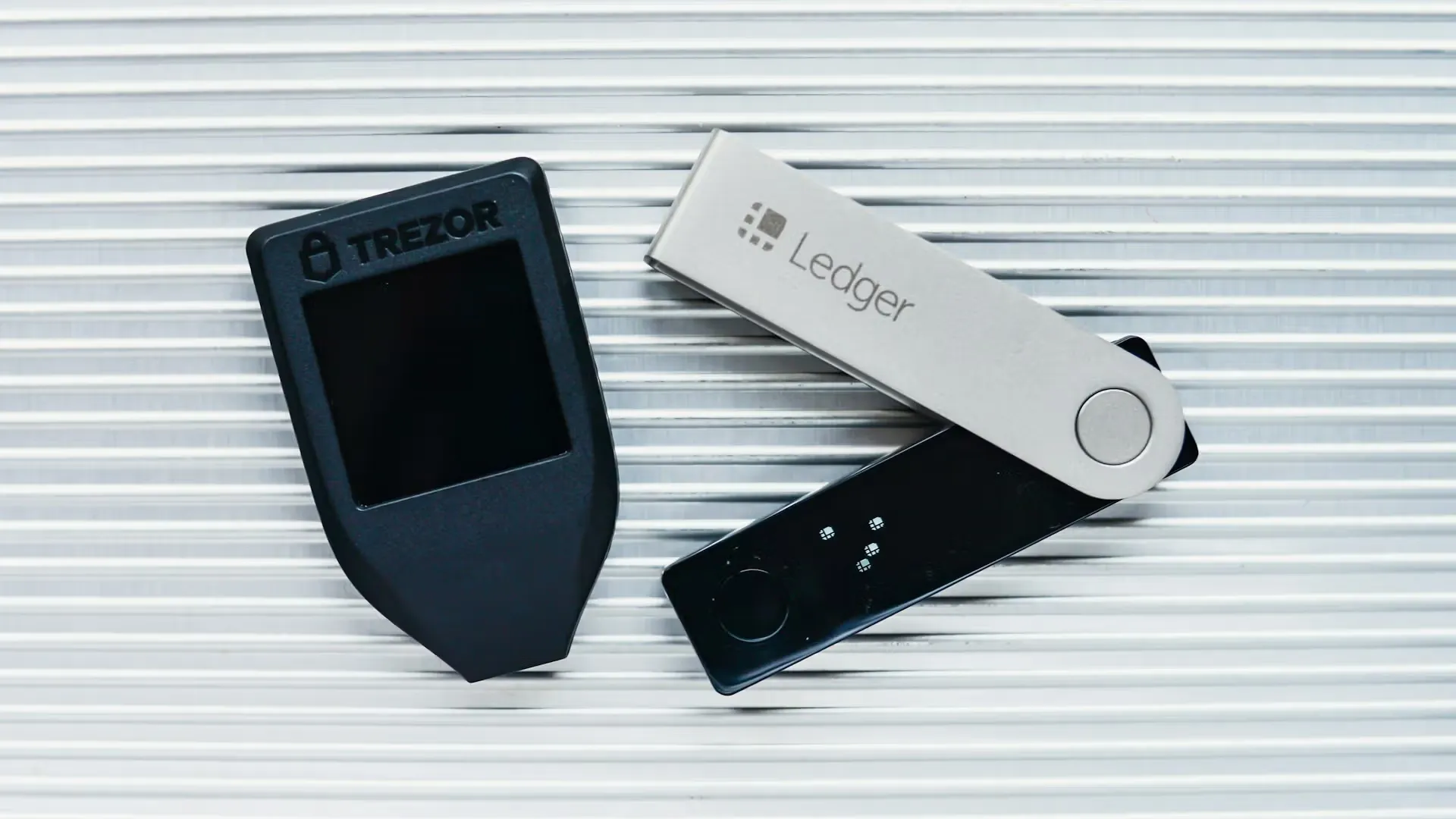
Russian consumers demand for hardware crypto wallets more than doubled in the first half of 2026, according to data from two major retailers, as the country prepares to introduce new crypto rules.
Retailer M.Video said unit sales on its marketplace rose 107% in the second quarter from the first quarter, while sales by value increased 92%. The retailer did not disclose the number of devices sold.
Wildberries, another Russian retailer, also recorded higher demand. Unit sales rose 84% in the first half from a year earlier, RIA Novosti reported, citing RWB, the marketplaces parent company. Sales value increased 60% over the period.
The comparisons cover different periods: M.Video measured Q2 against Q1, while Wildberries compared H1 with the same period of 2025. Neither company released unit totals.
Hardware wallets keep the private keys needed to control crypto on a dedicated device, instead of an internet-connected service, helping reduce exposure risk.
Russian law does not ban non-custodial wallets or treat them as illegal, lawyers told RBC. It does, however, bar withdrawals from Russian digital depositories to personal wallets, though a transition period runs until July 1, 2027.