






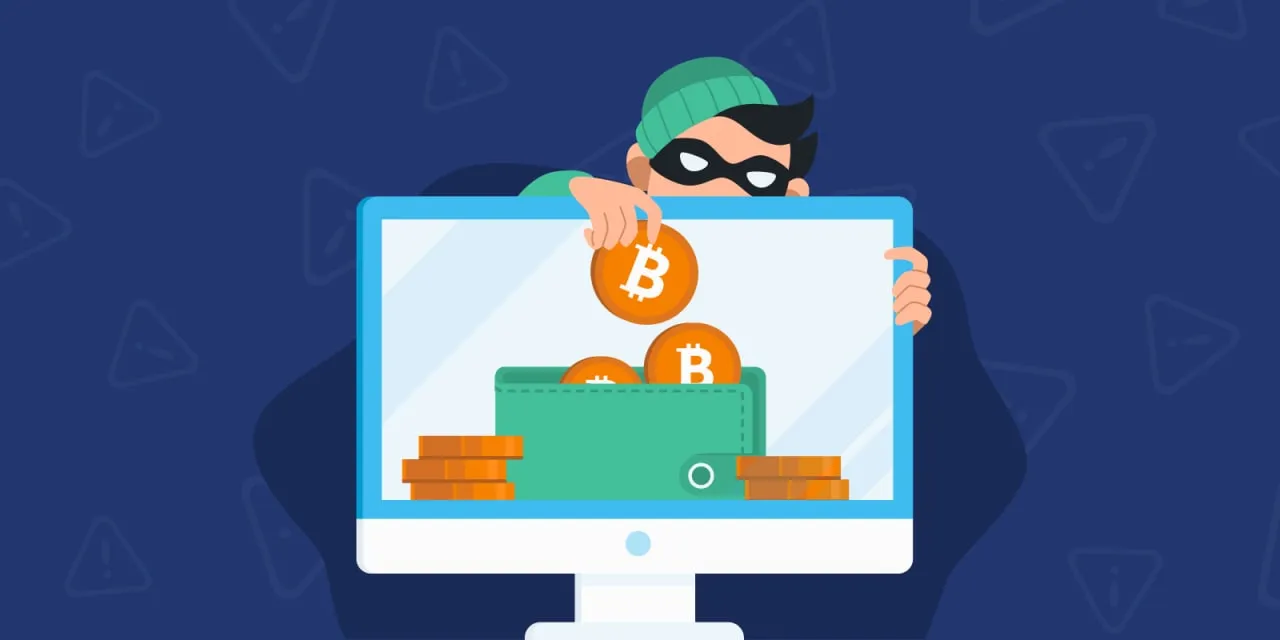
Experts say it is a perfect storm: the combination of unknown and cutting edge currency, making scammers come out of the woodwork.
Paper money? Try computer-generated, digitally encoded signature money. That is cryptocurrency, and it is now number two on the Better Business Bureaus (BBB) riskiest scam report.
It happens within a matter of a couple clicks.
“Because it's coming from your friends, your relative, your brother, you think, 'Oh, is this real? Is this legitimate?' And you look into it a little bit more,” said Rebecca Barr, BBB communications manager.
Its a scam artist's dream—unknown, cutting edge, and unregulated. Using social media and the influence of friends, by hacking social media accounts, scammers target the younger generation by luring them into buying cryptocurrency.
“They get you in contact with an investment guide who's going to tell you how to do it,” Barr explained in a hypothetical situation. “And it only costs an initial upfront investment of, let's say, $500, but you're going to make $5,000. And in most of the reports, we see what we're seeing is you actually do see the investment make a profit and quite rapidly so you're watching your money, or so you think, grow and grow and grow. But when you try to access those funds or you try to withdraw the funds, you are shut out of that account.”
The lack of cryptocurrency regulation has a huge part to play in these scams.
“Just like in this playground, of like money coming and going,” Barr told MTN News. “It's popular because there aren't any rules there. There's no physical money, banks aren't involved. But that's also what makes it so risky because you can't get your money back because it's untraceable.”
So how can we protect ourselves and not fall victim to these scams?
Number one would be to do your research.
Barr said to not only be wary of direct messages or posts on friends' accounts, but to look carefully at email and website addresses. In most cases there will be one letter or number off and that is normally a good indicator that it is a scam. She also says to never pay for products in Bitcon or other forms of cryptocurrency.