






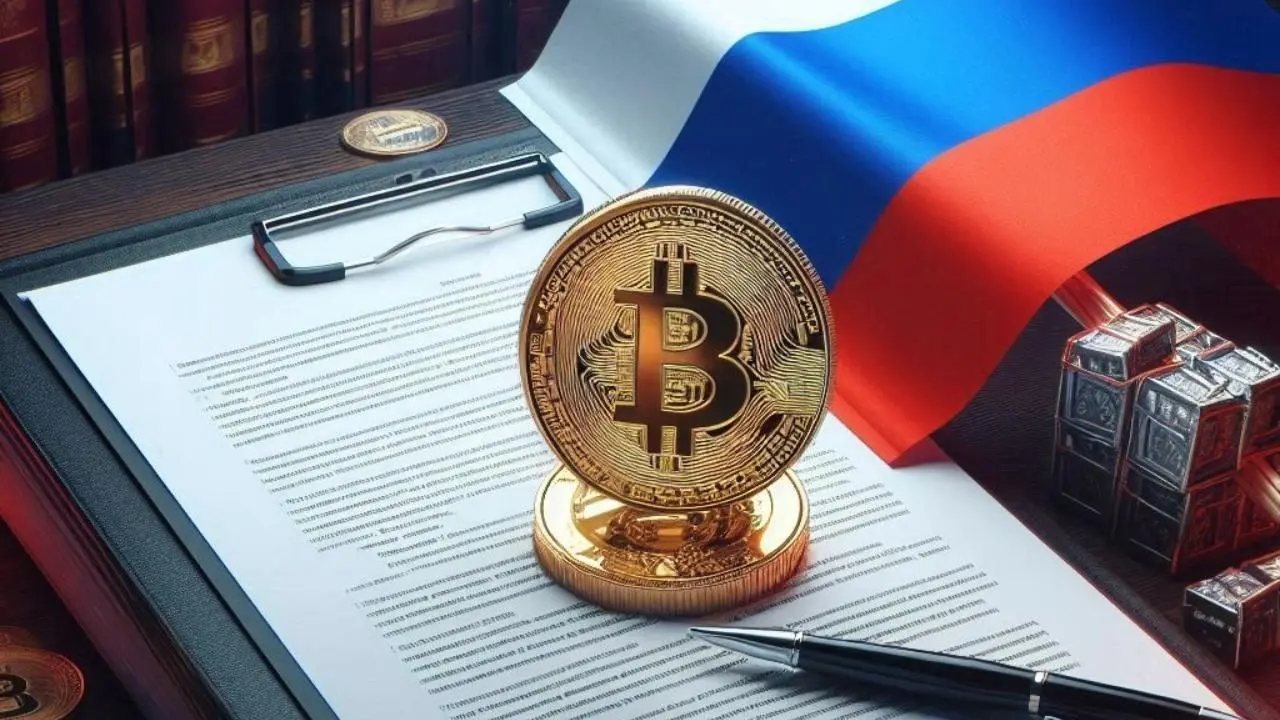
Russia is set to lift its Bitcoin mining ban on November 1, 2024, but this comes with new regulatory requirements. All Bitcoin miners will need to register with Russias Federal Tax Registry and provide details of their equipment models and wallet addresses for government monitoring. This ban, initially imposed in early 2022, primarily targeted large-scale Bitcoin mining operations in Russia, particularly in areas with low electricity costs. The ban aimed to prevent excessive energy consumption and reduce grid strain, especially in economically weaker or energy-scarce regions.
Why is Russia Lifting the Mining Ban?
In mid-October, at the BRICS Business Forum in Moscow, Russia‘s sovereign wealth fund partnered with data center operator BitRiver to establish Bitcoin mining and AI computing facilities within BRICS countries. These regions often have limited IT infrastructure but abundant unused electricity resources. By leveraging Bitcoin mining, Russia can effectively utilize this surplus energy, modernizing infrastructure in these countries while generating economic revenue. This dual-purpose approach not only extends Russia’s international influence but also provides a direct income boost to its treasury.
Geopolitical factors are another reason for lifting the ban. Many countries globally are concerned about U.S. fiscal policies and are looking for ways to bypass them. As highlighted by Sigel in a CNBC interview, “There‘s tremendous urgency outside of the U.S. to find a way to circumvent the irresponsible fiscal policy that we’ve been running in the U.S.” This policy shift could allow Russia and its allies to explore economic independence from the U.S. financial system.
Potential Impact of Lifting the Ban
Lifting the ban may have several effects on Russia and the global Bitcoin market:
1. More Globalized Hashrate Distribution: Currently, much of Bitcoin‘s hashrate is concentrated in the U.S. Russia’s move could decentralize this concentration, benefiting Bitcoins security and stability.
2. Reuse of Older Equipment: In regions with higher energy costs, older mining equipment may no longer be profitable. Russias low electricity rates could provide a second life for these machines, extending their use.
3. Pressure on Electricity Prices: Lifting the ban does not guarantee smooth implementation. With rising electricity costs and a devalued ruble, increased mining activity could further strain local energy prices. The Russian government will need to balance supply and demand carefully to avoid overburdening its energy infrastructure.
4. Support for the Global Market: The entry of new mining players could bring positive market feedback and boost confidence. For BRICS nations, this move may encourage the adoption of Bitcoin as a reserve asset or transaction medium, promoting more diverse economic practices in the region.