







The U.S. July retail sales data exceeded expectations across the board, with the overall retail month-on-month growth rate reaching a new high in a year and a half, although the previous month's data was revised downward for the eighth consecutive month. The release of this data gradually corrected the recession narrative.
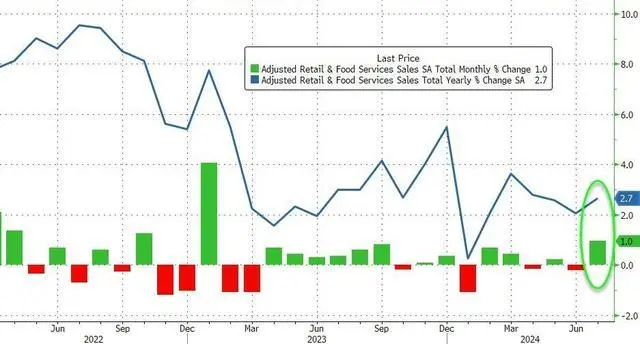
The Dow Jones opened at 40,295.74 points, up 0.72%, the S&P 500 opened at 5,501.13 points, up 0.84%, and the Nasdaq opened at 17,394.55 points, up 1.17%. However, BTC prices plunged. Bitcoin attempted to regain the $60,000 mark but faced strong bearish pressure, dropping to $56,646. More than $1.4 billion in Bitcoin options were set to expire before 8:00 UTC, causing heightened volatility near the $56,000 support level.
Although BTC's price movements have often shown a strong correlation with U.S. equities, certain factors have caused sharp short-term fluctuations in BTC prices.
Selling Pressure
In recent years, governments have seized large amounts of BTC obtained through illegal activities, which could become selling pressure in the market, influencing traders' sentiment.
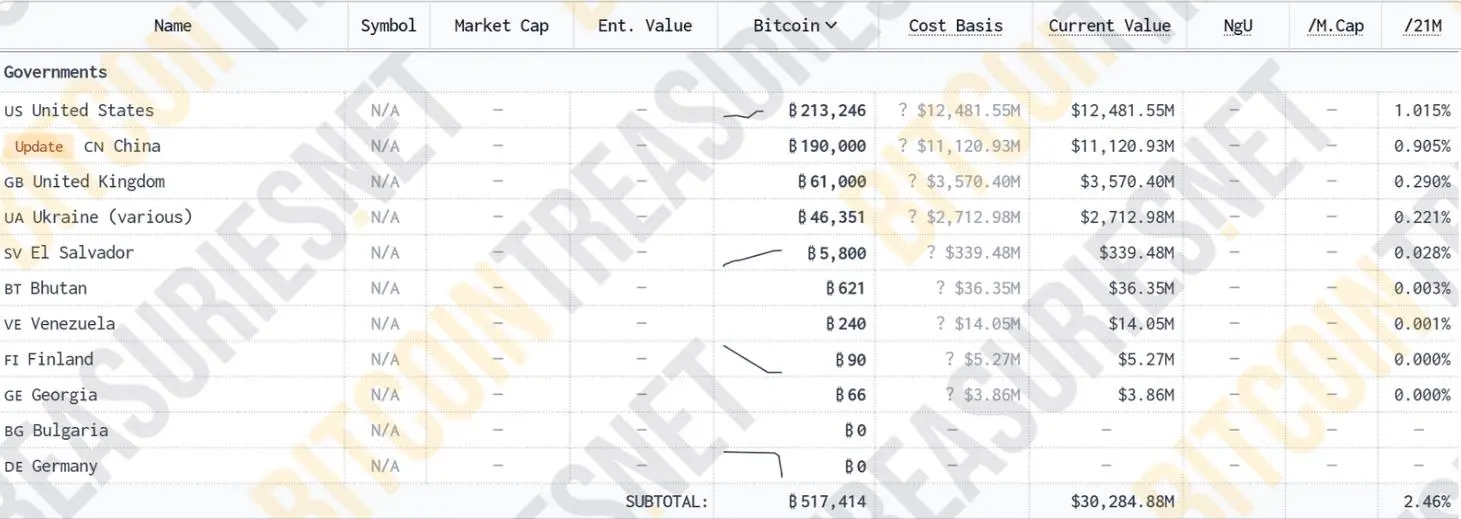
On August 14, blockchain analytics platform Arkham Intelligence detected a new Bitcoin transfer by the U.S. government. According to Arkham's report, the government transferred 10,000 BTC, worth $593.5 million, from assets seized during the Silk Road crackdown.
Movements of on-chain assets, especially transfers to exchanges, are often seen as a signal of selling. This large Bitcoin transfer indeed caught the attention of the cryptocurrency community, sparking speculation about its destination and the potential impact on an already troubled market.
Macroeconomic Factors
Bitcoin's price is influenced by various macroeconomic factors, which impact the Bitcoin market through channels such as monetary policy, inflation, economic uncertainty, global capital flows, and government regulatory policies. Essentially, it is a question of whether there will be incremental capital inflows into the crypto industry in the future.
The U.S. is about to enter a rate-cutting cycle, and when interest rates fall to a certain level, a large influx of capital into the crypto industry may occur. However, in the short term, as data is released, the crypto market's expectations are influenced by the ongoing tug-of-war between recession fears and the strength of the Federal Reserve's rate cuts, which in turn shapes market sentiment.
Conclusion
According to on-chain data, there are currently around 300,000 BTC on centralized exchanges (CEXs). Therefore, the amount of BTC held by governments worldwide is substantial for the actively traded market. Macroeconomic factors also play a significant role. The logic is that news changes expectations, expectations drive sentiment, sentiment influences buying and selling behavior, and these behaviors determine price trends.
While rate cuts could bring incremental capital to the industry in the long term, short-term volatility is influenced by multiple factors. BTC's price will be the result of short-term dynamics as long as U.S. interest rates have not dropped to a certain level.