






Squid has unwrapped a decentralized intent-based liquidity protocol that promises cheaper, faster, and more efficient cross-chain swaps.
The Cross-Chain Order Routing and Auction Layer (CORAL), which went live today, uses a request-for-quote (RFQ) system, enabling users to execute swaps across chains with minimal costs and near-instant finality.
CORALs intents handle swaps natively, unlocking market maker order book pricing similar to CoWSwap. This approach eliminates slippage and ensures optimal execution by directly engaging with liquidity providers during the transaction process.
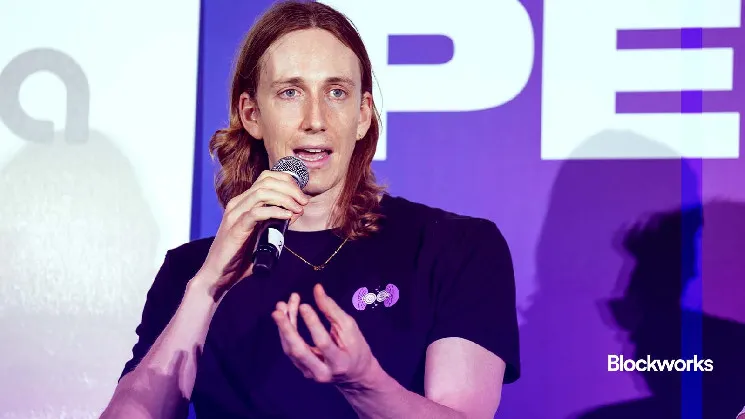
“With CORAL, we‘ve removed the borders between chains [to] allow liquidity to flow with minimal friction,” said Fig, Squid’s co-founder.
The new protocol builds on the successful Squid 2.0 upgrade, which focused on abstracting away complex cross-chain transaction flows with multiple hops.
Read more: Squid sinks its tentacles into cross-chain abstraction
One interesting property of the design is that like a zk rollup, the more transactions come through, the cheaper it becomes for the end user.
Thats because the architecture allows for batching intents, which “saves a significant amount of gas and delivers users the best execution possible for their swaps,” Fig said.
This makes it “the cheapest decentralized intent protocol” on the market, even edging out market leaders like Across Protocol, he said. By reducing the per-order gas overhead, “as you scale, it becomes basically free.”
Across Protocol uses more complex cryptographic batching processes, while CORAL leverages Axelars secure general message-passing protocol. Like Across, this approach pushes all bridge and routing risks to market makers, who handle the backend complexities of asset transfers. Users receive native assets on their destination chain, eliminating the need for wrapped tokens or trust in external validators.
CORALs flexibility goes beyond swaps. It allows developers to build complex DeFi applications using pre- and post-hooks, enabling actions like depositing cross-chain-swapped assets into yield farms with one click.
“I think were on a trajectory to have all the assets on one or two chains,” Fig said. “This tech allows you to hold native assets and not really have to bridge them.”
The protocol is now live on major chains including Ethereum, Arbitrum and Base. Plans to integrate Solana, Sui and Aptos are slated for January, and Cosmos-based chains through IBC later in 2025.
Also on the road map: the ability to aggregate multiple messaging protocols, such as Hyperlane, which will add support for another 40-50 EVM-compatible blockchains. These additions will create a “network of networks,” significantly enhancing interoperability.
Altogether, Squid is positioned as a front-runner in achieving true chain abstraction, where users interact with assets seamlessly, regardless of their originating chains.