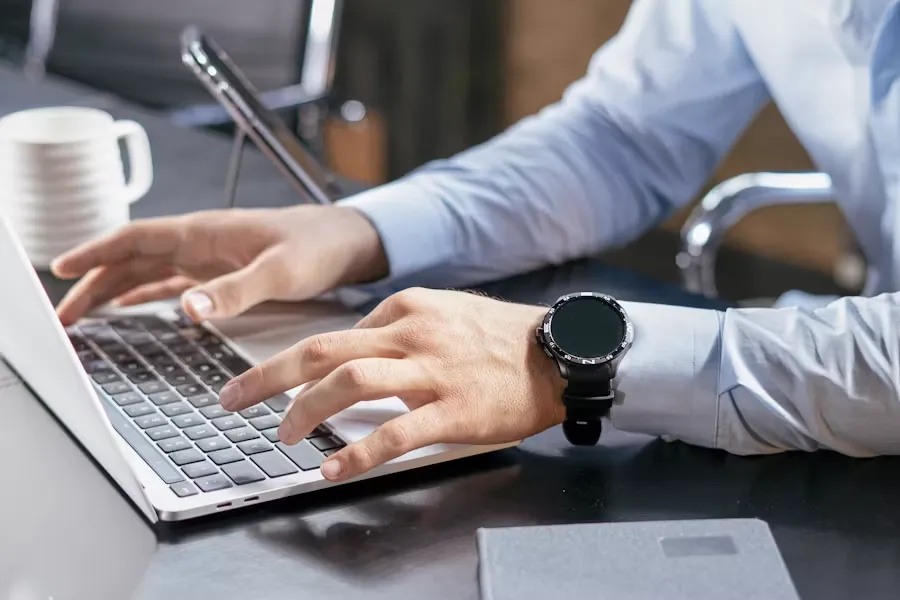
The Best Gaming Laptop to Buy in 2023
Keuangan The Best Gaming Laptop to Buy in 2023 5 menit yang lalu Berita Bitcoin Ethereum In today‘s fast-paced digital world, gaming has taken a front seat for many. Whether you’re a professional gamer, a casual player, or someone who just enjoys the occasional game night, having the right equipment is crucial. And at the heart of this setup is the best gaming laptop. But with so many options on the market, how do you decide which one is right for you? Lets guide you through the process. Understanding the Evolution of Gaming Laptops Gone are the days when gaming laptops were bulky, heavy machines with loud fans and short battery lives. The modern gaming laptop is sleek, portable, and powerful. Manufacturers have risen to the challenge, offering devices that not only deliver top-notch gaming experiences but also serve as efficient work machines. Why the Best Gaming Laptop Matters Imagine being in the middle of an intense game, and your laptop starts to lag or the graphics become choppy. Not the best experience, right? This is why investing in the best gaming laptop is essential. It ensures smooth gameplay, vivid graphics, and an immersive experience. Plus, with the right device, you can multitask, using your laptop for both