






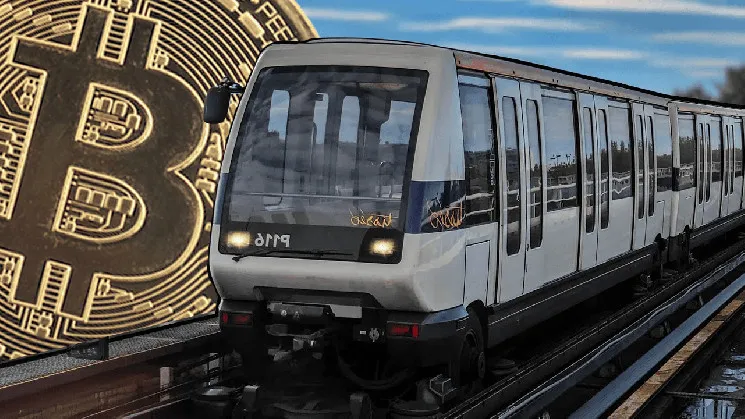
According to several reports, Toulouse became the first city in France to accept bitcoin and other cryptocurrencies for subway and public transport payments starting March 17, 2025, as part of a broader initiative to modernize transit systems.
Europes First: Toulouse Metro Adopts Bitcoin Payments
Toulouses public transport operator, Tisséo, launched cryptocurrency payments for metro, bus, tram, and cable car services on March 17, 2025. The initiative allows users to purchase tickets via the Tisséo mobile app on Android devices, converting bitcoin ( BTC) and over 70 other cryptocurrencies to euros instantly. This shields Tisséo from market volatility while letting passengers use digital assets for fares.
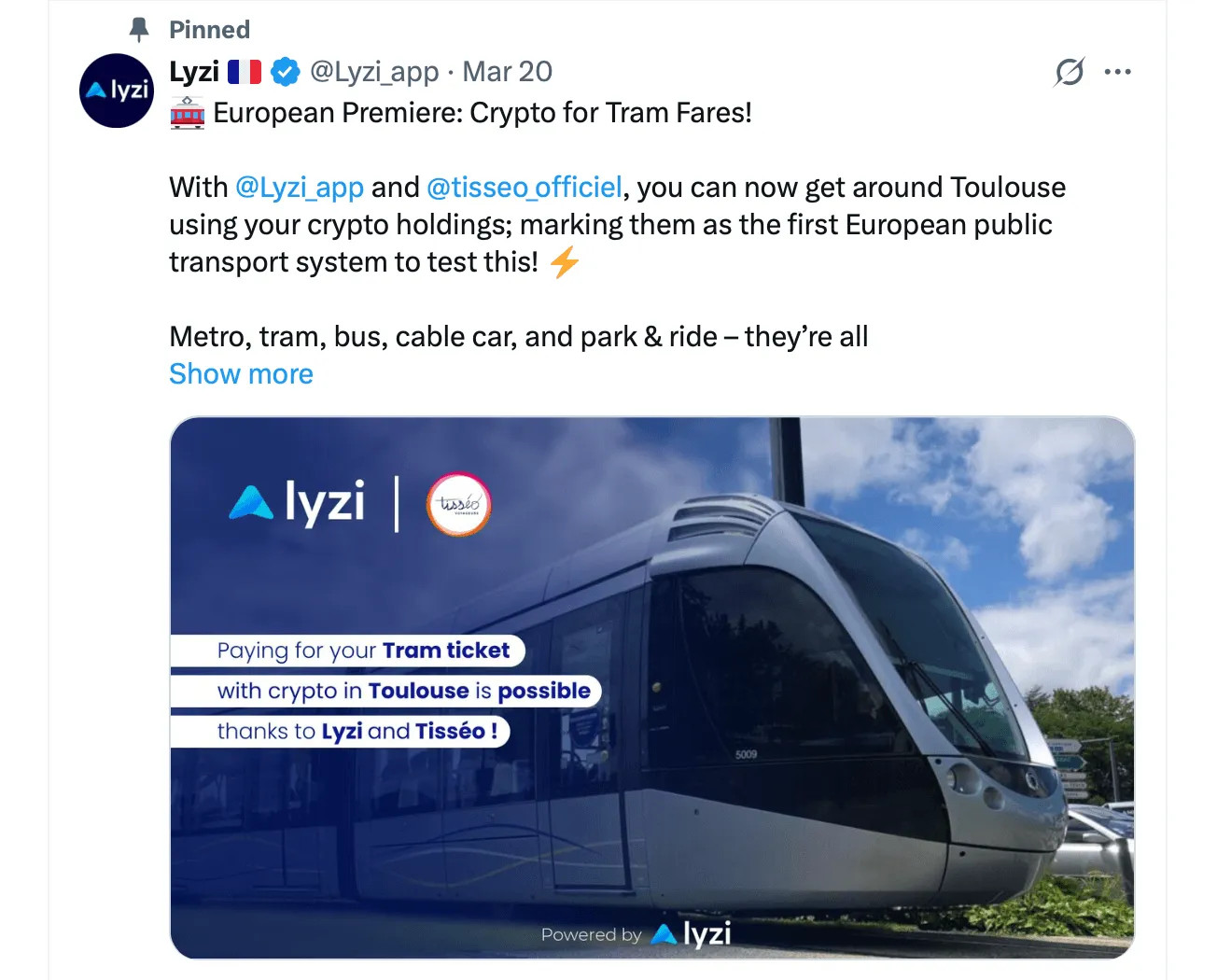
Payments are processed through partnerships with fintech firm Lyzi and the exchange platform Binance. A single ticket costs around 0.000024 BTC (€1.80), with options for multi-ride passes and subscriptions. The system excludes iOS users, which may present accessibility issues.
Accepted cryptocurrencies include bitcoin, ethereum, XRP, solana, and USDT. The move aligns with France‘s growing crypto adoption—18% of residents owned digital assets in 2024, per Gemini research. Tisséo’s finance head, Sacha Briand, cited modernization goals, building on 2023s rollout of credit card payments on buses.
However, users must declare transactions on tax form 3916-bis, complicating small purchases. Price fluctuations during conversion also pose risks. Toulouses model mirrors systems in Argentina, where 37 cities adopted crypto transit payments by 2019, but marks a European first.
Prior French efforts, like bus company Isilines‘ 2016 bitcoin trial, lacked municipal scale. If done right, Toulouse’s success could inspire wider European adoption, though Android exclusivity and problematic tax hurdles will likely slow momentum.
The initiative highlights shifting payment trends and tests crypto‘s viability in public services. As digital currency ownership rises, Toulouse’s experiment may redefine urban mobility—if regulatory and technical challenges are addressed.