






German savings banks are adding crypto trading to their apps through DekaBank, the Sparkassens securities house. Customers can buy and sell five digital assets without leaving their usual banking app.
The rollout places digital assets alongside everyday banking for customers who have never traded crypto. However, it comes with unique risks as assets are not covered by statutory deposit insurance.
Sponsored

Sponsored
How Sparkasse Customers Can Trade Crypto
Custody is the safekeeping of digital assets for customers, with a provider controlling the private keys that secure them. In this offer, DekaBank holds the assets centrally for its customers.
The offer covers five coins: Bitcoin, Ethereum, XRP, Solana, and Polygon. It is designed for self-directed investors, and no advice is given inside the Sparkasse.
For each trade, DekaBank provides a binding price that it guarantees for a limited time. Trading is not tied to fixed exchange hours, although maintenance windows and market disruptions can restrict access.
Customers can buy and sell the listed coins independently whenever the system is available.
More than 230 savings banks have reportedly expressed interest, while five are participating so far, and customer service is open Monday to Thursday from 8:00 to 18:00 and Friday until 17:00.
Sponsored
Sponsored
Are the Risks Worth Considering?
Chainalysis 2026 Global Crypto Adoption Index places Germany 13th overall, which makes German users a meaningful part of the market.
For Germany, the Sparkasse rollout gives those users a familiar channel for trading.
Crypto assets are not covered by statutory deposit insurance, and prices can swing sharply enough to cause a total loss. DekaBank also warns that trades may be delayed or unavailable at the desired time or price.
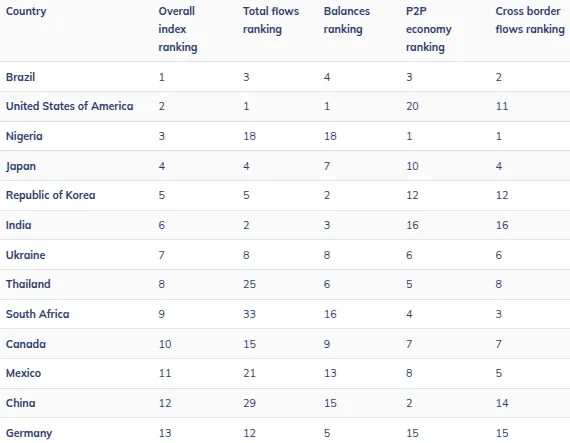
Top Countries by Crypto Adoption. Source: Chainalysis
Custody works differently from a bank deposit. Private keys sit in trust in a jointly managed Omnibus wallet, and withdrawals go only to approved crypto-asset providers.
Taxes add another layer. Under current rules, private gains from crypto sales fall under a €1,000 annual exemption threshold. Tax treatment depends on personal circumstances and may change.
The offer may draw more attention as additional banks join, although the current list of participants remains small.