






September has historically been predominantly weak month for the meme coin.
July and August have been quite successful for the self-proclaimed Dogecoin killer, with its price closing both months in the green.
Nonetheless, certain important elements suggest that September may not be as beneficial and could deliver a move south.
The Worrying Signals
The first concerning element on the list is Shiba Inus burn rate, which has declined by 6% on a monthly scale. Data shows that less than 600 million tokens have been sent to a null address throughout August, an amount whose USD equivalent is negligible.
The burning mechanism aims to reduce the overall supply of the meme coin and potentially make it more valuable, but little to no activity on that front poses a serious obstacle to that mission.
Next is Shibariums stalled activity. The layer-2 scaling solution was exploited last year, and since then, the number of processed daily transactions has dropped to mere hundreds or even thousands (at most).
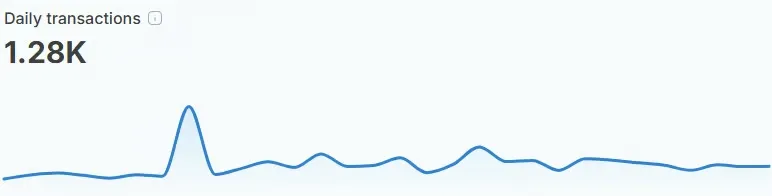

Shibarium Transactions, Source: shibariumscan.io
The feature has been labeled numerous times as important for the overall advancement of Shiba Inus ecosystem and something that can positively impact its price.
Last but not least, we shall mention the seasonal element. September has been a predominantly poor month for SHIB, with its price finishing the period in the red three out of five times. In 2022, July and August were green (just like this year), yet the following month stopped the uptrend. We have yet to see whether history will repeat itself.
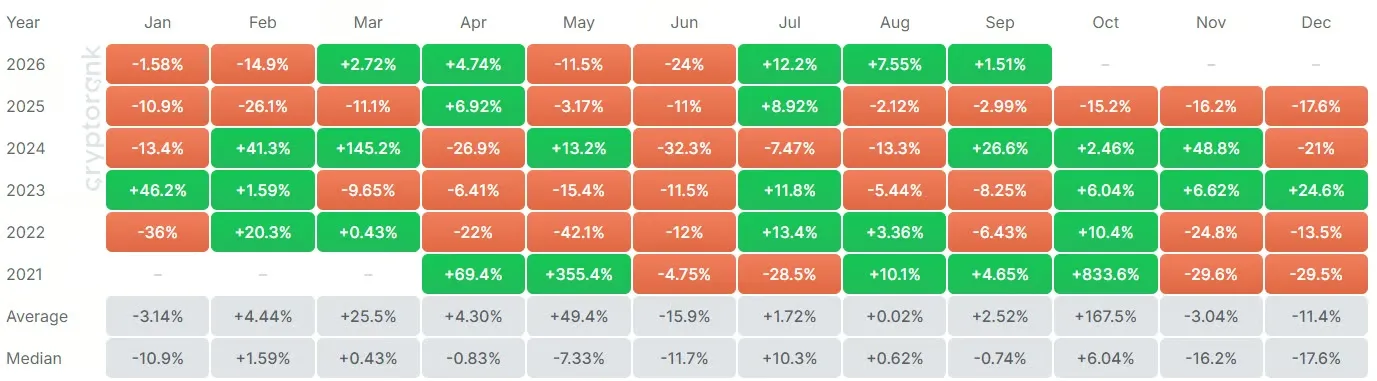
SHIB Monthly Returns, Source: CryptoRankThe Bright Side
Not all aspects suggest that the meme coin could experience a downtrend in the coming weeks.
According to CryptoQuant, the amount of SHIB held on exchanges has declined over the past month, signaling that investors continue to abandon centralized platforms in favor of self-custody. This, in turn, reduces immediate selling pressure and could set the stage for a potential additional price ascent.