






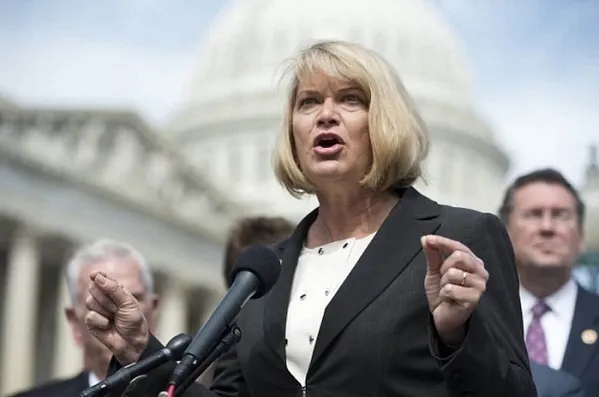
U.S. Senator Cynthia Lummis took to the Senate floor on Wednesday to explain her views on a prospective U.S. central bank digital currency.
Highlighting the role of a CBDC in the next era of finance, Lummis said: “Americas leadership in global financial services is a heritage our country can rightly be proud of.”
The Wyoming senator went on to outline a vision for a CBDC that is a direct debt instrument with the Federal Reserve, as opposed to stablecoins, which are a claim on commercial bank money or other assets. She was especially concerned with the importance of programmability, which she highlighted as a key distinction between existing digitized versions of the dollar and a true CBDC.
“Programmability focuses on the characteristics of money, including the identity of the owner, the amount of money being transferred and the conditions in which the outside world can interact with that money,” Lummis explained. She further insisted on the importance of continued privacy, saying: “We cannot allow a CBDC to become a panopticon.”
These concerns have cropped up often in discussions of a CBDC, but this is the first time a Senator has spoken at length on a positive vision for such a development on the shared Senate floor.
A digital dollar has been the subject of a great deal of interest, especially in light of a coming report from the Federal Reserve, which Lummis mentioned as background to her remarks.
Lummis also brought up private stablecoins. Legislators and regulators, including at the Fed, have taken to presenting CBDCs and private stablecoins as likely to operate in contention. Lummis denied the comparison to “wildcat banks” of the 19th century — a comparison that Securities and Exchange Commission Chairman Gary Gensler made at a hearing before the Senate Banking Committee in mid-September. She did, however, say:
“Stablecoins also present certain novel risks to the united states economy. In particular, stablecoins should be 100% backed by cash or cash equivalents and should be audited regularly.”
For more blockchain news, please download WikiBit- the Global Blockchain Regulatory Inquiry APP.