






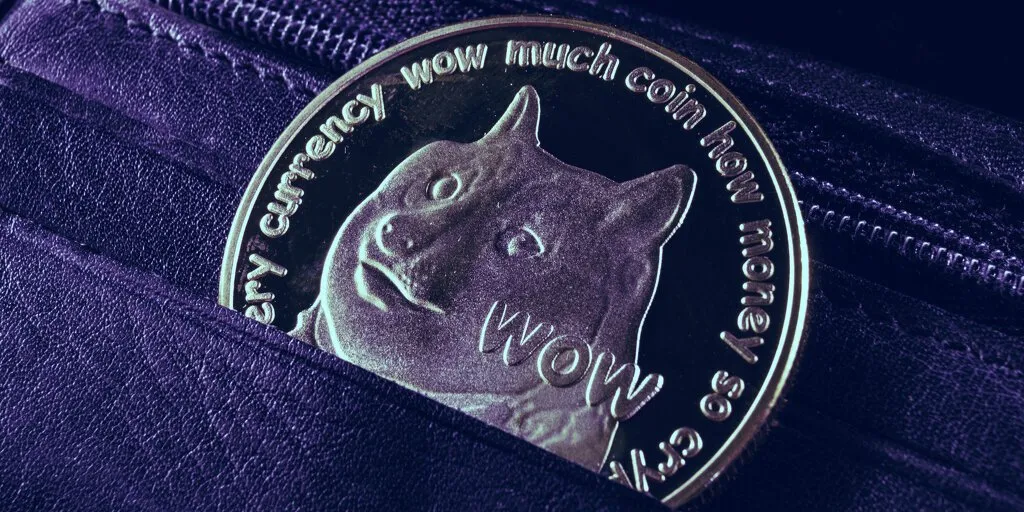
One of the largest peer-to-peer cryptocurrency marketplaces, LocalBitcoins, has expanded its portfolio of available payment methods with the inclusion of Cardano (ADA), Dogecoin (ADA), Polkadot (DOT), Chainlink (LINK), and more.
LocalBitcoins Adds More Crypto Payment Methods
Founded in 2012, LocalBitcoins acts like a cryptocurrency peer-to-peer marketplace. The platform, based in Helsinki, Finland, facilitates over-the-counter trading of local currency for bitcoins and, from recently – other digital assets.
The company announced the addition of several new virtual assets. Namely, those include the two most widely utilized stablecoins – Tether (USDT) and USD Coin (USDC) and some of the most popular tokens lately – Polkadot (DOT), Cardano (ADA), Bitcoin Cash (BCH), Chainlink (LINK), and Dogecoin (DOGE).
The firms statement outlined the significant demand for these coins coming from users.
“You asked, we delivered! Some highly anticipated altcoins have now been added as payment methods!”
Additionally, LocalBitcoins has added new payment processors, including PaySera, PAYSEND, Vodafone Cash, Airtel Money, and more.
$136K Stolen From a Scam on LocalBitcoins
Being a P2P crypto marketplace, LocalBitcoins has become largely popular in countries with struggling economies that lack adequate payment methods. One of them is Venezuela, as the BTC trading volume on the platform has been among the highest for consecutive years.
However, the growing interest and use cases also attract bad actors. According to a recent report, the Venezuelan Scientific, Criminal, and Criminal Investigation Corps (CICPC) have arrested two men who allegedly orchestrated a cryptocurrency theft worth $136,000 through the P2P platform.
The post claimed that the perpetrators stole the funds from 36 victims. The two men, Alan Renier Amora Blanco (30) and Guillermo Alberto Bello Mendoza (28), were detained in the El Paso region.
The authorities failed to inform how long the scheme was operational. However, CICPCs Director, Douglas Rico, explained the nature of the scam, in which the perpetrators promised high returns on a new and hot digital asset that the victims had to purchase from their legal accounts. After executing the payments, though, the criminal cut off all communications.