






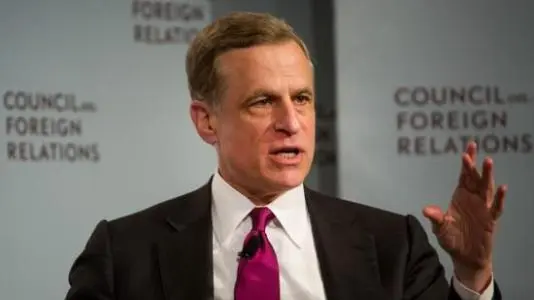
Rob Kaplan, the president and chief executive officer of the Federal Reserve Bank of Dallas will step down from his position after more than six years.
In a Sept. 27 announcement, the Dallas Fed said Kaplan, its 13th president and CEO, would be retiring beginning Oct. 8. The 64-year-old cited recent attention to his “financial disclosure risks” in his decision to step down, likely referring to news outlets reporting that he had traded stocks in companies including Apple, Alibaba, Amazon, Facebook, Google and Tesla in 2020 while casting his vote on U.S. monetary policy.
The Dallas Fed president has denied any allegations of impropriety, saying he “adhered to all Federal Reserve ethical standards and policies.” He added his “securities investing activities and disclosures met Bank compliance rules and standards.”
Kaplan was also an advocate for the U.S. developing a central bank digital currency, or CBDC, as part of the countrys economy and fiscal policy. At a November 2020 virtual conference, the president said “it is critical that the Fed focuses on developing a digital currency in the coming months and years.”
On the national stage, Fed chair Jerome Powell said the government agency was still undecided on a digital dollar, but planned to issue a discussion paper on the subject. Powell has often said it is more important “to get it right than it is to be first” when it comes to rolling out a CBDC in the United States.
For more blockchain news, please download WikiBit- the Global Blockchain Regulatory Inquiry APP.