






This is a segment from the Empire newsletter. To read full editions, subscribe.
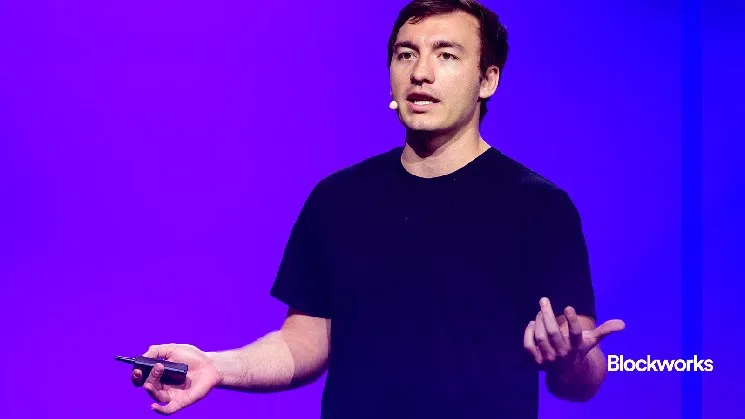
Were thinking about stablecoin classification all wrong, Agora CEO Nick van Eck told me.
Its easy to lump all of the stablecoins into one single bucket, but the reality is that the offerings are quickly becoming more unique and different as the space matures.
A lot of stablecoins are “very different, and have very different user profiles,” which means they “ultimately dont even end up competing.”
“Someone who is looking to use USDe as a form of collateral is 95% of the time probably not the same user of AUSD or USDC. Maybe they‘ll use it for trading, but [if]… you want to buy a treasury bill or a treasury bond, you don’t buy a corporate bond, right?”
You have centralized high-trust stablecoins, which include Agora or Circle. Then theres centralized opaque, which would be Tether. The difference between the two is the amount of transparency offered, but both categories are focused on the global monetary network perspective.
Another is “centralized captive distribution,” which includes gaming companies or banks like Bank of America (CEO Brian Moynihan previously teased that the banks interested in such an offering). The idea here is that companies in this category are more interested in keeping their stablecoin offering within their business rather than expanding globally, van Eck explained.
The fourth and final one is decentralized stablecoins. This broader category captures the likes of Ethena, which van Eck praised as a “very good operator,” and some of the more experimental forays into stablecoins.
Agoras customer base, van Eck noted, is usually made up of folks just coming into crypto, not more seasoned people who want to make a return on their collateral.
The team aims to create a global stablecoin network.
“We see a world where AUSD is traded on every single exchange and has global liquidity,” he told me. This opens the door for folks to build on top of Agora and “tap into our tooling and cross-chain infrastructure, our centralized exchange infrastructure, our FX on and off ramps.”
As lawmakers mull and vote on stablecoin legislation, van Eck is excited about what it means for the space. While he told me never say never when it comes to yield-bearing stablecoins — thats not going to be a priority for Agora.
“From day one, I was very much expecting that the US government and the SEC would not allow interest-bearing stablecoins, which is why we designed our model as one-to-one, where we just share underlying economics with the businesses, versus it being natively yield-bearing.”
No skin off of Agora‘s back, especially since it seems lawmakers aren’t too keen on yield-bearing stablecoins, either.